


Table of Contents
- 1. Contact Your Rescue Coordinator Immediately
- 2. Safely Secure the Kitten’s Body
- 3. Isolate the Remaining Littermates
- 4. Deep Clean and Disinfect the Foster Area
- 5. Allow Yourself Grace and Time to Grieve
- Honoring Their Short Lives: Moving Forward With Compassion
- Frequently Asked Questions About Losing a Foster Kitten
Fostering neonatal kittens is a profound act of love, but it also places us directly on the fragile line between life and death. If you have just lost a kitten, please take a deep breath and know that you are not alone.
In rescue and rehabilitation, we frequently confront the heartbreaking reality that despite our warmest pet heating pads and sleepless nights, some fragile souls are simply too weak to survive.
In this difficult moment, your grief is valid, but you must take immediate, practical steps to protect the rest of your foster family. As guardians of these vulnerable creatures, we must pivot from grieving caretakers to scientific protectors.
This means safely handling the kitten’s body and documenting the timeline of symptoms. Additionally, you must isolate the remaining littermates and use Rescue Veterinary Disinfectant to prevent the spread of infectious diseases.
Every loss in animal welfare is a painful lesson that equips us to save the next life. By understanding the essential protocols of post-mortem care and veterinary communication, you turn your heartbreak into vital advocacy.
Your dedication to these tiny lives is a testament to human compassion. Your resolve to learn from this loss is what makes you an invaluable champion for animal welfare.
The Compassionate Care Summary
- Reach out to your rescue coordinator immediately; they are your lifeline and will guide you through the necessary next steps with empathy and expertise.
- Carefully document and share the kitten’s final symptoms and the health status of their siblings to help veterinary teams prevent the spread of potential illness.
- Respectfully follow your shelter’s specific protocols regarding the kitten’s remains, always securing permission before taking any action.
- Give yourself grace and remember that neonatal fragility is a tragic biological reality, not a reflection of your profound love and dedication.
1. Contact Your Rescue Coordinator Immediately

When the unthinkable happens and a fragile kitten takes its final breath, panic and profound sadness usually set in.
As a foster guardian, your very first instinct might be to retreat or mourn in isolation. However, you must contact your rescue coordinator or shelter representative right away.
View Pet Memorial Candle on AmazonThese dedicated professionals understand just how delicate neonatal kittens are. Fading kitten syndrome can claim tiny lives with heartbreaking speed, even under the most diligent and loving care. Your coordinator has guided many volunteers through this exact tragedy and is there to offer immediate support.
Losing a foster kitten is a reflection of its fragile biology, never a reflection of the boundless love and care you provided.
Your rescue organization needs to know about the passing immediately for critical operational and medical reasons. They will guide you through the next physical steps. These steps almost always depend on local health regulations and specific shelter protocols.
When you make the call, please be prepared to share specific details about the kitten’s final hours. This information helps the veterinary team identify potential contagious diseases or underlying genetic issues. Please clearly communicate these details to your coordinator.
- Time of passing: Note the approximate time you discovered the kitten had passed.
- Recent symptoms: Mention any sudden lethargy, temperature drops, or changes in breathing.
- Sibling status: Report on the current health, weight, and activity levels of any surviving littermates.
It is important to remember that orphaned kittens are extremely vulnerable. Despite providing the best possible care, a percentage of these fragile babies will not survive. This is a difficult but realistic part of kitten rescue.
Susan Spaulding, The National Kitten Coalition
Depending on the organization, your coordinator will explain how to handle the kitten’s remains carefully and respectfully. They might ask you to bring the kitten to their clinic for a necropsy to protect the rest of the litter.
You must never bury or dispose of the remains without explicit permission from the rescue, which is the animal’s legal guardian.
| Immediate Actions to Take | What to Avoid Doing |
|---|---|
| ✅ Call your rescue’s emergency contact line | ❌ Waiting until the next morning to report it |
| ✅ Separate the remaining littermates | ❌ Assuming the siblings are completely healthy |
| ✅ Document any recent vomiting or diarrhea | ❌ Burying the remains without shelter approval |
| ✅ Allow yourself space to grieve | ❌ Blaming yourself for a biological failure |
Just like navigating guilt when an animal placement feels overwhelming, losing a foster pet can make you unfairly question your abilities. Your coordinator is there to remind you that your home provided warmth and comfort in the kitten’s final moments.
Follow your shelter’s instructions precisely regarding veterinary follow-ups and environmental cleaning. Their immediate priority is supporting you emotionally while safeguarding the health of the remaining rescue animals in your care.
First Response: Contacting Your Rescue Team
- Notify your rescue coordinator immediately so they can provide urgent medical guidance and emotional support.
- Be prepared to share critical details regarding the kitten’s final hours, including symptom changes and the health status of surviving littermates.
- Strictly follow the shelter’s instructions for handling the kitten’s remains and never bury them without explicit legal permission.
- Remember that fading kitten syndrome is a tragic reality of their fragile biology, not a reflection of your dedication or care.
📢 The National Kitten Coalition
National
Educational NGO: An organization dedicated to reducing kitten mortality through education and specialized training for rescues.
- Specializes in Fading Kitten Syndrome protocols
- Provides veterinary-reviewed resources for neonatal care
- Offers training for shelter staff and foster volunteers
Immediately
Contact your rescue coordinator or shelter representative
Do not isolate yourself; seek professional guidance.
First 15 Minutes
Document specific details of the passing
Include time of discovery and recent symptoms.
Same Hour
Assess surviving littermates
Report weight, activity levels, and symptoms of siblings.
2. Safely Secure the Kitten’s Body
Handling a deceased foster kitten is deeply upsetting for any dedicated caregiver. However, taking practical steps immediately is vital for both health and safety.
You must secure the body carefully to protect yourself and any remaining littermates from potential infectious diseases.
If the kitten belonged to a larger litter, the rescue organization might request a necropsy. This animal autopsy helps veterinarians determine the exact cause of death.
Knowing why the kitten passed can provide life-saving treatment insights for surviving littermates.
When dealing with suspected infectious diseases like panleukopenia, preserving the body properly is critical. Refrigeration, rather than freezing, ensures that tissues remain viable for necessary diagnostic testing.
Dr. Sandra Newbury, UW Shelter Medicine Program
🩺 UW Shelter Medicine Program
National
Academic & Research Institution: A university-led program focused on advancing the health and management of shelter animals.
- Leads research in Feline Panleukopenia diagnosis
- Provides guidelines for infectious disease management
- Part of the University of Wisconsin-Madison School of Veterinary Medicine
Step-by-Step Handling Procedures

Before you begin, gather a pair of disposable gloves, a clean towel, and a secure container.
Contagious illnesses like upper respiratory infections can linger on surfaces and skin. Minimizing direct contact is just as crucial here as it is when handling injured wildlife or unfamiliar shelter animals.
- Wear Protective Gloves: Always wear disposable gloves to prevent the spread of unseen pathogens to other areas of your home.
- Wrap with Compassion: Gently swaddle the kitten in a clean pee pad or a small fleece blanket. This contains any fluids while treating the animal with the dignity they deserve.
- Use a Secure Container: Place the wrapped body inside a small cardboard box or a sealable plastic container. Ensure the lid is firmly closed to keep other curious household pets away.
- Refrigerate, Never Freeze: If you cannot immediately transport the kitten to your rescue facility, place the container in a cool environment like a refrigerator. Freezing the body damages delicate tissues and makes an accurate necropsy impossible.
Once the kitten is safely secured, thoroughly wash your hands with antibacterial soap and warm water.
You must also sanitize the incubator or enclosure where the kitten passed away, using a pet-safe, veterinary-grade disinfectant. This precaution ensures your home remains a safe sanctuary for future foster animals.
Handling a deceased foster pet requires unimaginable strength, but these careful steps are a final act of deep compassion and protection.
Take a moment to breathe after completing these tasks. Transitioning from active caregiving to managing aftercare is emotionally jarring. Give yourself grace as you navigate the immediate aftermath of this loss.
Compassionate and Safe Handling Procedures
- Always wear disposable gloves to prevent the spread of potential pathogens to other pets and areas of your home.
- Gently wrap the kitten in a clean pad or blanket and place them in a secure container away from other household animals.
- If a necropsy is required, refrigerate the body instead of freezing it to preserve delicate tissues for accurate diagnostic testing.
- Thoroughly sanitize the enclosure with a veterinary-grade disinfectant and wash your hands to protect remaining and future fosters.
Preparation
Don disposable gloves and gather supplies
This prevents the spread of pathogens to your home.
Wrapping
Swaddle the kitten in a clean pad or blanket
This treats the remains with dignity while containing fluids.
Securing
Place in a sealed container or box
This keeps other household pets away.
Storage
Refrigerate, do not freeze
Freezing damages tissue needed for necropsy.

Meet Oats!
Oats is a highly social seven-week-old domestic shorthair kitten who is great with kids, dogs, and other cats.
Adopt Me3. Isolate the Remaining Littermates
Losing a foster kitten is heartbreaking, but your immediate priority must be protecting the health of the surviving siblings. Since the cause of a sudden passing is often initially unknown, you should assume a contagious illness is at play.
Kittens possess incredibly fragile immune systems, making them highly susceptible to rapid viral transmission.
Immediately move the surviving littermates to a completely separate room or specialized enclosure. This new space must be fully sanitized and located as far away from other household animals as possible.
Never reuse any bedding, soft toys, or food bowls from the previous environment. All items must undergo a deep, veterinary-grade disinfection before they can be used again.
Strict isolation of sick animals and their exposed littermates is the cornerstone of infectious disease control in a shelter or foster environment.
Dr. Cynthia Karsten, UC Davis Koret Shelter Medicine Program
Implementing a strict quarantine requires meticulous attention to detail to ensure no pathogens travel between rooms. Follow these essential safety guidelines to create a secure isolation ward for the remaining litter:
- Relocate the Survivors: Place them in a fresh, sterilized environment like a dedicated playpen or specialized incubator immediately.
- Sanitize Everything: Use a proven veterinary-grade disinfectant that effectively eliminates stubborn viruses to wipe down all hard surfaces.
- Implement Strict Hygiene: Wash your hands thoroughly and change your clothing entirely between handling the isolated kittens and interacting with any other animals.
- Use Dedicated Supplies: Assign specific feeding syringes, litter boxes, and heating discs exclusively to the quarantine area so absolutely nothing is shared.
🩺 UC Davis Koret Shelter Medicine Program
National
Academic & Research Institution: A premier research program providing evidence-based tools for shelter population health.
- Expertise in infectious disease control for shelters
- Develops protocols for strict animal isolation
- Offers comprehensive resources for feline infectious health
Immediate
Relocate survivors to a sterile environment
Use a fresh playpen or specialized incubator.
Cleaning Phase
Sanitize surfaces with veterinary disinfectant
Focus on areas the deceased kitten touched.
Hygiene Setup
Implement strict personal hygiene barriers
Change clothes and wash hands before seeing other pets.
Long-term Monitoring
Record daily weights and behavior notes
This is essential data for the veterinary team.
Monitor the Surviving Kittens Closely
Once the surviving littermates are secured in their quarantine space, your role shifts to intense and continuous observation. Watch closely for subtle behavioral changes, drops in appetite, or fluctuations in body temperature.
A foster kitten that suddenly stops nursing, becomes noticeably lethargic, or feels unusually cool to the touch requires immediate veterinary intervention.
If you are serving as a foster guardian, you likely already understand the importance of strict sanitary protocols to protect vulnerable populations. Similar to learning what to wear to animal shelter volunteer orientation for basic safety, wearing dedicated protective clothing in your home prevents dangerous cross-contamination.
Consider keeping a separate oversized shirt and pair of slippers exclusively for entering this isolation room.
In animal rescue, swift isolation is not just a basic precaution; it is the absolute most powerful tool you have to protect the rest of the vulnerable litter.
Continue keeping detailed notes on the weight, eating habits, and bathroom activities of the surviving siblings. Sharing this precise data with your veterinarian or rescue coordinator will help them make rapid, informed decisions about the litter’s ongoing care.
Protect the Pack: Essential Isolation Steps
- Immediately relocate surviving kittens to a completely separate and fully sterilized environment.
- Treat the situation as highly contagious by thoroughly disinfecting all surfaces and assigning dedicated supplies to the quarantine area.
- Practice strict hygiene by washing hands and changing clothes between handling isolated kittens and other pets.
- Closely monitor remaining littermates for signs of lethargy, appetite loss, or temperature changes, seeking immediate vet care if needed.
4. Deep Clean and Disinfect the Foster Area
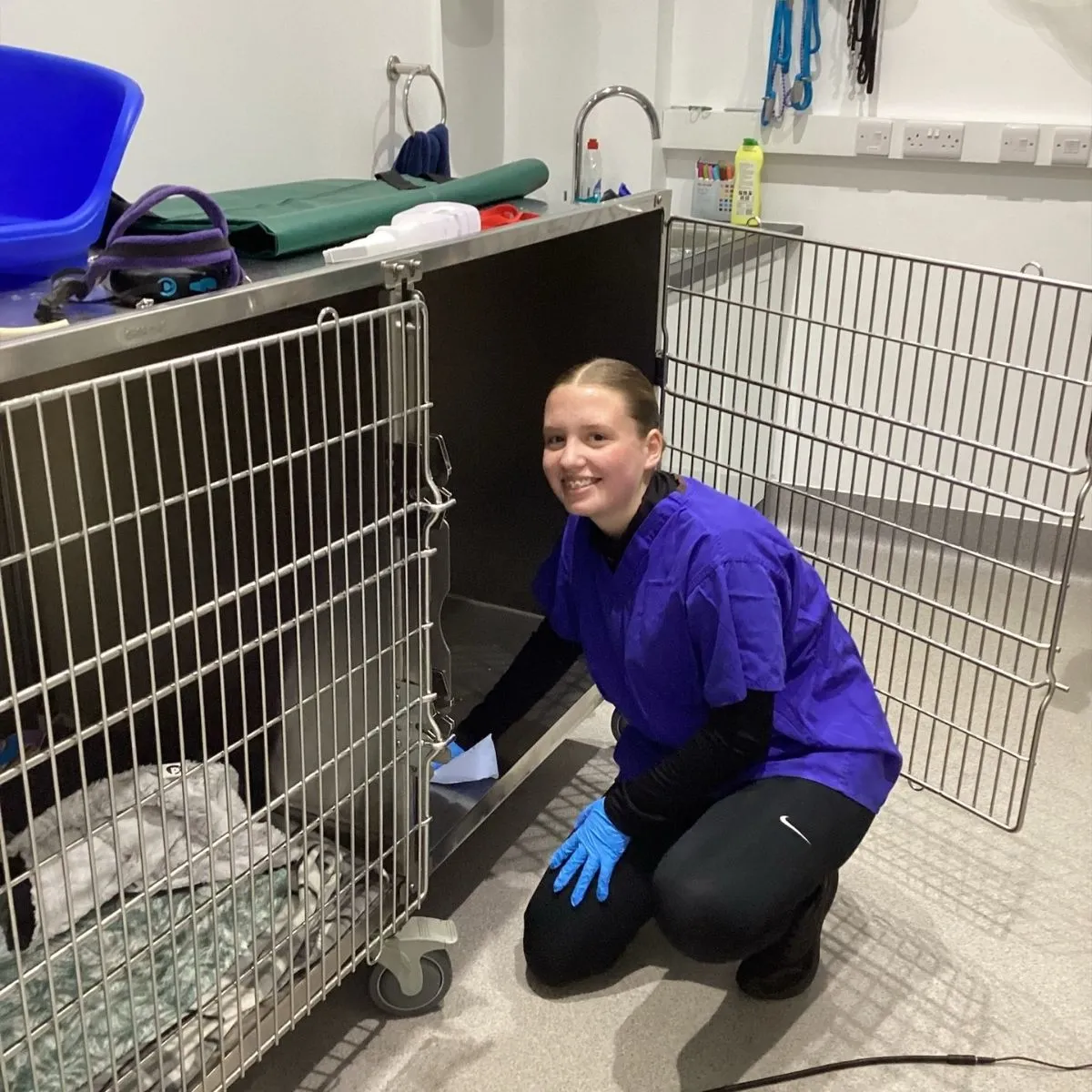
Losing a fragile life is utterly heartbreaking, but you must channel that grief into protecting the next vulnerable soul.
When a foster kitten passes away, their immediate environment becomes a potential biohazard. You must ensure the space is completely safe before bringing any new animals into your home.
Many fatal feline illnesses, such as panleukopenia or severe upper respiratory infections, shed highly contagious viral particles. These microscopic pathogens can survive on hard surfaces and fabrics for months if left untreated. Proper disinfection is a non-negotiable step in the rescue and foster process.
Cleaning an empty foster room is an act of quiet heartbreak, but it is also the first vital step in preparing to save another life.
The Two-Step Disinfection Protocol

Proper sanitization requires a deliberate two-step approach to be truly effective. You cannot simply spray disinfectant on a dirty surface and expect it to neutralize dangerous pathogens.
First, you must physically remove all organic matter, including feces, spilled food, and loose fur.
Wash the entire area thoroughly with hot water and a standard detergent to clear away this debris. Scrub the floors, the walls of the enclosure, and any hard plastic toys or litter boxes. Only when the surface is visibly clean can you move on to the actual disinfection phase.
Once the area is pre-cleaned, apply a veterinary-grade disinfectant to all surfaces. Accelerated hydrogen peroxide or a properly diluted bleach solution is the gold standard for eradicating stubborn viruses. Allow the solution to sit for the required contact time listed on the product label before wiping it away.
Disinfectants cannot penetrate dirt, feces, or other organic matter. Thorough cleaning must always precede disinfection to effectively protect animal populations.
Dr. Stephanie Janeczko, ASPCApro Shelter Health
| Disinfectant Type | Effective Against Viruses? | Primary Benefits | Usage Warnings |
|---|---|---|---|
| Accelerated Hydrogen Peroxide | Yes (Excellent) | Fast contact time, incredibly safe for animals, low odor. | More expensive than household cleaners, requires proper dilution. |
| Sodium Hypochlorite (Bleach) | Yes (Excellent) | Highly accessible and inexpensive. | Requires strict pre-cleaning. Produces harsh, potentially toxic fumes. |
| Quaternary Ammonia | No (Poor) | Good for general, everyday dirt and bacterial cleaning. | Ineffective against major resilient feline viruses like Panleukopenia. |
Handling Porous Materials and Bedding
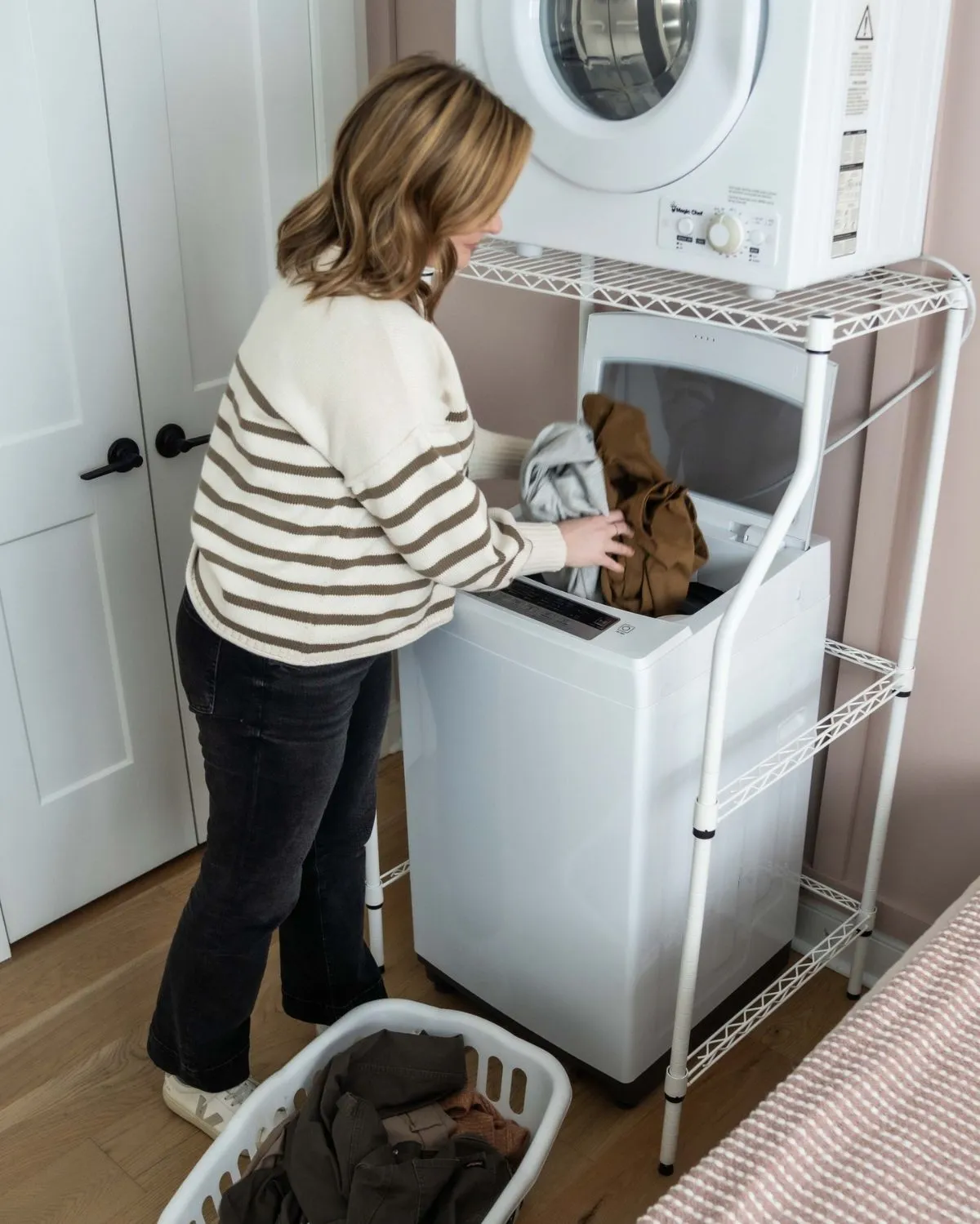
Soft items like blankets, plush toys, and fabric scratching posts easily harbor microscopic viral particles deep within their woven fibers. If the kitten passed away from an unknown cause or a highly contagious illness, it is safest to discard these heavily soiled or inexpensive porous materials.
You must prioritize the safety of future animals over saving a few dollars on supplies.
For items you decide to keep, launder them completely separately from your household pet items. Use the hottest water setting available on your washing machine and add bleach to the wash cycle.
Dry the items on the highest heat setting, as extreme temperatures provide an extra layer of defense against lingering pathogens.
Breaking down a kitten enclosure forces you to process profound grief. Much like navigating the complex emotions of returning a foster dog, dealing with the aftermath of loss requires immense grace.
Take your time, focus on the details of the task, and remember that creating a sterile environment ensures the next animal in need will have a safe place to heal.
Sanitizing for Safety: Disinfecting Your Foster Space
- Feline pathogens can survive on surfaces for months, making deep cleaning essential before fostering again.
- Effective sanitization requires a two-step process: physically cleaning organic debris first, followed by chemical disinfection.
- Use veterinary-grade products like accelerated hydrogen peroxide or properly diluted bleach for maximum efficacy.
- Always allow the disinfectant to sit for the required contact time to ensure all viral particles are eradicated.
5. Allow Yourself Grace and Time to Grieve
Losing a foster kitten is a devastating experience that deeply impacts any dedicated animal advocate. You opened your home to a vulnerable creature and provided around-the-clock care. It is entirely natural to feel a profound sense of emptiness when a rescue operation does not end the way you hoped.
Many foster caregivers instinctively blame themselves when a tiny animal passes away. They agonize over every feeding schedule, temperature adjustment, and subtle behavioral change.
However, you must remember that neonatal kittens are incredibly fragile. Fading kitten syndrome can claim lives despite the absolute best medical intervention.
Allowing yourself space to mourn is a vital part of the animal welfare journey. Bottling up your feelings can quickly lead to burnout or compassion fatigue.
Acknowledging your heartbreak is the first step toward healing. This internal process is essential for eventually continuing your valuable conservation work.
They may have only been in your life for a fraction of time, but you provided them with a lifetime of warmth, safety, and love.
Recognizing the Reality of Neonatal Fostering
Orphaned kittens are among the most at-risk populations in any animal sanctuary. Without their mother to provide essential antibodies and warmth, these tiny felines face monumental survival odds.
As a foster guardian, you are stepping in as a surrogate parent to an animal that already faced severe ecological and biological disadvantages.
Even the most experienced wildlife rehabilitators and veterinary professionals lose kittens in their care. It is an unfortunate reality of this specific type of animal rescue.
Your intervention gave that kitten a dignified, pain-free passing in a secure environment. Instead of suffering alone outdoors, the kitten was surrounded by compassion.
Grieving the loss of an animal is a highly individual experience. Caregivers must permit themselves to mourn without judgment, recognizing that this pain is a natural response to losing a deeply cherished companion.
American Veterinary Medical Association, Coping with the Loss of a Pet
Healthy Ways to Process Your Heartbreak
Healing from the loss of a foster animal requires intentional self-care and community support. Everyone processes grief differently, so finding a coping mechanism that brings you peace is crucial.
Here are several ethical and comforting ways to honor your foster kitten. These practices will help you grieve while protecting your mental health.
- Create a quiet memorial: Plant a specific flower in your garden, paint a small river stone, or frame a favorite photograph of the kitten resting comfortably.
- Connect with your rescue coordinator: Speak openly with the staff at your local shelter. They understand the heavy emotional toll of animal rescue and can offer genuine empathy.
- Write a farewell letter: Documenting the kitten’s unique personality traits, their quiet purrs, and your favorite moments together can help release pent-up sorrow.
- Join a support group: Seek out online communities or local meetups filled with fellow foster caregivers who share similar experiences and understand your specific grief.
If the grief feels too heavy, it is perfectly acceptable to take a temporary break from hands-on fostering. You can still advocate for vulnerable species without providing direct medical care.
Exploring remote volunteer opportunities for animal rescue allows you to support your local sanctuary. This approach helps you contribute to the mission while protecting your emotional well-being.
Ultimately, your willingness to open your heart to an animal with an uncertain future is an act of profound bravery. Take all the time you need to heal.
When you feel ready, the animal welfare community will be waiting to welcome you back with open arms.
Embracing Grace After Foster Loss
- Release self-blame by recognizing that neonatal kittens are incredibly fragile, and loss can occur even with the best medical care.
- Acknowledge your grief as a natural and necessary response to prevent compassion fatigue and burnout.
- Find comfort in knowing your care provided the kitten with a lifetime of warmth, safety, and dignity.
- Prioritize gentle self-care and seek community support to heal and protect your mental well-being.
Honoring Their Short Lives: Moving Forward With Compassion
Losing a foster kitten is one of the most heartbreaking experiences an animal advocate will ever face. Yet, it is vital to remember that their passing is never a reflection of your dedicated care.
You gave them warmth and deep love. You also provided a profoundly safe sanctuary during their brief time on earth.
By acting quickly to contact your rescue coordinator, you help ensure the safety of any surviving littermates. This immediate communication is a vital step in protecting the rest of the group.
Documenting their final symptoms and following shelter medical protocols honors their memory. These actions also directly advance future rescue efforts and improve care for other animals.
Allow yourself the grace and time needed to grieve this delicate loss. Fostering requires immense bravery and an open heart, so please be patient with your healing process.
Please do not let this tragedy deter you from continuing this critical mission. Countless other vulnerable, orphaned animals still desperately need your compassion and advocacy.
Frequently Asked Questions About Losing a Foster Kitten
No, it is absolutely not your fault. Fading kitten syndrome is deeply tied to underlying biological vulnerabilities, genetic anomalies, or environmental issues that often begin before the kitten ever arrives in your care.
Despite providing the most meticulous care, neonatal kittens are incredibly fragile. Sadly, some simply cannot overcome their biological hurdles.
You should immediately separate the remaining siblings. Thoroughly sanitize their bedding or incubator to prevent the potential spread of unknown infections.
Monitor the surviving kittens intensely for any subtle signs of lethargy, temperature drops, or weight loss. Report every detail back to your rescue coordinator.
You must always consult your rescue organization before making any arrangements for a foster animal’s remains. Because the shelter or rescue is the legal guardian, they often have specific protocols to follow.
They frequently require the kitten to be brought in for a necropsy. This procedure helps identify contagious diseases and protect any surviving littermates.
They must also ensure compliance with local biological disposal laws.
Give yourself unconditional permission to mourn the loss of your tiny foster. Your grief is a testament to your deep empathy for animals.
Lean heavily on your rescue coordinator and fellow wildlife rehabilitators or volunteers for emotional support. They intimately understand this specific heartbreak.
Always remember that because of you, the kitten did not pass away alone, but rather in a place of comfort and absolute love.