

Table of Contents
- 1. Managing Social Media and Digital Marketing Campaigns
- 2. Grant Writing and Fundraising Coordination
- 3. Designing Graphics and Web Content for Pet Profiles
- 4. Coordinating Transport and Foster Placement Logistics
- 5. Performing Administrative Tasks and Data Entry
- A Lifeline from Afar: Your Screen is a Powerful Rescue Tool
- Questions About Remote Animal Advocacy
The silent struggle of displaced wildlife and abandoned domestic animals requires a chorus of dedicated voices to advocate for their survival. Every species plays a vital role in our global ecosystem.
The loss of even one individual to human neglect is a tragedy for biodiversity. Just as a rehabilitator understands the delicate balance of medical care, we must recognize that modern rescue work extends far beyond the physical walls of a sanctuary.
Digital marketing serves as a critical bridge between vulnerable creatures and the resources they need to thrive. By utilizing your professional skills in communication and digital strategy, you provide a platform for those who cannot speak for themselves.
This guide explores how your remote contributions amplify rescue narratives and ensure vital funds reach the front lines of conservation. Your commitment to remote advocacy transforms online spaces into engines of compassion and practical support.
Every post shared or campaign managed has the potential to secure a future for an endangered predator or a neglected domestic pet. Together, we can harness the power of the internet to protect the natural world and foster a deeper respect for all sentient beings.
The Flash Sheet Summary: Digital Animal Advocacy
- Remote digital volunteers act as the vital voice for vulnerable species, supporting underfunded sanctuaries straight from a laptop.
- This quiet, high-impact role is perfect for digital natives and individuals who prefer advocating away from busy or noisy shelter environments.
- Daily tasks involve curating engaging photos, writing empathetic copy, guiding potential adopters, and organizing critical fundraising campaigns.
- Ethical storytelling is crucial; always frame animals as resilient survivors and avoid imagery that could inadvertently promote the exotic pet trade.
1. Managing Social Media and Digital Marketing Campaigns

Many animal sanctuaries and wildlife rehabilitation centers operate on tight financial budgets. They dedicate every available dollar directly to medical care, nutritious food, and crucial habitat protection. This prioritization often leaves very little funding or staff time for advertising and digital outreach.
As a remote social media volunteer, you become the digital voice for vulnerable species. Your laptop transforms into a vital tool for global advocacy and conservation awareness.
You can help an injured owl categorized as Least Concern find a medical sponsor through digital outreach. Sharing a senior dog’s recovery journey is another powerful way to help them secure a loving guardian.
This role is perfect for digital natives who want to make a tangible difference without setting foot inside a busy or noisy facility. In fact, wearing blue light blocking glasses while managing digital campaigns from home is an excellent option if you are an animal shelter volunteer with social anxiety looking for quiet roles.
Social media is one of the most effective tools for finding homes for animals, raising money and recruiting volunteers.
Official Resource Guide, HumanePro by The Humane Society of the United States
📢 HumanePro by The Humane Society of the United States
Global
Global NGO: This organization serves as a professional resource hub providing training and strategic tools for animal welfare volunteers and staff.
- Operated by one of the world’s largest animal protection organizations
- Expertise in digital advocacy and social media strategy
- Provides official resource guides for community outreach
Crafting Ethical and Impactful Stories
View Professional Ring Light with Tripod on Amazon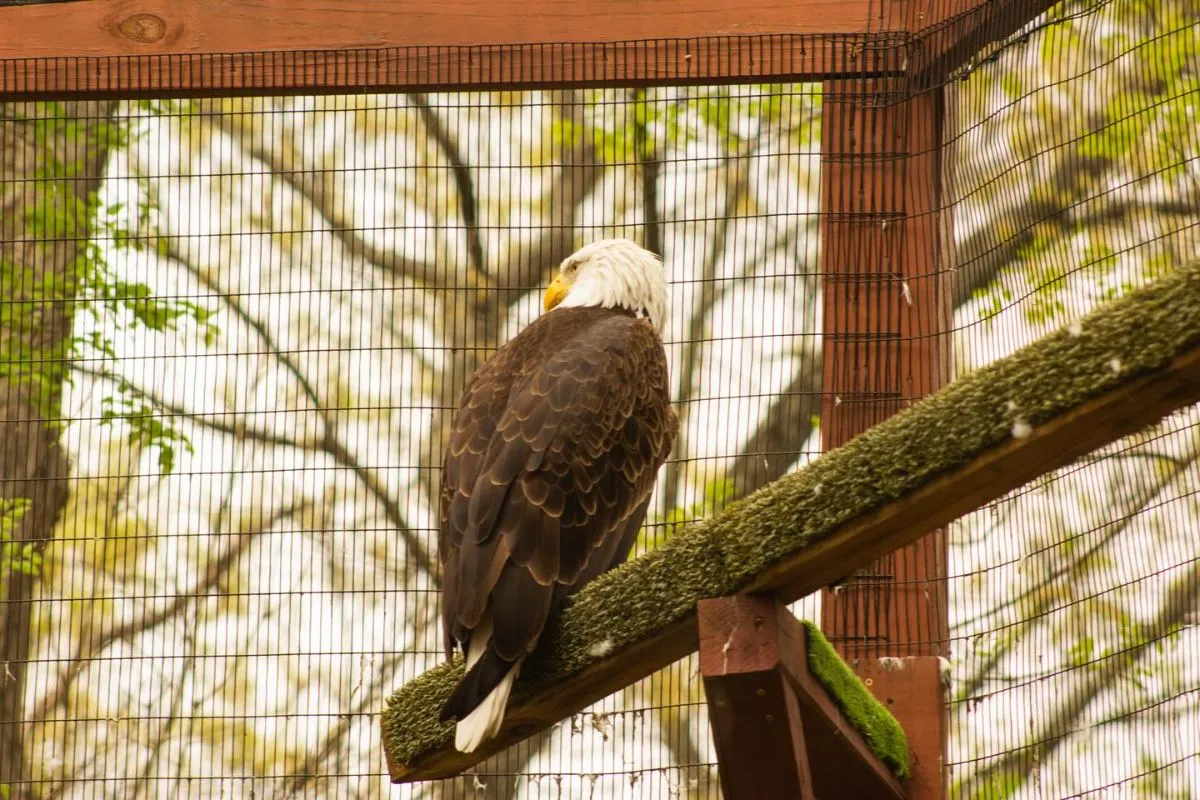
Storytelling serves as the heart of digital marketing for animal welfare organizations. When crafting posts or editing videos, your primary goal is to highlight the inherent resilience of the animals. This approach allows you to frame them as capable survivors rather than helpless victims.
A successful remote volunteer knows how to evoke empathy while maintaining strict ethical standards. When discussing specific species, you should describe their natural physical traits and instinctual behaviors.
Including details about unique habitats provides essential context for your audience. This educational approach inspires followers to care deeply about broader conservation efforts.
- Content Curation: Sorting through photos sent by on-the-ground staff to select the most engaging and high-quality images.
- Copywriting: Writing compelling and fact-checked captions that prioritize actionable ways to help the organization.
- Community Management: Answering direct messages from potential adopters and guiding them to official application forms.
- Fundraising Campaigns: Organizing digital donation drives to fund emergency surgeries or new sanctuary enclosures.
Remote digital advocacy proves that you do not need to be in the same room as an animal to save its life.
Understanding Ethical Digital Content

It is vital to maintain high ethical standards when posting content on behalf of a rescue. We must respect the autonomy and dignity of wildlife and domestic animals alike. Sharing the wrong type of image can inadvertently promote harmful trends.
For example, you should never share photos of humans holding or cuddling wild animals. This imagery confuses the public and can drive demand for the illegal exotic pet trade. Always prioritize safety, respect, and natural behaviors in your digital campaigns.
| Ethical Digital Content | Unethical Digital Content |
|---|---|
| ✅ Highlighting an animal’s natural behavior and recovery journey | ❌ Promoting forced interactions or humans touching wild animals |
| ✅ Referring to adopters as “guardians” to promote respect | ❌ Using sensationalized or aggressive words like “monster” |
| ✅ Showing wildlife thriving in safe and protected sanctuaries | ❌ Sharing photos of wildlife placed in unnatural domestic settings |
| ✅ Providing factual educational context about conservation status | ❌ Posting contextless videos that encourage illegal pet trades |
By following these ethical guidelines, remote marketing volunteers ensure that every post protects the species it aims to help. Your strategic efforts can directly increase adoption rates, boost vital donations, and foster a more compassionate online community.
Championing Animal Welfare from Your Laptop
- Remote digital marketing fills a critical gap for budget-strapped sanctuaries, allowing them to focus funds directly on animal care.
- Ethical storytelling is key: volunteers should frame animals as resilient survivors and use an educational approach to inspire conservation.
- Responsibilities include curating content, copywriting, managing community interactions, and organizing digital fundraising campaigns.
- This role offers a highly impactful, quiet alternative for digital natives and volunteers who prefer to avoid busy or noisy shelter environments.
2. Grant Writing and Fundraising Coordination

Financial resources are the lifeblood of every successful wildlife rehabilitation center and domestic animal sanctuary. Without steady funding, even the most dedicated rescue organizations struggle to afford essential medical care, species-specific diets, and secure habitats.
Remote grant writers step into this critical gap by translating ground-level rescue work into compelling funding proposals.
This role is perfect for detail-oriented individuals who prefer working behind the scenes. If you are looking for impactful ways to help without the sensory overwhelm of a busy facility, taking on administrative tasks is a perfect option.
This work beautifully complements the needs of an animal shelter volunteer with social anxiety. It offers a quiet but highly effective way to contribute to the shelter’s mission.
Make sure your goals are SMART: Specific, Measurable, Achievable, Realistic, and Time-bound. Funders want to see exactly how their money will be used and the impact it will have.
ASPCApro Team, Grant Writing 101
📢 ASPCApro
National
National NGO: The professional division of the ASPCA dedicated to providing tools and grants for animal welfare organizations.
- Specializes in animal welfare professional development
- Provides ‘Grant Writing 101’ for rescue organizations
- Focuses on measurable ‘SMART’ goals for funding impact
The Anatomy of a Winning Rescue Grant

Writing a successful grant requires a delicate balance of emotional storytelling and hard biological data. You must vividly describe the specific needs of the animals while providing concrete metrics on recovery rates and release statistics.
For example, detailing the exact cost of specialized milk replacer for orphaned raccoons, Least Concern, makes the funding request tangible and urgent to the review committee.
Grant writers often collaborate with sanctuary directors to gather compelling case studies and detailed veterinary reports. They then compile this data into structured applications aimed at private foundations, corporate sponsors, and government conservation programs.
Typical funding requests fall into a few distinct categories.
- Capital Campaigns: Drafting proposals to fund new wildlife enclosures, ethical sanctuary fencing, or mobile rescue vehicles.
- Operational Grants: Securing unrestricted funds that cover daily necessities like hay, species-appropriate pellets, and veterinary salaries.
- Emergency Relief Funds: Writing rapid response applications during natural disasters when local wildlife displacement spikes dramatically.
Initial Phase
Collaborate with sanctuary directors to gather case studies and veterinary reports.
Focus on gathering both emotional stories and hard biological data.
Data Analysis
Compile concrete metrics on recovery rates and release statistics.
Detailing specific costs like milk replacers makes funding requests tangible.
Drafting
Structure applications for private foundations, corporate sponsors, or government programs.
Ensure goals are SMART: Specific, Measurable, Achievable, Realistic, and Time-bound.
Submission
Submit funding requests for capital campaigns, operations, or emergency relief.
Emergency relief grants are vital during natural disasters.
Coordinating Digital Fundraisers
Beyond formal grants, grassroots fundraising keeps community rescues afloat during difficult seasons. Remote volunteers can take charge of organizing digital campaigns, peer-to-peer fundraising events, and virtual charity auctions. In this role, you become the digital bridge connecting generous donors with the animals who desperately need their support.
Coordinating these events involves writing persuasive email newsletters and designing engaging donation tiers. It also requires updating sponsors on the recovery journeys of specific animals. When donors see the spark of life returning to a previously malnourished animal, they feel deeply connected to the mission.
Fundraising is not just about asking for money; it is about giving compassionate people an opportunity to be part of a life-saving solution.
You can easily manage these campaigns from your living room while balancing other personal or professional commitments. Much like learning how to foster a dog while working full time, managing virtual fundraisers requires strong time management and deep dedication.
Ultimately, your organizational skills directly translate into full food bowls, warm beds, and second chances for countless vulnerable animals.
Key Takeaways: Remote Grant Writing & Fundraising
- Grant writing provides a high-impact, behind-the-scenes role perfect for detail-oriented volunteers who prefer quiet administrative tasks.
- Winning proposals must balance emotional storytelling with concrete biological data and SMART financial goals to clearly demonstrate impact.
- Funding requests typically target capital campaigns for new habitats, daily operational costs, and emergency relief during natural disasters.
- In addition to formal grants, coordinating grassroots digital fundraisers is vital to keeping local rescues financially afloat.
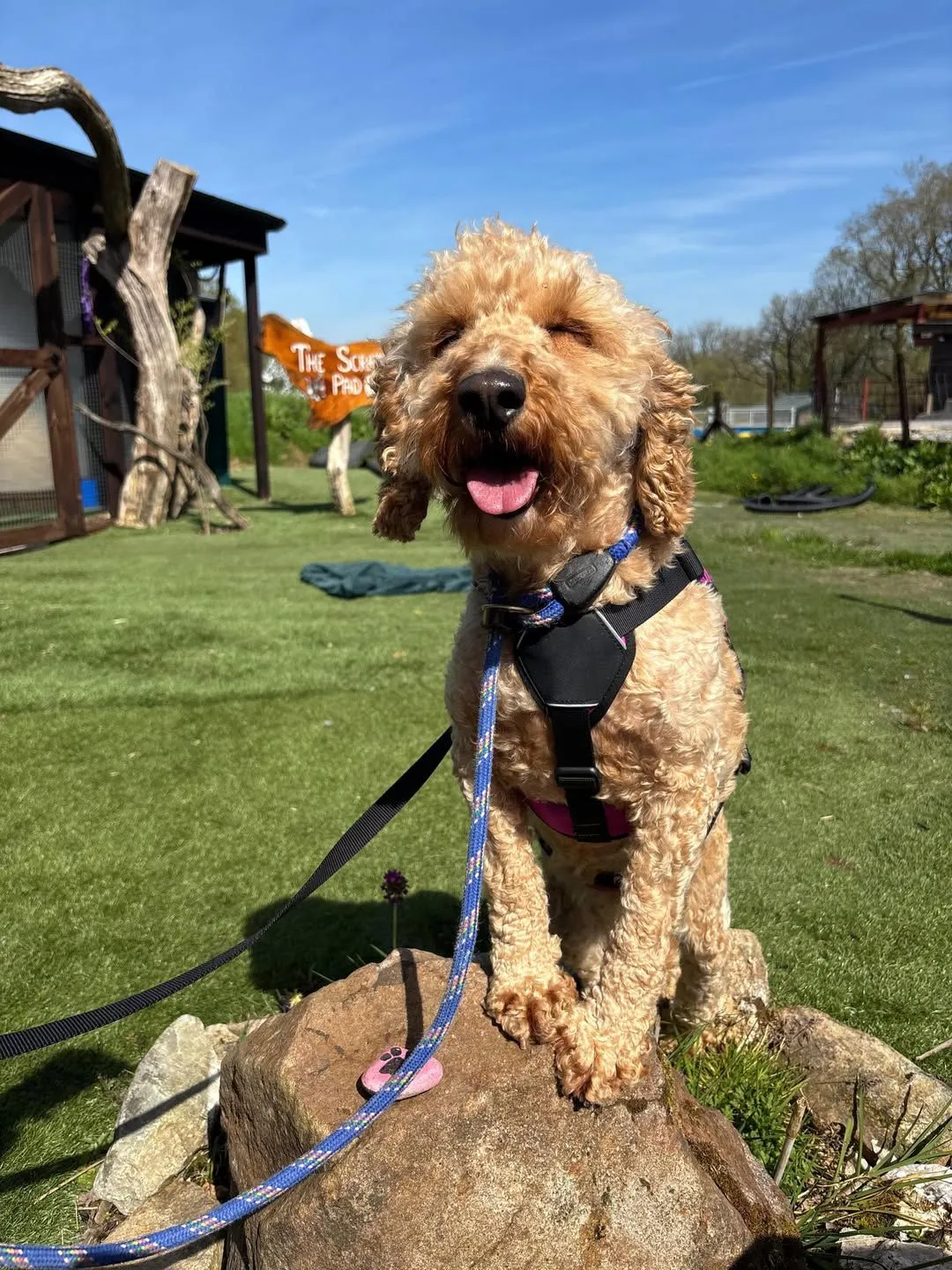
Meet Toby!
Toby is a resilient senior dog who has successfully recovered from surgery for painful glaucoma and is now a smart, affectionate companion learning to navigate the world with his heart.
Adopt Me3. Designing Graphics and Web Content for Pet Profiles

Visual storytelling is the beating heart of modern animal rescue advocacy. When potential guardians scroll through online adoption portals, a captivating image often sparks that crucial first emotional connection.
Remote volunteers with an eye for design can drastically change an animal’s trajectory. By enhancing these digital profiles, they provide the visual appeal necessary to find a forever home.
Animal sanctuaries and rescue groups often lack the time or resources to edit photos and build cohesive social media campaigns. You can assist by cropping out distracting backgrounds and adjusting poor lighting. These edits beautifully highlight the unique physical traits of each species.
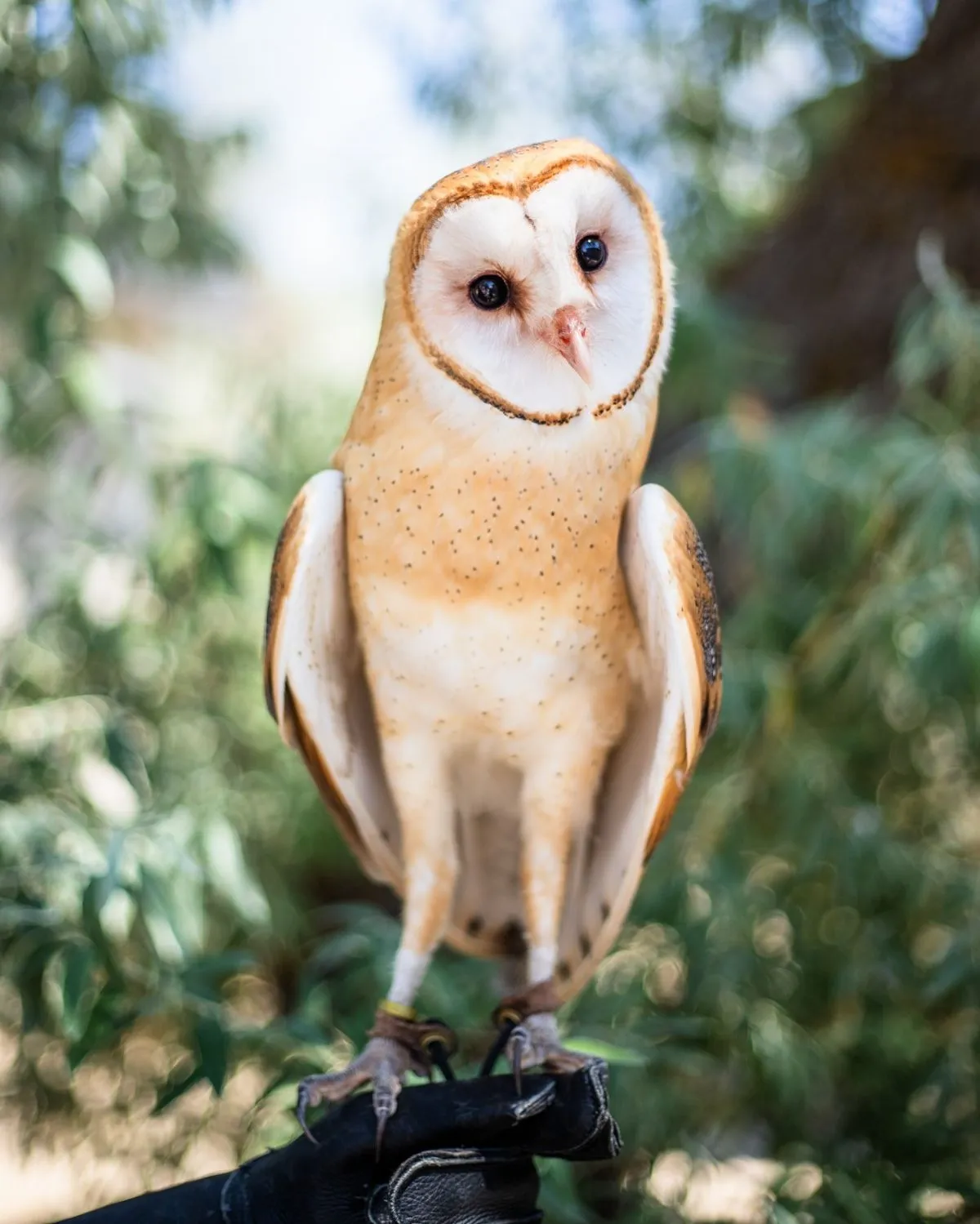
You might emphasize the striking golden eyes of a rescued barn owl Least Concern or the endearing expressions of a senior mixed-breed pup. In either case, your graphic design skills bring these important stories to life.
Photography and visual marketing are powerful tools that give shelter animals a voice, breaking down barriers and changing public perception.
Lisa Prince Fishler, HeARTs Speak: Our Impact
Beyond standard adoption profiles, rescue organizations desperately need clear educational web content. You might be tasked with designing infographics that explain complex welfare topics to a broader audience.
For example, creating a step-by-step visual guide on how to foster a dog while working full time is an excellent strategy. These resources help local shelters recruit more temporary homes for animals in need.
A compelling portrait does more than show an animal’s face; it reveals their soul and invites a compassionate guardian to change their life.
📢 HeARTs Speak
Global
Global NGO: This is a global nonprofit that unites artists and animal rescues to increase the visibility of shelter animals.
- Global network of photographers and designers
- Provides resources to help animals find homes through visual storytelling
- Specializes in breaking down barriers via high-impact pet portraits
Essential Graphic Design Tasks for Remote Volunteers

Remote design roles are highly flexible but require a strong commitment to ethical representation. You must ensure that your digital edits never mask signs of illness or alter an animal’s true physical appearance.
Absolute transparency is vital for matching rescued animals with the right guardians and ensuring long-term placement success.
- Profile Picture Retouching: Brightening underexposed photos and color-correcting images to show the animal’s authentic coat colors and natural expressions.
- Adoption Milestone Graphics: Creating celebratory digital cards for animals who have spent months in foster care waiting for their perfect match.
- Educational Infographics: Designing easily digestible social media posts about local habitat protection or the specific dietary needs of an endangered species.
- Emergency Operation Flyers: Building eye-catching promotional materials for virtual fundraising events, supply drives, or urgent rescue operations.
Creating compelling web content involves writing accurate, respectful biographies to accompany your graphics. Focus on actionable facts and specific behavioral traits rather than relying on fluffy adjectives.
Highlighting a dog’s stellar leash-walking skills or a rescued parrot’s specific habitat requirements provides essential context. This level of detail naturally attracts prepared, responsible families.
By dedicating just a few hours a week to digital design, you provide direct support to frontline conservationists. Clear, beautiful graphics cut through the daily noise of social media feeds. Your remote contributions ensure that every animal receives the brilliant spotlight they deserve.
The Power of Pixels: Transforming Animal Rescue Through Design
- High-quality visual storytelling sparks emotional connections that drive animal adoptions.
- Remote volunteers enhance adoption profiles by correcting lighting, removing distractions, and highlighting unique traits.
- Creating educational infographics helps rescues explain complex welfare topics and recruit new fosters.
- Ethical editing is crucial; volunteers must ensure complete transparency by never masking illness or altering an animal’s true physical appearance.
4. Coordinating Transport and Foster Placement Logistics
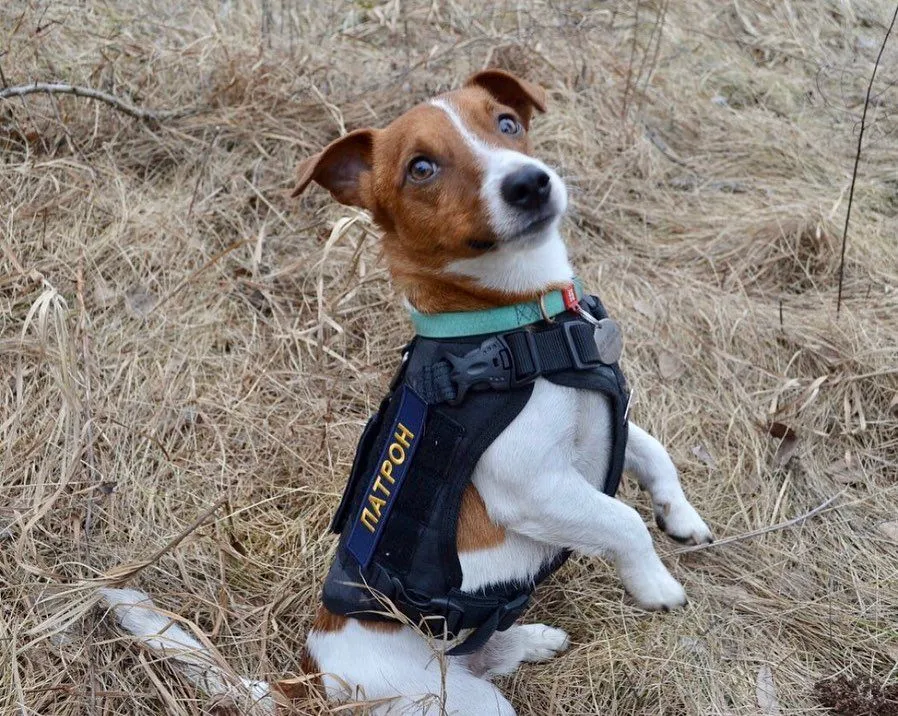
Moving vulnerable animals from overcrowded facilities to safe havens requires immense logistical precision. Behind every successful rescue operation is a dedicated remote volunteer.
They manage the complex web of transport routes and foster homes. These behind-the-scenes heroes ensure that animals reach their temporary guardians safely and efficiently.
When exploring remote animal rescue opportunities, logistics and transport coordination are among the most critical needs. Overpopulated shelters rely on transport relays to move animals to regions with higher adoption rates. By managing these details from your computer, you create a seamless bridge between a vulnerable animal and a secure future.
Mapping Rescue Routes

Transport coordinators act as the air traffic controllers of the animal welfare world. You will piece together complex relay legs across state or provincial lines.
This coordination ensures volunteer drivers have manageable shifts. It also keeps the animals comfortable and stress-free throughout the journey.
Many transport relays involve multiple drivers meeting at specific transfer points. Remote coordinators monitor weather conditions and traffic patterns to keep the journey safe. You also ensure all necessary health certificates travel alongside the animals, maintaining compliance with local regulations.
Moving pets from communities where there are not enough homes to communities where there is a shortage of adoptable pets is a highly effective lifesaving strategy.
Dr. Julie Levy, Maddie’s Shelter Medicine Program
Remote Foster Placement Coordination

Finding the perfect foster home requires patience and keen observational skills. Remote volunteers review applications to match the specific needs of an animal with the lifestyle of a prospective foster guardian. This delicate matching process prevents animals from returning to the shelter and reduces behavioral regression.
Sometimes, shelters handle animals that fall outside the typical domestic pet category. For instance, if an organization receives a call about a grounded bird or small mammal, coordinators must know whether the shelter can take injured wildlife or if they need to contact a specialized rehabilitation center.
Knowing the legal and ethical boundaries of wildlife care is crucial for anyone handling placement logistics.
Daily responsibilities for a remote transport and foster coordinator often include managing transport logs, vetting potential foster homes, and communicating with rescue partners.
- Application Screening: Reviewing references and conducting virtual home checks with potential foster guardians.
- Driver Coordination: Scheduling reliable volunteers to cover specific legs of a cross-country rescue operation.
- Medical Record Management: Ensuring all animals have up-to-date vaccinations and travel papers before their journey begins.
- Crisis Management: Rerouting drivers during sudden weather events or vehicle breakdowns to maintain animal safety.
Behind every successful animal rescue operation is a dedicated remote volunteer mapping the journey to a second chance.
Remote coordination proves that you do not need to be physically present at a shelter to make a profound impact. Your organizational skills translate directly into saved lives.
This work expands the capacity of frontline workers. Every route planned and every foster home approved brings an animal one step closer to a permanent, loving environment.
Transport and Foster Coordination Essentials
- Transport coordinators act as air traffic controllers by mapping complex relay routes and monitoring weather and traffic to ensure safe animal transfers.
- Foster placement requires matching an animal’s specific behavioral and medical needs with the lifestyle of prospective guardians to prevent shelter returns.
- Logistics volunteers must ensure all legal requirements are met, such as managing health certificates for state-line crossings and identifying specialized care for wildlife.
- Coordinating transport from overcrowded shelters to high-demand adoption regions is a highly effective lifesaving strategy for vulnerable animals.
5. Performing Administrative Tasks and Data Entry

Behind every successful wildlife rehabilitation release and every companion animal finding a loving guardian, there is a mountain of paperwork. Rescue organizations operate on incredibly tight margins and often lack the funding to hire full-time administrative staff.
By stepping in to handle remote administrative tasks, you directly free up sanctuary workers to focus entirely on hands-on animal care.
This critical support system ensures that medical treatments are administered on time. It also ensures that conservation data is accurately recorded. This level of organization allows the experts on the ground to stay focused on what they do best.
Maintaining Lifesaving Medical and Intake Records

Accurate record-keeping is a matter of life and death in the animal welfare community. When a facility receives an influx of vulnerable animals, the intake process generates vital data regarding vaccination schedules, dietary needs, and behavioral observations.
Remote volunteers meticulously input this handwritten or hastily typed information into secure shelter management software.
Without this data, caretakers risk missing crucial medication doses or losing track of an animal’s unique behavioral triggers. By maintaining these records from your home computer, you become an invisible but essential part of their healing journey.
We can’t save them if we don’t know who they are, where they are, and why they are dying. Data is the key to achieving no-kill nationwide.
Julie Castle, Best Friends Animal Society
Managing Donor Databases and Volunteer Schedules
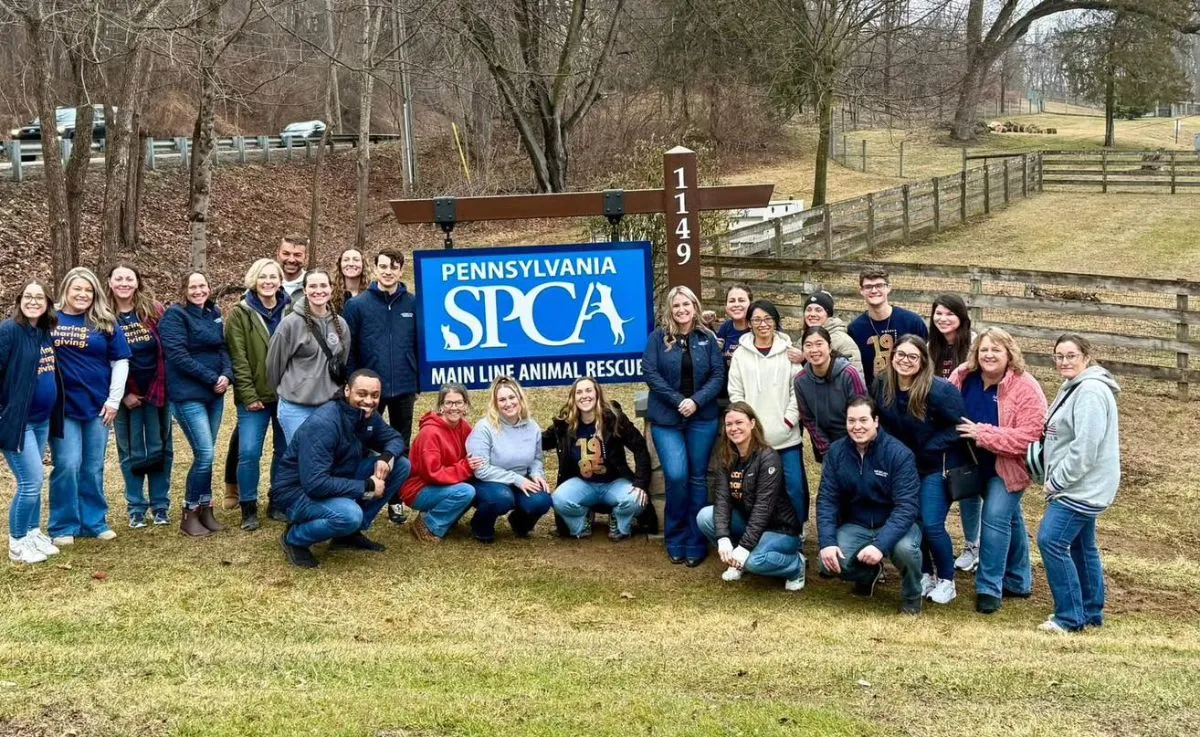
Financial support and human resources are the foundation that keeps the lights on at any animal sanctuary. Remote volunteers play a crucial role in these operations by maintaining donor databases and logging vital contributions.
These volunteers also manage community outreach by sending out heartfelt thank-you emails to every supporter. Such administrative efforts ensure that funding streams remain steady and relationships with the local community stay strong.
Coordinating the people on the ground is just as vital for daily operations. You might find yourself organizing schedules for transport drivers or matching foster homes with animals in need. Additionally, you may be responsible for updating the central calendar for educational facility tours.
This hidden orchestration allows the physical shelter to run like a well-oiled machine.
Common remote administrative tasks for animal welfare organizations include outreach, scheduling, documentation, and data entry.
- Medical Data Entry: Digitizing physical veterinary intake forms and updating ongoing prescription schedules for recovering wildlife.
- Grant Organization: Cataloging application deadlines and tracking compliance reporting for crucial habitat protection grants.
- Foster Coordination: Updating spreadsheets with current foster availability, home environment details, and guardian contact information.
- Conservation Tracking: Inputting GPS release coordinates and behavioral notes for monitored endangered species returning to the wild.
Creating and Refining Standard Operating Procedures
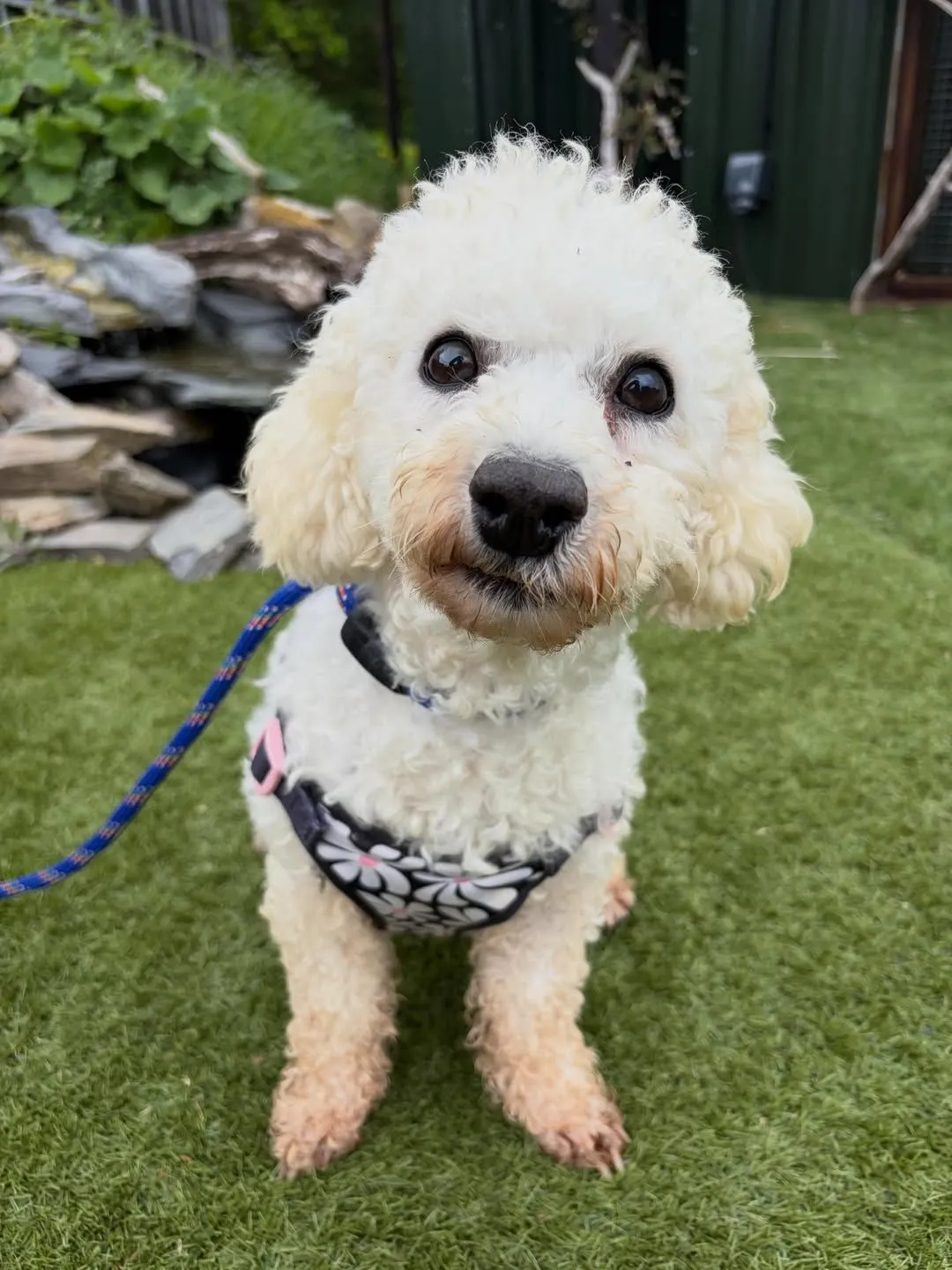
Many grassroots rescue operations grow so quickly that they struggle to document their own internal processes. Remote volunteers with a knack for organization can help draft standard operating procedures, volunteer manuals, or employee handbooks. Having clear written protocols ensures that every animal receives consistent and ethical care, regardless of who is on shift.
For example, when someone discovers an injured animal in their yard, they often turn to local shelter websites for guidance. By ensuring the organization’s public-facing documents are accurate, you indirectly help the community understand the right steps to take.
For further reading on local protocols, you might find it helpful to learn whether animal shelters take injured wildlife in your specific region.
Data entry might not feel glamorous, but behind every spreadsheet is a rescued animal receiving the exact care they need to survive.
Back-Office Heroes: Powering Rescue Operations
- Remote administrative support allows on-site staff to focus exclusively on hands-on animal rehabilitation and life-saving care.
- Digitizing medical and intake records is critical for ensuring animals receive correct medication doses and specialized behavioral support.
- Managing donor databases and thank-you communications helps maintain the steady funding streams necessary for sanctuary survival.
- Coordinating volunteer and transport schedules serves as the essential logistics hub that keeps physical rescue facilities running efficiently.
A Lifeline from Afar: Your Screen is a Powerful Rescue Tool
You do not need to scoop enclosures or bottle-feed orphaned wildlife to make a profound impact. Remote volunteering proves that advocacy knows no borders, allowing you to champion vulnerable species right from your living room.
By stepping into a digital marketing or social media role, you become a vital voice for animals who cannot speak for themselves. Your campaigns can fund emergency surgeries, educate the public on ethical conservation, and ultimately find loving homes for overlooked rescues.
Every graphic designed, caption written, and message answered is a direct contribution to animal welfare. If you have a computer, an internet connection, and a heart for conservation, you have everything you need to start saving lives today.
Questions About Remote Animal Advocacy
Not necessarily! While experience helps, many rescues simply need passionate individuals who are willing to learn and contribute to the cause.
A strong sense of empathy, basic digital literacy, and a dedication to ethical storytelling are often the most valuable skills you can offer to an organization.
The time commitment is usually highly flexible. Most organizations ask for a few hours a week, allowing you to easily balance your advocacy work with your personal and professional life.
Yes, absolutely. Digital campaigns are global, meaning your advocacy efforts can reach an international audience and make a difference for animals anywhere in the world.
As long as you understand the organization’s ethical guidelines and mission, you can manage social media, curate photos, or organize fundraisers from anywhere in the world.
Always prioritize the animal’s dignity and natural behaviors. Avoid sharing images of humans holding or cuddling wild animals, as this promotes the exotic pet trade. Focus on their resilience and the rehabilitation process instead.