


Table of Contents
- 1. Separate and Secure Both Animals Immediately
- 2. Assess Your Cat for Injuries and Seek Urgent Care
- 3. Notify the Rescue Organization Incident Team
- 4. Implement a Strict Crate and Rotate Protocol
- 5. Reevaluate the Foster Placement with Your Coordinator
- Moving Forward with Compassion and Caution
- Frequently Asked Questions About Inter-Species Pet Conflict
It is a moment of pure panic when a foster dog clashes with a resident cat, a crisis that tests even the most resilient caretakers. As someone who has navigated the delicate boundaries of animal behavior, I know the profound guilt and fear that flood your heart in these quiet, terrifying seconds.
This is the raw reality of rescue work, where love and danger often coexist.
In the immediate aftermath of an altercation, our primary responsibility shifts from emotional distress to decisive, structured action. Every species operates under its own evolutionary instincts, and understanding that this conflict is not a moral failing of the dog, but a biological response, is the first step toward resolution.
By remaining calm and applying proven safety protocols, you can safely de-escalate the situation and prevent further harm.
This guide is designed to walk you through those critical first moments of separation, medical assessment, and long-term rehabilitation. Together, we can honor the commitment we made to safeguard these vulnerable lives, healing the trauma of today while rebuilding a secure, compassionate environment for every creature under your roof.
The Flash Sheet Summary
- Act swiftly to separate the animals using safe environmental barriers, like a heavy blanket or baby gate, to break visual and physical contact without adding panic.
- Protect yourself and honor their stress responses; never use bare hands to grab a collar, as high-arousal situations often lead to severe redirected bites.
- Anchor the chaos with your calm demeanor. Avoid yelling or frantic movements, as animals are incredibly sensitive to our energy during a crisis.
- Secure both pets in separate, quiet spaces behind solid doors. Lower the lights and give their overwhelmed nervous systems the critical time they need to decompress.
1. Separate and Secure Both Animals Immediately

When an altercation happens between a foster dog and a resident cat, time is critical. The immediate priority is breaking the visual and physical contact between the two animals without putting yourself in danger. Adrenaline will be running high for everyone involved in the room.
View Safety 1st Easy Install Extra Tall & Wide Gate on AmazonYou must stay as calm as possible to prevent adding to the chaos. Animals are highly sensitive to human panic, and screaming or frantic movements can escalate their stress. A quiet, swift response is your best tool for protecting both pets.
🚁 Animal Humane Society
National
Animal Welfare Organization: This is a leading animal welfare organization providing expert guidance on pet behavior and safe intervention tactics during animal conflicts.
- Provides professional safety protocols for breaking up dog fights
- Extensive database of pet behavioral resources
- Focuses on humane treatment and community education
Moment of Impact
Break visual and physical contact using environmental tools like blankets or barriers.
Never use bare hands to separate fighting animals.
Immediately After
Secure the foster dog in a MidWest Homes for Pets Dog Crate or a locked room to decompress.
Watch for dilated pupils or rigid posture as signs of high arousal.
Recovery Phase
Confine the resident cat to a small room like a bathroom.
Avoid letting the cat hide under heavy furniture for easier assessment.
Safe Intervention Tactics

Never use your bare hands to grab a dog by the collar or try to pry animals apart. During a state of high arousal, an animal cannot differentiate between the perceived threat and its guardian. This behavior is known as redirected aggression and frequently results in severe human injury.
Instead, you must use environmental tools to disrupt the interaction safely. Your goal is to create a sudden distraction or a physical wedge that forces the animals to disengage.
If a fight breaks out, do not grab the animals by their collars or use your hands to separate them. You risk severe injury from a bite. Instead, use a loud noise to startle them or throw a large blanket over them.
Animal Behavior Team, Animal Humane Society
Using household items can be highly effective during an emergency rescue operation. A heavy coat can act as a visual blocker, while a large cushion can safely push the dog backward. Always prioritize keeping your face and hands away from the animals’ mouths.
| Intervention Method | Safety Rating | Explanation |
|---|---|---|
| Throwing a thick blanket over the animals | ✅ Safe | Instantly breaks visual contact and temporarily disorients them, creating a window to step in. |
| Inserting a solid board or baby gate between them | ✅ Safe | Creates a firm physical barrier without risking your hands or arms. |
| Grabbing collars or harnesses | ❌ Unsafe | Places human hands directly in the strike zone, inviting severe redirected bites. |
| Yelling or screaming at the pets | ❌ Unsafe | Increases the overall arousal and energy in the room, making the animals more reactive. |
Securing Confined Spaces

Once the animals are physically separated, you must immediately secure them in completely different rooms behind solid doors. Place the foster dog in their crate or a secure bedroom where they can decompress. Keep the lights low and minimize loud noises to help their nervous system regulate.
When securing your foster dog, you may notice physical traits of extreme stress. Look for dilated pupils, a rigid body posture, or heavy, rapid panting. Do not attempt to comfort or pet the dog until these physical signs have completely subsided.
In the chaotic moments of an animal conflict, your calm response is the anchor that prevents further tragedy.
Your cat must be placed in a small, easily accessible room like a bathroom. Cats in distress often exhibit flattened ears, a puffed tail, or vocalizations like hissing and yowling. Do not let the frightened cat run loose into the house or hide under a large piece of furniture like a bed.
If the cat is injured, you will need to evaluate them immediately. Getting a wounded, terrified cat out from under a heavy couch can cause them further trauma and delay critical veterinary care. A smaller room ensures you can safely wrap them in a towel for transport if needed.
After both animals are secured behind closed doors, take a moment to breathe and assess yourself for any bites or scratches. Only after you confirm your own safety should you begin checking the animals for wounds. If you are worried about emergency clinic costs during this stressful time, learning who pays the vet bill if a foster dog attacks my pet can help clarify typical rescue organization protocols.
Emergency Intervention: Safe Separation Tactics
- Stay calm and quiet; screaming or frantic movements will only escalate the animals’ stress levels.
- Never use your bare hands or grab collars to separate the pets, as this invites severe redirected bites.
- Throw a thick blanket over the animals to break visual contact and temporarily disorient them.
- Use solid objects like a baby gate, large cushion, or board to create a safe physical barrier between the pets.
2. Assess Your Cat for Injuries and Seek Urgent Care
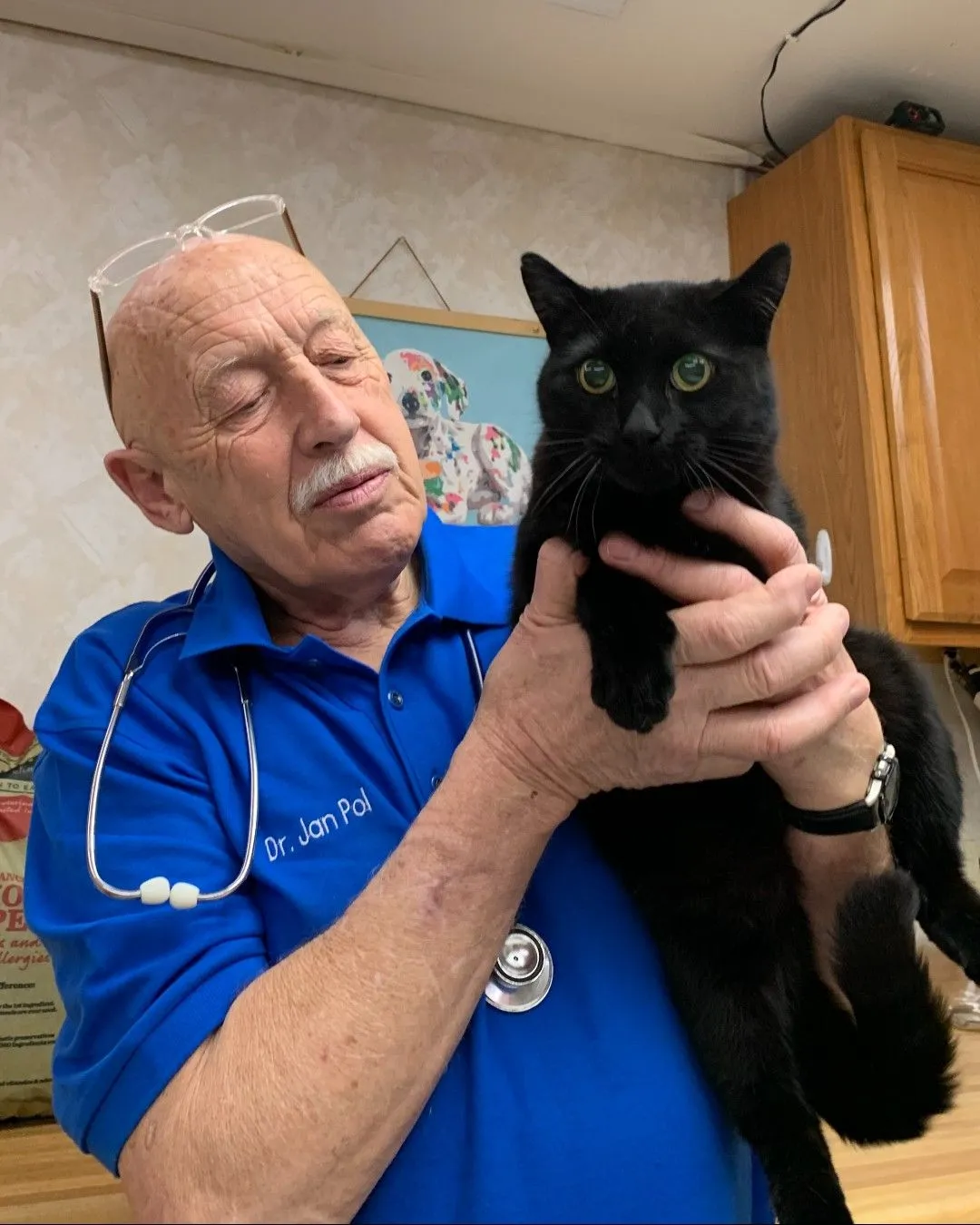
Once the animals are safely separated in secure and closed rooms, your immediate priority is your feline companion. Approach your cat very slowly and speak in a calm, soothing voice. Even the most affectionate animal can lash out in terror when experiencing extreme pain or shock.
Use a thick towel or blanket to gently wrap them. This technique provides essential comfort while protecting you from accidental scratches or bites during the assessment.
Cats are masters at hiding pain as an instinctual behavior meant to protect them in the wild. A superficial glance is never enough after a traumatic wildlife encounter or animal behavior incident. You must carefully look for both obvious wounds and subtle signs of internal trauma.
Watch closely for these critical warning signs:
- Puncture wounds hidden beneath thick fur, particularly around the neck, chest, or abdomen.
- Rapid, shallow breathing or open-mouth panting, which indicates severe respiratory distress.
- Pale or bluish gums pointing to poor circulation or internal bleeding.
- An inability to bear weight on a limb or an entirely unnatural gait.
- Dilated pupils and unresponsiveness, which are classic symptoms of systemic shock.
Because the canine teeth are relatively long, bite wounds can cause significant crushing and tearing of tissues under the skin. The actual puncture wound is often just the tip of the iceberg.
VCA Animal Hospitals, Bite Wounds in Cats
Never delay professional veterinary care, even if your protective guardian instincts tell you the wounds look minor. Dog bites introduce dangerous bacteria deep into muscle tissue, creating a very high risk for severe infection or sepsis. Secure your cat in a sturdy, hard-sided carrier to ensure their physical safety during transport.
When an animal is injured, swift and compassionate veterinary care is the ultimate act of advocacy.
Call your nearest emergency veterinary clinic while en route so they can properly prepare for a critical trauma arrival. Emergency vet visits are inherently stressful and often expensive, which can add to the overwhelming nature of the event.
While in the waiting room, you might start worrying about the financial logistics of the rescue operation. It is helpful to know who pays the vet bill if a foster dog attacks your pet so you can focus entirely on your cat’s recovery.
Most ethical rescue organizations have clear protocols for these tragic situations.
Once the veterinary team takes over, remember to breathe and give them the necessary space to work. The rehabilitation journey for your cat will require time, patience, and strict adherence to medical advice. Always advocate for your pet by asking detailed questions about wound care, pain management, and signs of secondary infection before bringing them back home.
Swift Assessment & Emergency Vet Care
- Approach cautiously and wrap your cat in a thick towel to safely examine them without risking scratches or bites.
- Check thoroughly for hidden puncture wounds, pale gums, and signs of shock, keeping in mind that cats naturally hide pain.
- Seek immediate veterinary care, as bite wounds often cause severe underlying tissue damage and carry a high risk of dangerous infections.
- Secure your cat in a hard-sided carrier for safe transport and call the emergency vet clinic while en route.
🩺 VCA Animal Hospitals
National Network
Veterinary Medical Network: A vast network of veterinary clinics specializing in trauma care and pet health education.
- Specializes in the pathology of canine-inflicted bite wounds
- Provides 24/7 emergency veterinary services across North America
- Leading resource for pet health and injury assessment
Initial Contact
Slowly approach the cat and wrap them in a thick towel.
Even friendly cats may bite when in shock.
Physical Exam
Check fur for hidden punctures and monitor breathing patterns.
Look for pale gums as an indicator of internal trauma.
Emergency Transport
Place the cat in a hard-sided carrier and call the vet while en route.
Immediate care is vital to prevent deep tissue infection.

Meet Ella!
Ella is a sweet, front-declawed five-year-old cat who is a bit shy initially but becomes extremely affectionate and loves to be petted.
Adopt Me3. Notify the Rescue Organization Incident Team
Once the immediate physical danger has passed and you have secured both animals in separate rooms, your next critical responsibility is communication. You must contact your rescue organization or foster coordinator immediately.
Many foster caregivers hesitate to report behavioral incidents out of fear that the dog will be penalized. However, withholding information jeopardizes the safety of future adopters and sets the animal up for failure.
Transparency in animal rescue is not about assigning blame; it is about gathering the facts needed to keep every species safe and secure.
Rescue professionals are trained to handle complex behavioral challenges. They rely on your honest observations to make informed decisions about training, rehabilitation, and future placement.
If your foster pet bites a person or another animal, you must report the incident to the Foster Department within 24 hours. We are here to support you and ensure the safety of everyone involved.
Best Friends Animal Society, Foster Program Manual
🚁 Best Friends Animal Society
National
National Animal Welfare NGO: The nation’s leader in the no-kill movement, offering standardized support for foster caregivers and rescue groups.
- Operates the largest no-kill animal sanctuary in the United States
- Establishes national protocols for foster incident reporting
- Pioneers collaborative animal rescue and advocacy programs
Documenting the Incident Accurately
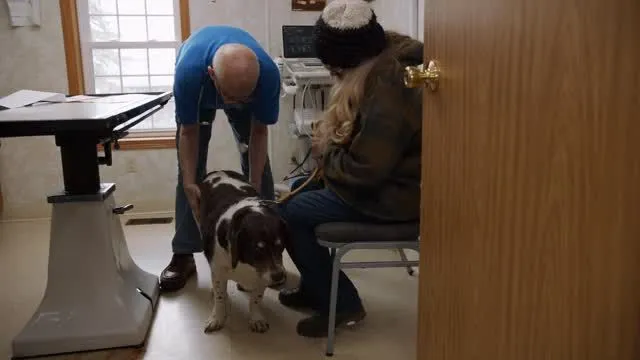
When you make the call, leave out emotional interpretations and focus entirely on the facts. The rescue team needs a clear picture of the environment and the sequence of events that triggered the response.
Describe the physical traits and body language of both animals right before the interaction occurred. Did the dog display a stiffened posture, a hard stare, or a high tail? Was the cat actively fleeing, or were they simply resting nearby with relaxed muscles?
Provide the following details to your coordinator:
- Time and Location: Specify exactly when and where the interaction took place within the home.
- The Trigger: Note if there were toys, food bowls, or sudden loud noises present that might have sparked resource guarding or a startle response.
- Bite Inhibition: Explain whether the dog delivered a warning snap, a single puncture, or multiple bites. This helps behaviorists assess the severity of the dog’s reaction.
- Medical Status: Clearly state the extent of the cat’s injuries and whether emergency veterinary care has already been administered.
Evaluating the Foster Placement

After a severe altercation, the rescue organization will likely require you to keep the animals completely separated. In many cases, they will arrange for the dog to be moved to a home without felines.
It is completely normal to feel a heavy emotional burden when an arrangement fails. You might feel like you let the dog down or compromised your resident cat‘s sanctuary.
Remember that keeping all animals safe is your primary duty as a temporary guardian. If you are struggling with the emotional aftermath of a failed placement, reading about Returning a Foster Dog: Navigating Guilt and Finding the Right Fit can help you process the transition.
Ethical animal welfare prioritizes the well-being of the individual animal over human pride. A failed foster placement simply provides vital data that will help the rescue find a more appropriate, cat-free environment for the dog.
Key Steps for Reporting a Behavioral Incident
- Contact your rescue organization or foster coordinator immediately after both animals are safely secured.
- Prioritize transparency and avoid withholding information, as honest reporting ensures the safety of future adopters and the animals.
- Provide a factual, objective account of the event, detailing body language, triggers, and the severity of the interaction.
- Clearly communicate the time, location, and the current medical status of the injured animal.
4. Implement a Strict Crate and Rotate Protocol
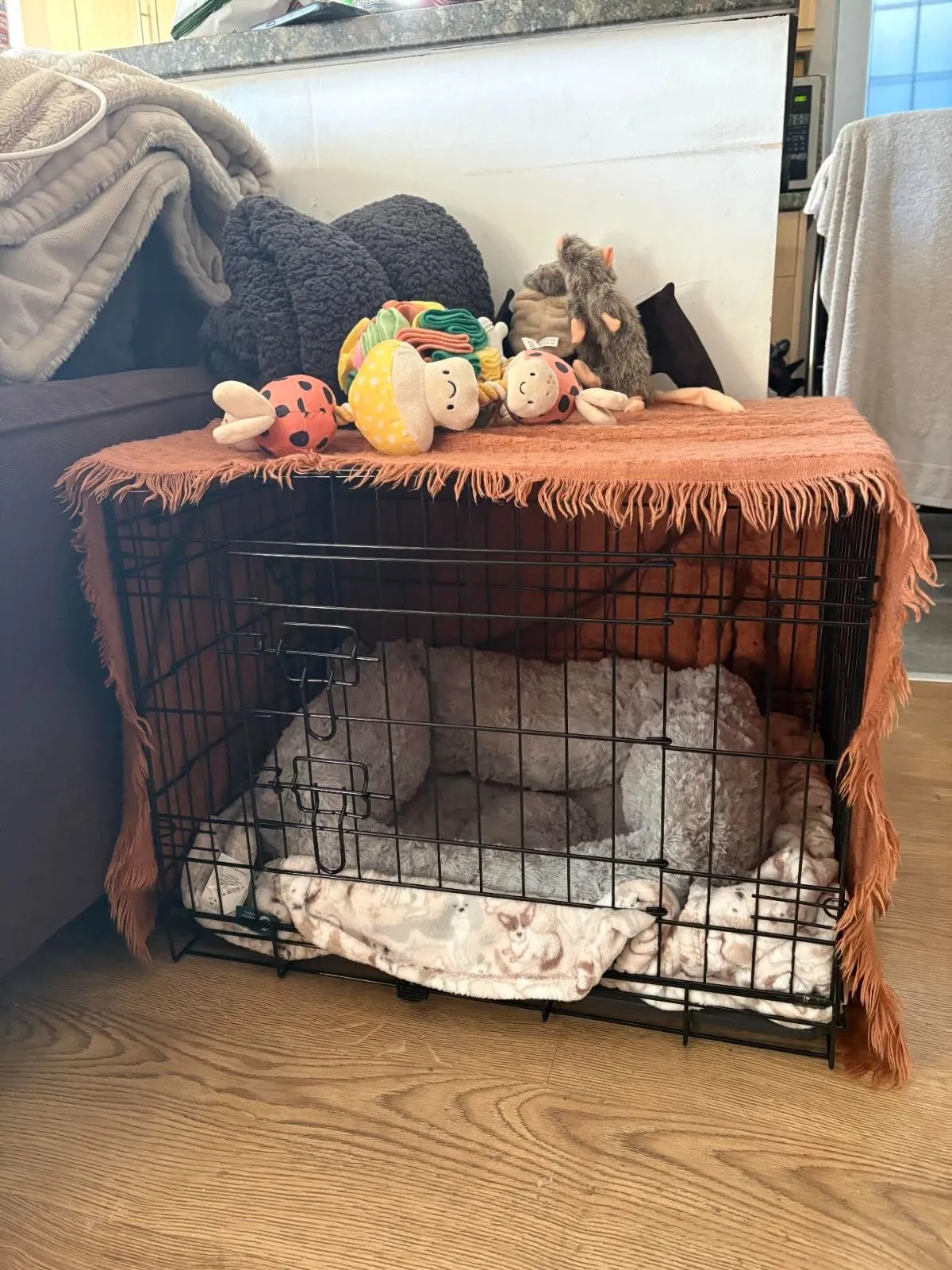
After an aggressive incident, physical separation is no longer optional. It is an immediate requirement for basic animal welfare. You must implement a strict crate and rotate protocol to ensure the safety of both animals.
This management strategy means the foster dog and your resident cat are never allowed in the same physical space at the same time. By keeping them entirely separate, you prevent further physical harm and give their nervous systems time to decompress.
The adrenaline from a traumatic encounter can linger in their bodies for several days.
Providing them with quiet, isolated environments is essential for true stress reduction and healthy animal behavior. Treating your home like a sanctuary during this phase gives both pets the security they desperately need to recover.
Designing Secure Separation Zones

Creating secure zones requires foolproof physical barriers in your home. A simple closed door is often not enough if family members frequently walk in and out. You must use sturdy crates, closed doors, and tall baby gates as secondary backup measures.
If the foster dog is relaxing in the living room, the cat must be secured behind a closed bedroom door. If the cat is roaming the main house, the dog must be comfortably resting in a crate or a separate locked room. Blocking visual access during this time is highly recommended to stop them from staring and triggering each other.
Keep the pets separated for at least a few days. Don’t allow them to interact until they are completely relaxed in each other’s presence.
The Humane Society of the United States, Introducing Dogs and Cats
Executing the Rotation Schedule

Developing a fair schedule ensures that both animals receive the love, exercise, and mental stimulation they need. Balancing this routine can feel overwhelming at first for any human guardian. However, setting alarms and maintaining predictability helps both the animals and your family feel secure.
Incorporating this routine into a busy lifestyle requires excellent time management and dedication to foster care. If you are juggling a career alongside your rescue efforts, reading a guide on how to foster a dog while working full time can provide valuable scheduling strategies.
Best Practices for Crate and Rotate Management:
- Double-check latches on all doors and crates before letting an animal out of their zone.
- Provide high-value enrichment toys in the crates to build positive associations with confinement.
- Avoid letting the animals pass each other in narrow hallways during a rotation swap.
- Ensure that your cat always has unobstructed, safe access to their litter box and fresh water.
True animal rescue is built on patience and management. Creating safe spaces gives both dogs and cats the breathing room they need to heal.
Mistakes during this rehabilitation phase usually happen due to human error, such as leaving a door slightly unlatched. You must treat this management system with absolute seriousness to prevent another dangerous encounter. Consistency and extreme caution are your best tools for ensuring long-term safety in your home.
Key Rules for a Successful Crate and Rotate Protocol
- Immediate physical separation is essential after an aggressive incident to allow adrenaline levels to drop and prevent further trauma.
- Use multi-layered barriers, such as a combination of closed doors, crates, and baby gates, while blocking visual contact to prevent mutual triggering.
- Establish a predictable, scheduled rotation to ensure both the dog and cat receive equal attention, exercise, and mental stimulation.
- Always double-check all door and crate latches before allowing either animal to transition between zones.
5. Reevaluate the Foster Placement with Your Coordinator

After immediate medical needs are addressed, you must contact your foster coordinator. This critical step is never about placing blame; it is strictly about prioritizing the safety of every animal involved in the rescue operation. Shelter organizations rely heavily on your transparent, real-world feedback to fully understand the specific needs of their dogs.
Many dogs possess an intense prey drive that makes them wonderful companions for humans but highly incompatible with felines. Recognizing this mismatch is a vital part of the rehabilitation journey. By speaking up promptly, you help the shelter find a more appropriate home where the dog can thrive without endangering smaller creatures.
Predatory behavior is a deeply ingrained, hardwired sequence. If a dog actively views a household cat as prey, the most compassionate and ethical response is often to transition that dog to a feline-free home where both animals can live without chronic stress.
Dr. Karen Overall, Manual of Clinical Behavioral Medicine
Provide Honest, Detailed Behavioral Reports

When you speak with the rescue coordinator, provide a clear and strictly objective account of the incident. Avoid emotional language and focus entirely on the physical actions you witnessed during the event. Describe the dog’s body language right before the attack, such as a suddenly stiffened posture, an intense and unbroken stare, or pinned-back ears.
This information is absolute gold for the rescue team. It allows them to accurately update the behavioral profile of the dog and guarantees they will not place the animal in another home with cats. Be prepared to discuss these key details with your organization.
- The Immediate Trigger: Was the cat running across the room, sleeping quietly, or eating when the dog reacted?
- Warning Signs: Did the dog vocalize, freeze completely, or fixate on the cat prior to the escalation?
- Intensity of the Reaction: Was it a brief warning snap, a relentless chase, or an uninhibited bite?
- Redirection Success: Could you easily distract the dog with a loud noise, or were they completely hyper-focused on the cat?
Making the Ethical Choice to Return the Dog
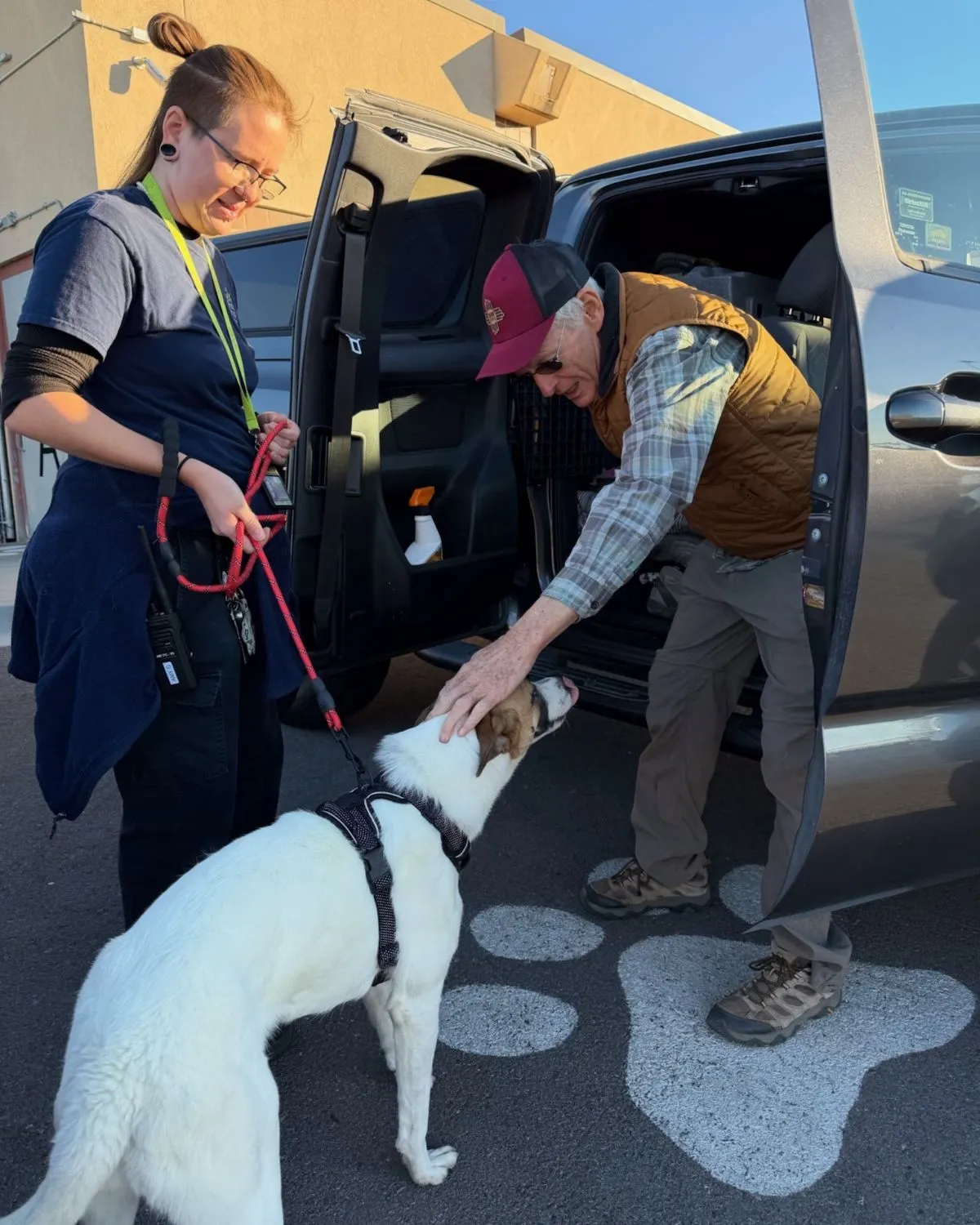
Fostering is meant to save lives and provide a temporary, healing haven for animals in need. However, if your resident cat is living in a state of constant fear or physical danger, the current living situation is no longer sustainable. Animal welfare advocates universally understand that not every home environment is the right fit for every dog.
The role of a responsible pet guardian requires making difficult but deeply necessary decisions. If you feel overwhelmed by the safety risks, returning a foster dog is a proactive choice that protects both animals from severe future trauma.
The shelter will use your invaluable observations to place the dog in a sanctuary setting or a single-pet household where they can truly flourish.
Returning a foster dog because of a safety risk is never a failure; it is a profound act of advocacy that protects both your resident cat and the dog’s future.
Collaborating on Safety: Placement Reevaluation
- Prioritize safety over blame by contacting your foster coordinator immediately after an incident to discuss the dog’s behavioral needs.
- Provide an objective, detailed report focusing on the dog’s triggers, body language, and reaction intensity to update their behavior profile.
- Acknowledge that deep-seated prey drive is hardwired, making a feline-free home the most compassionate and ethical choice for some dogs.
- Understand that returning a foster dog to find a more suitable match is a responsible decision that ensures the well-being of both animals.
Moving Forward with Compassion and Caution
Experiencing an altercation between your foster dog and your resident cat is undoubtedly a terrifying moment for any animal lover.
However, your immediate, calm response can prevent lasting physical and emotional harm. By prioritizing safe separation tactics like using environmental barriers, you protect both the animals and yourself.
Remember that a single incident does not make a foster dog a bad pet, nor does it mean your cat will live in perpetual fear.
It simply highlights the profound need for strict environmental management and a deeper understanding of predatory behaviors. Reach out to your rescue coordinator or a certified animal behaviorist for professional guidance on the next steps.
With patience and expert support, you can make the safest, most compassionate decisions for every furry family member involved.
Frequently Asked Questions About Inter-Species Pet Conflict
It depends entirely on the severity of the attack and the dog’s prey drive. In some cases, slow reintroductions with the help of a certified behaviorist can work. However, if the dog shows intense predatory behavior, rehoming the foster dog to a cat-free environment is the safest, most compassionate choice.
You must keep them completely separated for several days, at a minimum. Both animals need significant time for their cortisol levels to drop and their nervous systems to regulate. Do not rush any visual or physical contact during this crucial decompression phase.
Absolutely not. Punishing the dog will only increase their stress, anxiety, and potential aggression, while damaging the trust you are trying to build. Redirected aggression or high prey drive is an instinctual response, not an act of malice.
Focus entirely on managing their environment and preventing future access instead.
You should notify your rescue coordinator or foster representative immediately after both animals are physically secure and any injuries have been assessed. They need this critical behavioral information to make safe placement decisions and can provide you with professional support and resources.