


Table of Contents
- Select a Foster Dog That Matches Your Work Schedule
- Create a Safe and Enriching Space for When You’re Away
- Establish a Predictable Daily Routine
- Lean on Your Support System and Technology
- Maintain Clear Communication with the Rescue Organization
- A Rewarding Journey of Patience and Presence
- Common Inquiries for the Professional Foster Parent
Opening your home to a foster dog is a profound act of compassion that directly addresses the urgent crisis within our animal shelters. Every empty kennel represents a life preserved and a new opportunity for a vulnerable animal to experience safety.
While the demands of a full-time career may initially seem like a barrier to this mission, your professional routine can actually provide the vital structure that a rescue animal needs to recover and thrive.
Successful fostering while working full time requires a disciplined approach grounded in the principles of animal welfare and behavioral science.
Most dogs do not require constant supervision but rather a predictable environment where they can feel secure and rested. By implementing intentional enrichment strategies, such as providing an Interactive Dog Puzzle Toy, and maintaining a consistent schedule, you serve as a bridge that guides these animals from the chaos of displacement back to the comfort of a stable home.
Your commitment to saving lives is both noble and achievable regardless of your working hours. Fostering is less about the quantity of hours spent together and more about the quality of the advocacy and care you provide during your time at home.
This guide will equip you with the practical tools and expert insights necessary to balance your professional responsibilities with the deeply rewarding work of animal rehabilitation.
The Foster Advocate’s Blueprint for Success
- Prioritize adult or senior dogs over puppies, as mature animals are often house-trained and possess the emotional maturity to handle a standard eight-hour workday.
- Seek out low-to-medium energy ‘couch potatoes’ who will view your quiet home as a peaceful sanctuary for rest while you are away.
- Collaborate transparently with shelter staff to identify resilient, independent dogs and avoid those with severe separation anxiety that requires a constant human presence.
- Focus on matching a dog’s specific temperament to your lifestyle to create a stable, healing environment that allows the animal to truly blossom before finding a forever home.
Select a Foster Dog That Matches Your Work Schedule
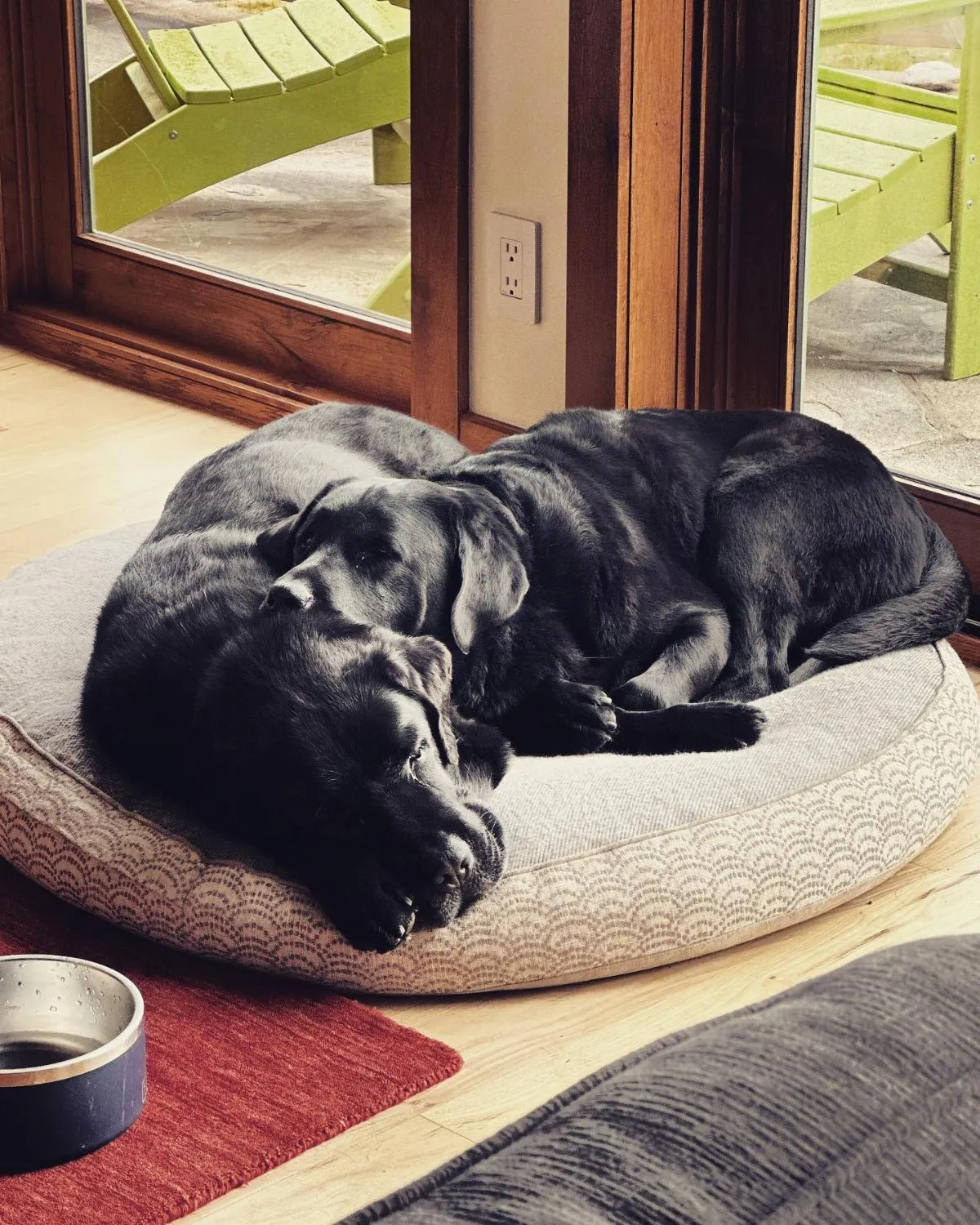
The single most important step for a successful foster experience while working full time is choosing the right dog. Not every animal in a shelter is prepared for a quiet home that is empty for eight hours a day.
Your goal is to provide a stable, healing environment, and that begins by being realistic about your availability and matching it with a dog’s specific emotional and physical needs.
A thoughtful match prevents stress for both you and the dog, creating a positive transition period that allows the animal to truly blossom while awaiting their forever family.
Understanding Different Needs: Puppies vs. Adult Dogs
View Puppy Training Pads on Amazon
While tiny puppies are undeniably adorable, they are generally not a suitable choice for foster guardians who are away from home for long stretches.
Puppies require constant supervision, potty breaks every two to three hours, and intensive socialization to grow into well-adjusted adults.
Leaving a puppy alone for a full workday can lead to accidents, destructive behaviors born of boredom, and critical gaps in their social development. It is a demanding commitment that is difficult to meet without the flexibility to be home frequently throughout the day.
In contrast, adult and senior dogs often make exceptional foster companions for full-time workers. Most adult dogs are already house-trained and have outgrown the chaotic puppy energy.
They have established personalities, making it easier for shelter staff to match you with a dog whose temperament fits a quieter lifestyle.
Many of these mature dogs are simply looking for a calm, predictable environment where they can decompress from the stress of the shelter, often with the help of a Calming Pheromone Diffuser.
They are more likely to spend the day sleeping and will greet you with quiet appreciation when you return.
Oftentimes, a lot of adult dogs are already house-trained, they already know some basic cues and they’re a little bit more relaxed and able to settle in a home environment.
Lindsay Hamrick, Humane Society of the United States
📢 Humane Society of the United States
Global
Global NGO: A major non-profit organization focused on animal protection, policy advocacy, and providing resources for animal welfare professionals.
- One of the largest animal welfare organizations in the world
- Provides extensive guides and expert advice for fostering shelter animals
- Advocates for humane legislation and policy changes at national and global levels
Assessing Energy Level and Temperament

Beyond age, a dog’s energy level and temperament are critical factors. A low-to-medium energy dog, often affectionately called a “couch potato,” will be perfectly content to lounge and nap while you are away, as long as their exercise needs are met in the morning and evening.
Conversely, a high-energy dog from a working breed lineage may develop anxiety or destructive habits if left under-stimulated for long periods. Be transparent with the foster coordinator about your activity level and the amount of exercise you can realistically provide before and after work.
Similarly, consider a dog’s known history with being alone. While many dogs adjust beautifully, a dog with a documented history of severe separation anxiety will require a foster home with someone who is present most of the day to work on behavior modification.
The shelter staff and volunteers have invaluable insights into each dog’s personality. They can guide you toward a resilient, independent dog who will see your quiet home as a peaceful sanctuary, not a source of distress.
Fostering isn’t about finding a perfect dog, but about being the perfect temporary home for the dog that needs you right now.
| Trait | Ideal for Full-Time Workers | More Challenging for Full-Time Workers |
|---|---|---|
| Age | Adult (2+ years) or Senior | Puppy (under 1 year) |
| Energy Level | Low to Medium | High / Very High |
| Training Status | House-trained, knows basic cues | Requires house-training and basic obedience |
| Medical Needs | Healthy or has manageable conditions (e.g., daily pill) | Complex medical care requiring midday attention |
| Temperament | Independent, calm, adaptable | Known severe separation anxiety or high arousal |
The Perfect Match: Dog Fostering for the 9-to-5
- Prioritize adult or senior dogs over puppies as they are typically house-trained and better equipped for independent time.
- Seek out low-to-medium energy dogs who are comfortable lounging while you are away avoiding high-energy working breeds.
- Be honest with foster coordinators about your hours to ensure you are matched with a dog that can handle 8-hour solo stretches.
- Recognize that puppies require frequent potty breaks and intensive socialization which makes them a difficult fit for those away from home for long periods.
Create a Safe and Enriching Space for When You’re Away
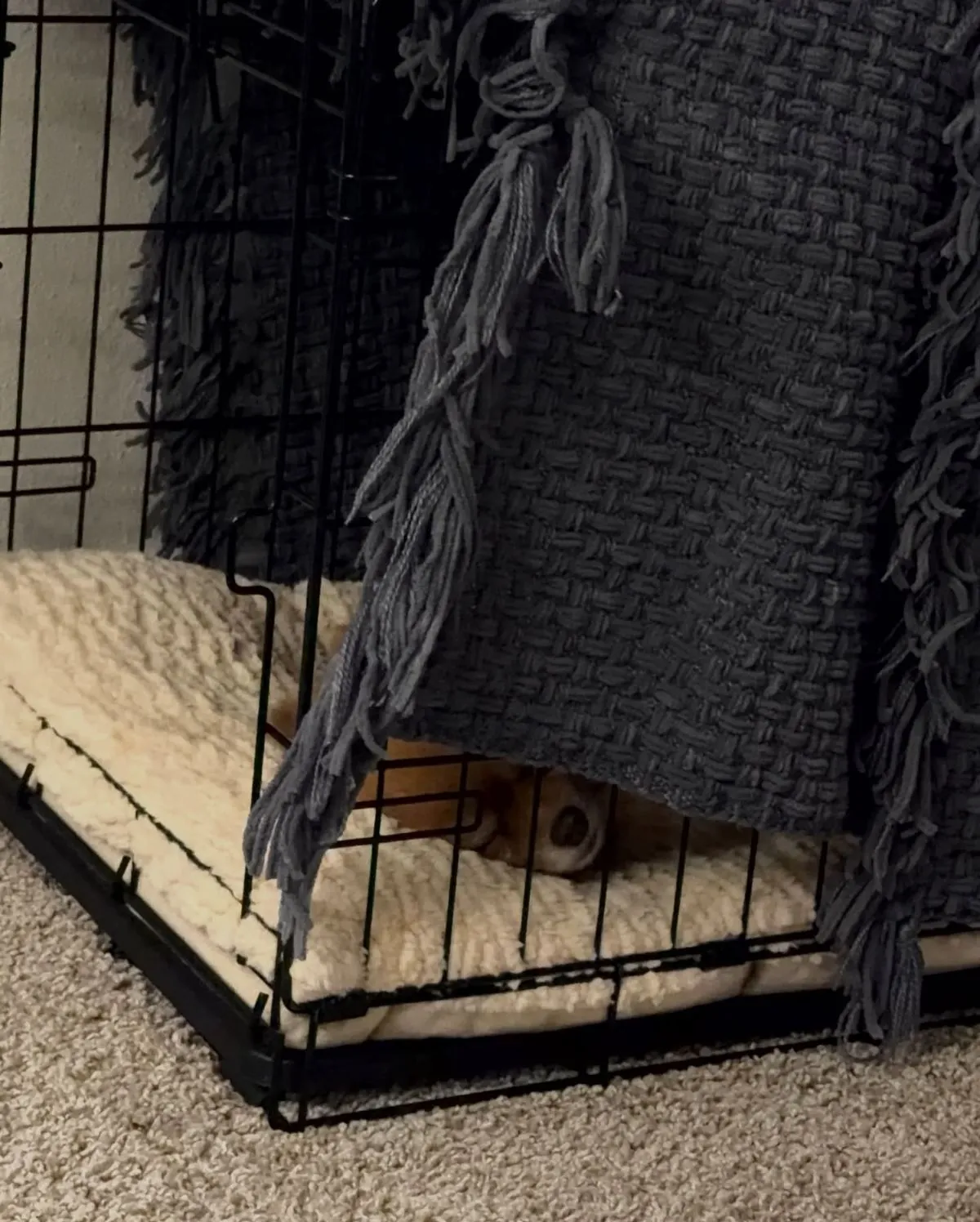
Preparing your home for a foster dog is about more than just providing a roof over their head; it’s about creating a sanctuary that supports their emotional and physical well-being, especially when you are at work.
The first step is to thoroughly “dog-proof” the area where they will be spending their time alone. This involves getting down to their level to spot potential hazards, such as exposed electrical cords, toxic houseplants, or small objects they could swallow.
Securing trash cans, closing off access to certain rooms, and ensuring all chemicals are stored out of reach are crucial steps in establishing a truly safe environment for a dog who may be feeling stressed or overly curious in their new surroundings.
Establish a Comfortable Den
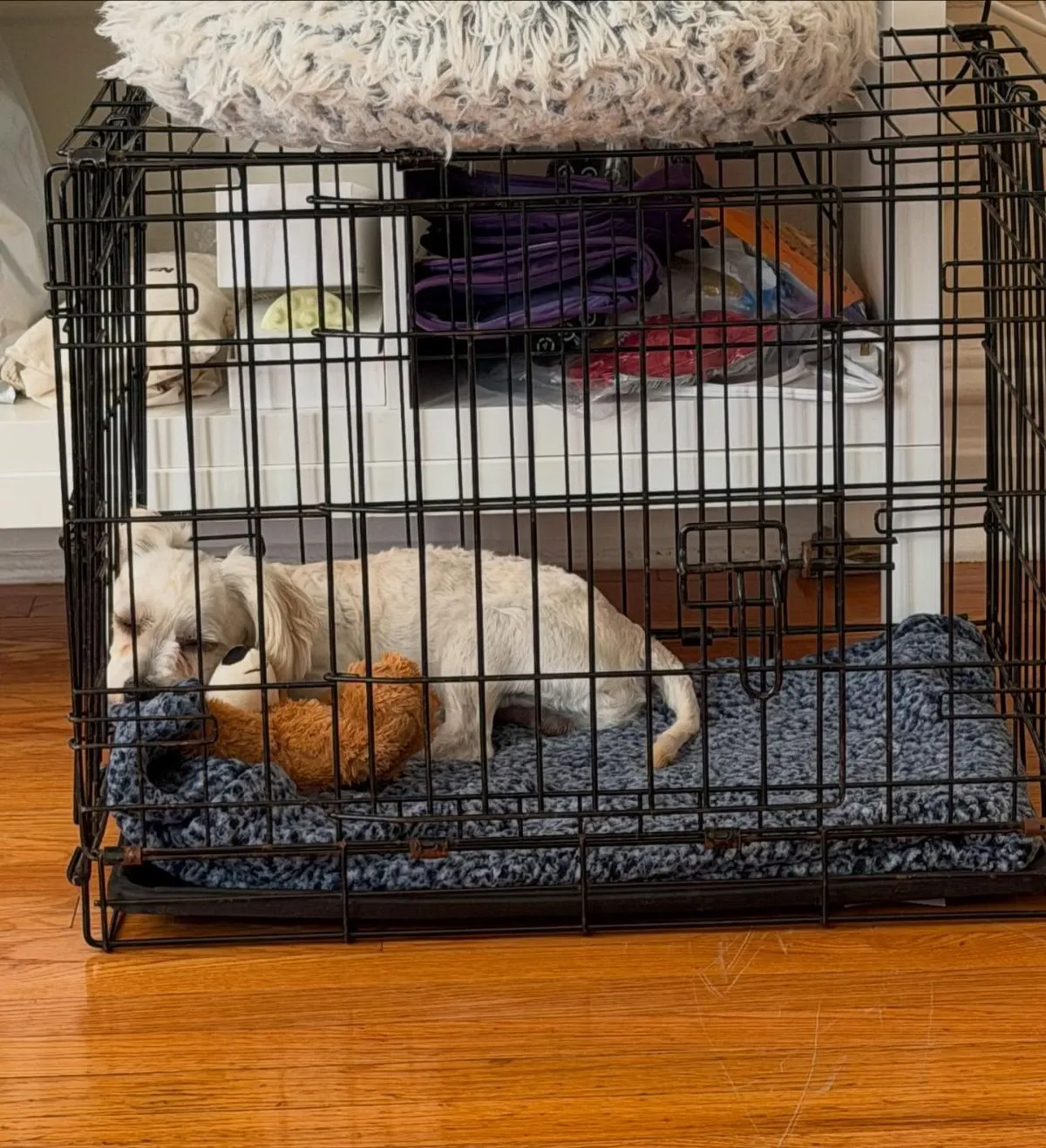
Dogs, by nature, are den animals and often find immense comfort in having a small, secure space to call their own. Designate a specific area, such as a sturdy crate or a quiet corner with a comfortable bed, as your foster dog’s personal den.
Make this space highly positive by feeding them meals there, offering special treats, and filling it with soft bedding and safe toys. Never use the crate or den as a form of punishment.
The goal is for the dog to see this area as a voluntary retreat, a place of ultimate safety and relaxation where they can decompress while you are away, which helps to alleviate separation anxiety and destructive behaviors.
A foster dog’s journey to trust begins with a space where they feel completely and utterly safe, even when they’re alone.
Provide Mental and Physical Enrichment
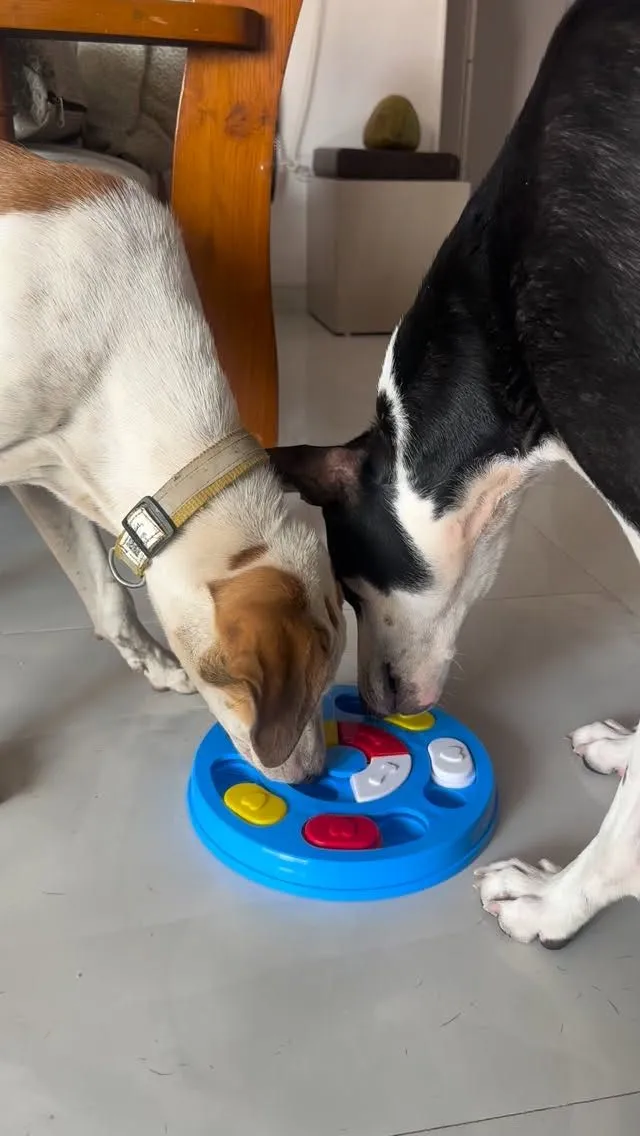
A bored dog is often a destructive dog. Preventing boredom is essential for a foster dog who spends several hours alone each day.
Mental enrichment and appropriate outlets for their energy can make a world of difference in their adjustment and behavior. Instead of leaving their food in a simple bowl, use puzzle feeders or treat-dispensing toys that require them to problem-solve.
This not only makes mealtime more engaging but also helps to tire them out mentally. A well-exercised and mentally stimulated dog is far more likely to rest calmly while you are at work, feeling fulfilled and content.
Enrichment isn’t just about giving our dogs something to do, it’s about providing them with opportunities to engage in their natural behaviors. Chewing, sniffing, playing, and problem-solving are all important behaviors that can help our dogs stay happy and healthy.
Zazie Todd, Companion Animal Psychology
To keep your foster dog engaged, consider rotating a variety of safe and durable toys. This prevents them from getting bored with the same items day after day.
- Puzzle Feeders: These toys require dogs to use their noses and paws to get food out, turning mealtime into a fun challenge.
- Durable Chew Toys: Offering items specifically designed for chewing, like hard rubber toys, can satisfy their natural urge to chew and protect your furniture. Ensure they are size-appropriate and indestructible for your specific foster dog.
- Lick Mats: Spreading a dog-safe food like plain yogurt or pumpkin puree on a textured mat and freezing it can provide a long-lasting, calming activity.
- Snuffle Mats: These fabric mats have strips where you can hide dry kibble, encouraging your dog to use their powerful sense of smell to forage for their food.
- Calming Music or Audiobooks: Leaving on quiet, calming music or the sound of a human voice can help soothe anxious dogs and make the house feel less empty.
By thoughtfully designing their environment, you provide the structure and stimulation necessary for a foster dog to thrive.
This preparation sets the foundation for a successful foster experience, allowing the dog to build confidence and feel secure as they await their forever home.
The effort you put into creating this space communicates safety and care, which are the most important gifts you can give a rescue animal.
Creating a Safe Home Sanctuary
- Thoroughly dog-proof the environment by securing hazards like electrical cords, toxic plants, and household chemicals at the dog’s eye level.
- Establish a positive, punishment-free den or crate area with soft bedding to provide a secure retreat during your absence.
- Combat boredom and destructive behavior by replacing standard bowls with puzzle feeders and treat-dispensing toys for mental enrichment.
- Satisfy natural instincts by rotating durable toys and providing opportunities for chewing, sniffing, and problem-solving.
📢 Companion Animal Psychology
Global
Educational Resource: A resource providing evidence-based information on animal behavior and the science of the human-animal bond.
- Founded by Zazie Todd to promote animal welfare through science
- Focuses on positive reinforcement and mental enrichment techniques
- Offers detailed insights into providing natural behavior outlets for pets

Meet Lucy!
Lucy is a calm, easygoing senior bulldog mix who is the ultimate couch potato, making her an ideal companion for a low-key household.
Adopt MeEstablish a Predictable Daily Routine

For a dog transitioning from the unpredictable and often stressful environment of a shelter, a consistent daily routine is not just a convenience; it is a powerful tool for building trust and security.
Many rescue dogs have experienced instability, so knowing what to expect from one moment to the next can dramatically reduce their anxiety and help them settle into a new home.
This predictability communicates safety and lets them know they can finally relax. By establishing set times for meals, walks, potty breaks, and quiet time, you create a stable framework that helps them understand their new world and your role as a reliable guardian.
A consistent schedule is more than just a routine; it’s a promise to your foster dog that they are finally safe.
Crafting a Consistent Daily Flow

Your full-time work schedule provides the perfect anchor for a foster dog’s routine. While every dog’s needs will vary based on age, energy level, and medical history, a foundational schedule provides a great starting point.
The goal is to create a rhythm that is manageable for you and comforting for them, ensuring their needs are met before you leave, while you are away, and when you return.
Remember that consistency is more important than perfection; the dog learns to trust the pattern you establish.
A balanced routine should incorporate physical exercise, mental stimulation, and periods of rest. Here is a sample structure you can adapt to your own workday and your foster dog’s specific needs:
- Morning (Before Work): Start the day with a calm but purposeful potty break, followed by their breakfast. After they eat, engage in a 15 to 30 minute walk or a brief play session to expend some energy. This helps them settle down more easily once you leave.
- Midday (During Work): This is the longest stretch and requires the most planning. Arrange for a dog walker, a trusted neighbor, or a pet sitter to come by for a midday potty break and some light exercise. This break is crucial for preventing accidents and alleviating boredom.
- Evening (After Work): The moment you walk in the door, take them out for an immediate potty break. Your return should signal a time for connection, including their dinner, a longer walk, and dedicated playtime or training. This is your primary opportunity to bond and work on socialization skills.
- Bedtime: Wind down the evening with quiet activities like gentle petting or a chew toy. A final, brief potty break right before you turn in for the night helps ensure a clean and restful sleep for everyone.
Dogs thrive on predictability… A predictable schedule helps your dog feel secure because he knows what’s going to happen and when. If your dog knows he’ll be fed and walked at the same time every day, he’s less likely to be anxious, because his basic needs are being met in a reliable way.
Dr. Marty Becker, VetStreet
Sticking to this schedule, especially during the first few weeks, will help your foster dog adapt more quickly and build confidence.
You will likely see a visible change as they transform from an anxious, uncertain animal into a relaxed companion who understands the comforting rhythm of their new life.
For more tips on animal welfare and rescue, feel free to explore our blog for additional resources.
The Power of a Consistent Daily Rhythm
- Predictability serves as a powerful tool for building trust, helping rescue dogs feel safe by reducing the anxiety of an unknown environment.
- A structured framework of meals, walks, and potty breaks allows a dog to settle into their new world and understand your role as a reliable guardian.
- For full-time workers, arranging a midday visit from a dog walker or neighbor is crucial for preventing accidents and alleviating boredom.
- Balancing morning exercise with evening bonding time ensures the dog’s physical and emotional needs are met while maintaining a manageable workflow.
Morning (Before Work)
Potty break, breakfast, and 15-30 minute walk or play session.
Expending energy early helps the dog settle more easily when you leave.
Midday (During Work)
Midday potty break and light exercise provided by a walker or sitter.
Crucial for preventing accidents and providing mental relief during the longest stretch.
Evening (After Work)
Primary interaction, exercise, and dinner routine.
A time for rebuilding the bond and ensuring all physical needs are met.
Lean on Your Support System and Technology, such as a Dog Monitoring Camera

Fostering a dog while maintaining a full time career is far from an isolated endeavor. It requires a village of compassionate individuals and a suite of modern tools to ensure the animal remains safe, stimulated, and comfortable throughout the day.
When you step into the role of a guardian, you are not just taking an animal into your home; you are becoming the bridge between their past hardships and a bright future.
A robust support system alleviates the pressure of being away for eight hours, allowing you to focus on your professional responsibilities while knowing your foster charge is thriving in a secure environment.
This collaborative approach ensures that the dog experiences a consistent routine, which is vital for building trust and reducing the anxiety often seen in rescue animals.
Success in fostering isn’t measured by how much time you spend at home, but by the quality of the support system you build around the animal in your care.
Networking Within the Rescue Community

The rescue organization you partner with is your primary line of defense against burnout and logistical hurdles. Most established shelters have dedicated foster coordinators who can connect you with other volunteers willing to help with midday walks or transport to veterinary appointments.
If you find yourself feeling overwhelmed or navigating social hurdles, you might find solace in connecting with an animal shelter volunteer who understands the unique emotional landscape of rescue work.
These connections provide more than just physical help; they offer a community of practice where you can share behavioral observations, such as the subtle way a fearful Labrador mix begins to wag its tail or how a senior Beagle finds comfort in a sunlit patch of the kitchen floor.
Beyond the formal rescue structure, do not underestimate the power of a supportive neighborhood. Neighbors who work from home or retirees can often be recruited to check in on your foster dog for a quick potty break or a few minutes of companionship.
This social interaction is incredibly beneficial for the animal, as it exposes them to different people in a controlled and positive manner.
Always ensure that anyone interacting with your foster dog is fully briefed on their specific behavioral needs and any safety protocols, such as double-leashing or avoiding certain triggers like loud noises or heavy machinery. This collective vigilance creates a safety net that protects the dog and gives you peace of mind while at the office.
The key is to create a culture where foster parents feel like they are part of a team. When people feel supported, they are more likely to continue fostering and more likely to recommend it to others.
Dr. Emily Weiss, ASPCA Vice President of Shelter Research and Development
Leveraging Smart Technology for Peace of Mind

Modern technology has revolutionized the way we care for animals in our absence. High-definition pet cameras allow you to monitor your foster dog in real time, providing valuable data on their behavior while you are away.
You can observe if the dog is pacing, barking, or resting quietly, which is essential information to share with the rescue group regarding the animal’s progress and potential separation anxiety.
Some cameras even feature two-way audio, allowing you to soothe a restless pup with the familiar sound of your voice or dispense a treat remotely to reinforce calm behavior.
This digital window into their world ensures that any signs of distress are caught early, allowing for quick adjustments to their environment or routine.
In addition to monitoring, automated tools can help maintain a strict schedule, which is paramount for a dog’s sense of security.
Smart feeders ensure that meals are delivered at the same time every day, preventing the anxiety that can stem from hunger. Mental stimulation is equally important for a dog left alone; interactive puzzle toys that release kibble or treats can keep a curious mind engaged for hours.
For guardians looking to balance technology with physical support, several apps connect you with professional, vetted dog walkers who can provide the midday exercise your foster dog needs to stay healthy and relaxed.
Using these tools effectively transforms your home into a sanctuary that supports the dog’s autonomy and well-being even when you are not physically present.
| Support Type | Benefit for the Foster Dog | Benefit for the Guardian |
|---|---|---|
| Pet Monitoring Cameras | Allows for early detection of separation anxiety or distress. | Reduces work-day stress and provides behavioral data. |
| Professional Dog Walkers | Ensures physical exercise and a mid-day bathroom break. | Prevents accidents at home and burns off dog’s excess energy. |
| Rescue Mentor Groups | Provides access to expert behavioral and medical advice. | Offers emotional support and a sense of community. |
| Interactive Smart Toys | Promotes cognitive health and reduces boredom-based chewing. | Protects furniture and home items from destructive behavior. |
Ultimately, the goal of using these systems is to foster a sense of stability. A dog that knows when their food is coming, when they will see a friendly face, and that their environment is safe is a dog that is ready to be successfully rehomed.
By leaning on your support network and the latest technological advancements, you ensure that the transition from a shelter cage to a loving forever home is as seamless as possible.
This preparation demonstrates a deep commitment to animal welfare, proving that even with a busy professional life, you can provide a high standard of care for a vulnerable animal in need.
Building Your Foster Village
- Utilize rescue organization resources like foster coordinators and fellow volunteers for midday help with walks and transport.
- Recruit supportive neighbors, such as retirees or remote workers, to provide short potty breaks and consistent social interaction.
- Connect with the local rescue community to share behavioral insights and find emotional support from peers who understand foster challenges.
- Ensure every member of your support network is thoroughly briefed on the dog’s specific safety protocols and behavioral triggers.
Maintain Clear Communication with the Rescue Organization
Open and consistent communication serves as the essential bridge between a foster guardian and the rescue organization, especially when balancing the demands of a full-time career.
Because the dog spends a significant portion of the day adjusting to your specific work-life routine, you possess unique insights into their adaptability that the rescue staff cannot observe in a kennel environment.
Sharing these observations allows the organization to refine the dog’s profile, ensuring that the eventual permanent placement is a perfect match for both the animal and the new family.
Establishing a reliable feedback loop creates a safety net for the animal, ensuring that any subtle shifts in health or temperament are addressed immediately by the rescue professionals.
When you first begin your journey, it is helpful to establish preferred methods of contact that align with your professional schedule.
If your job involves frequent meetings or a high-paced environment, you might prefer communicating through detailed weekly emails or a shared digital log rather than unscheduled phone calls.
For those who may feel overwhelmed by verbal interactions, exploring an animal shelter volunteer with social anxiety approach can offer guidance on managing communication through quiet, written roles.
Providing the rescue with a clear picture of your availability ensures that they do not reach out during your most critical work hours while still keeping the lines of advocacy open for the animal in your care.
Effective communication between the foster home and the shelter is crucial for the animal’s well-being and the success of the foster program.
Dr. Sheila Segurson, DVM, DACVB, Maddie’s Fund
Documenting Daily Progress and Behavioral Shifts
Maintaining a simple daily log is one of the most effective ways to support a rescue dog while working full time.
You can note how the dog reacts when you leave for the office, their energy levels when you return, and any progress they make with house training or basic commands.
These small details provide a vivid picture of the dog’s personality, such as whether they are a “velcro dog” who craves constant companionship or a more independent spirit who enjoys quiet afternoons in a sunlit corner.
By documenting these traits, you help the rescue organization write compelling and accurate adoption bios that highlight the dog’s true character and behavioral milestones.
In addition to behavioral notes, it is critical to keep the organization updated on the dog’s physical health and any environmental stressors they may encounter.
If you notice a change in appetite or a sudden sensitivity to loud city noises during your evening walks, this information should be relayed to your foster coordinator promptly.
Most organizations have a specific contact protocol for medical concerns, so ensure you have those emergency numbers saved in your phone.
Quick reporting of these issues allows the rescue to provide the necessary veterinary support or training resources before a minor habit becomes a significant hurdle for the dog’s future adoption.
Your observations are the voice of a foster dog, telling the story of who they are when they finally feel safe and loved.
Coordinating Adoption Logistics and Meet-and-Greets

Managing adoption inquiries and meet-and-greet sessions requires a high level of coordination when you are also managing a full-time career.
It is important to set clear boundaries with the rescue organization regarding when you are available to host potential adopters or transport the dog to adoption events.
Most rescues are incredibly grateful for your time and will work around your weekend or evening availability to ensure the process is sustainable for you.
By being transparent about your schedule from the start, you prevent burnout and ensure that every interaction the dog has with a potential new guardian is calm, focused, and positive.
To help streamline this process, consider using a structured approach to share information with the rescue.
Using a simple table or list to categorize the dog’s needs can help the rescue team quickly identify which applicants are the best fit for your foster pet’s specific lifestyle.
This collaborative effort ensures that the dog moves from your foster care into a permanent home that can provide the same level of safety and structure you have worked hard to establish.
| Information Category | What to Share with the Rescue | Benefit for the Dog |
|---|---|---|
| Workday Behavior | How the dog handles 4 to 8 hours of alone time. | Identifies if the dog needs a home with a stay-at-home guardian. |
| Energy Levels | Activity needs after a long day at the office. | Matches the dog with a family that has a compatible activity level. |
| Training Progress | Success with crate training or leash manners. | Shows potential adopters the dog’s willingness to learn. |
| Environmental Triggers | Reactions to mail carriers, delivery trucks, or neighbors. | Ensures the dog is placed in a suitable neighborhood or housing type. |
Ultimately, the goal of this communication is to act as a guardian and advocate for a creature that cannot speak for itself. Your detailed updates and honest feedback provide the roadmap for the dog’s journey toward a forever home.
By working as a unified team with the rescue organization, you ensure that even with a busy work schedule, you are providing the highest standard of animal welfare and contributing to the global mission of habitat protection and domestic pet rehabilitation.
Communication Essentials for Busy Fosters
- Align communication methods, such as weekly emails or digital logs, with your professional schedule to ensure consistent updates without work disruptions.
- Document daily behavioral milestones and energy levels to provide the rescue with accurate insights for the dog’s permanent adoption profile.
- Immediately report shifts in physical health or environmental stressors to foster coordinators to maintain a reliable safety net for the animal.
A Rewarding Journey of Patience and Presence
Fostering a dog while maintaining a full-time career is not only possible but deeply rewarding when approached with a realistic mindset and a compassionate heart.
By prioritizing the needs of the animal over the initial excitement of fostering a puppy, you create a stable bridge between the stress of the shelter and the comfort of a permanent home.
This commitment requires a dedicated balance of morning walks and evening enrichment, ensuring that your absence during the day is countered by the quality of the time you spend together when you return.
Choosing an adult or senior dog often serves as the most effective strategy for those with a standard workday, as these seasoned companions typically offer the emotional maturity and physical stamina needed to handle solitude.
While the journey involves logistical adjustments and thoughtful planning, the sight of a once-anxious shelter dog peacefully sleeping on your rug makes every effort worthwhile.
Your role as a foster guardian provides more than just a roof; it offers a lifeline that allows these animals to rediscover their confidence and eventually find the forever families they truly deserve.
Common Inquiries for the Professional Foster Parent
Most adult dogs can safely stay home for about eight hours, provided they have access to fresh water and a comfortable resting area. If your commute or shifts extend beyond this window, it is highly recommended to hire a dog walker or ask a trusted neighbor to provide a mid-day potty break. Ensuring your dog is well-exercised before you leave in the morning will also help them settle into a restful nap while you are away.
Accidents are a natural part of the decompression process as a dog adjusts to a new environment and a specific house-training schedule. It is important to approach these situations with patience and empathy, using enzyme-based cleaners to remove odors and reinforcing positive potty habits when you are present. If accidents persist, it may be a sign that the dog needs more frequent breaks or that you should transition to a dog with more established house-training.
While individual temperament is more important than breed, certain groups like retired Greyhounds or older Basset Hounds are often famous for being couch potatoes who enjoy long periods of rest. Conversely, high-energy working breeds like Border Collies may struggle with long periods of isolation without significant mental stimulation. Working closely with your shelter foster coordinator will help you identify an individual dog whose personality aligns with your quiet home life regardless of their breed.
If your schedule allows, starting your foster journey on a Friday or taking a few days of leave can be incredibly beneficial for the dog’s transition. This settling-in period allows you to observe their behavior, establish a consistent routine, and address any immediate anxieties they may have before they are left alone for a full workday. It also provides an essential opportunity for you to build a foundational bond of trust, which is critical for a successful long-term foster experience.