

Table of Contents
- 1. The Storyteller Template: Capturing Their Rescue Journey
- 2. The Resume Format: Highlighting Good Behaviors And Skills
- 3. The Dating Profile Approach: Adding Humor And Personality
- 4. The Special Needs Showcase: Framing Medical Or Behavioral Challenges Positively
- 5. The Lifestyle Matchmaker: Targeting The Ideal Adopter’s Daily Routine
- Beyond the Screen: Writing Their Way Home
- Frequently Asked Questions About Foster Dog Bios
Every animal, from a vulnerable wild creature to a shelter dog awaiting a home, possesses a unique story that deserves to be understood. As temporary guardians, our most critical task is translating their silent experiences into a language that touches human hearts.
A foster dog bio is far more than a simple list of traits; it is a vital lifeline that bridges their past survival with a secure, loving future.
Writing an impactful profile requires both keen observation and deep empathy. This is similar to documenting the behavior of a recovering species in a rehabilitation center. We must represent their needs with absolute honesty while celebrating their resilience and capacity for joy.
By focusing on their distinct personalities and specific behavioral needs, we help potential adopters visualize a harmonious, permanent partnership.
This guide provides structured, compassionate templates designed to transform clinical descriptions into compelling narratives of hope. Every carefully chosen word has the potential to spark a connection that saves a life.
Together, we can write the crucial turning point in their stories, guiding these deserving animals out of the shelter system and into the safety of their forever homes.
The Adoption Profile Blueprint
- Craft foster dog bios that beautifully bridge the gap between a difficult rescue past and a hopeful, loving future.
- Prioritize the animal’s current resilience and unique quirks, avoiding graphic or sensationalized details of past trauma.
- Use structured storytelling to frame behavioral needs gracefully, inviting potential adopters to be part of the dog’s next chapter.
- Embrace profile writing as a vital remote advocacy tool that actively helps secure safe homes for vulnerable animals.
1. The Storyteller Template: Capturing Their Rescue Journey

Every foster dog has a past, but their future is what truly matters in an adoption profile.
The Storyteller Template focuses on the remarkable resilience of animals navigating the rescue system. It bridges the gap between their difficult beginnings and their hopeful tomorrow.
View ThunderShirt Sport Dog Anxiety Jacket on AmazonBy sharing their personal history gracefully, you invite potential guardians to become the hero of the dog’s next chapter.
The spark of life returning to their eyes after weeks of foster care, while they rest comfortably on a Bedsure Orthopedic Dog Bed, is a powerful narrative. It helps families connect emotionally before they ever meet the dog in person.
The best rescue bios do not just share a dog’s past; they invite an adopter to be part of their beautiful future.
The Past
Acknowledging difficult beginnings and hardships
Acknowledge gracefully without sensationalizing trauma.
Foster Period
Rehabilitation and recovery progress
Document the spark of life returning to their eyes.
Current Status
Establishing a typical daily routine in foster care
Detail morning walks with the Rabbitgoo No-Pull Dog Harness and unwinding habits.
Future
Transitioning to a forever home
Frame the adopter as the hero of the dog’s next chapter.
Finding the Balance Between Hardship and Hope
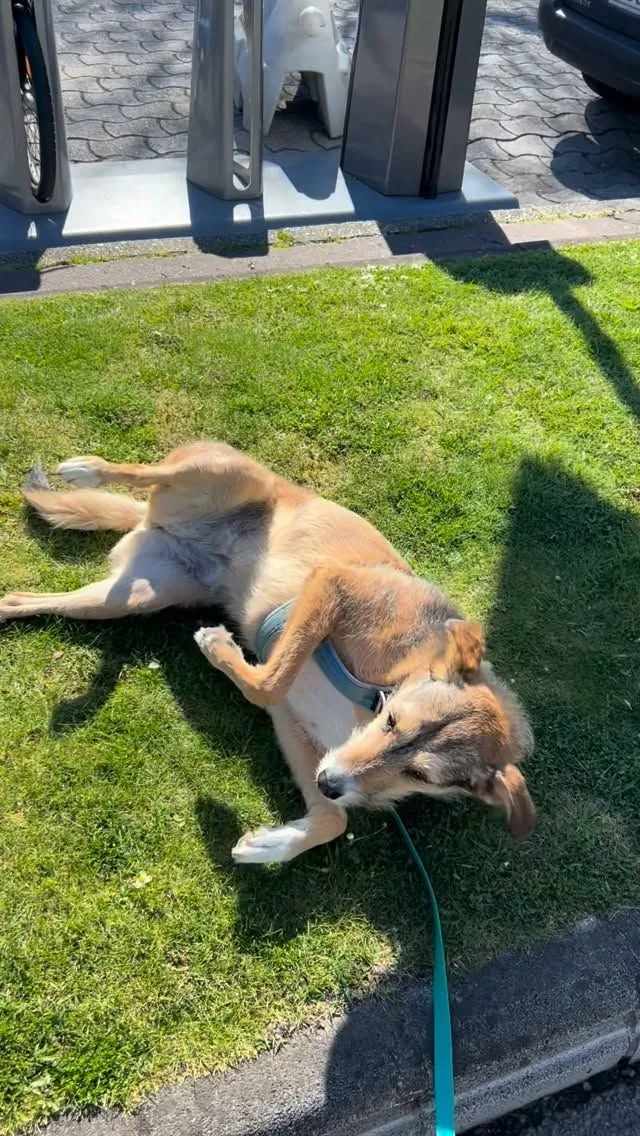
When crafting a narrative profile, authenticity is your greatest asset. It is important to acknowledge where the dog came from while prioritizing their current rehabilitation progress. You want to evoke empathy without overwhelming the reader with tragic details.
Avoid using words that sensationalize their struggles or portray them as permanently broken. Instead, highlight their adaptability and the quirky behaviors they have developed in a safe environment. Writing compelling stories for shelter pets is a highly specialized and valuable skill.
In fact, crafting these bios is one of the most impactful remote volunteer opportunities for animal rescue available today. Right from your keyboard, you can actively advocate for vulnerable animals and help secure them a loving home.
Focusing on positive, observable behaviors helps potential adopters envision the pet in their home. Highlight the animal’s resilience rather than dwelling exclusively on their past trauma.
ASPCApro, How to Write Pet Profiles That Get Attention
📢 ASPCApro
National
National Resource Hub: ASPCApro provides resources and tools for animal welfare professionals to improve shelter operations and adoption rates.
- Advocates for behavior-based storytelling over trauma narratives
- Provides research-backed pet profile strategies
- Supports shelter professionals with marketing education
The Complete Storyteller Format
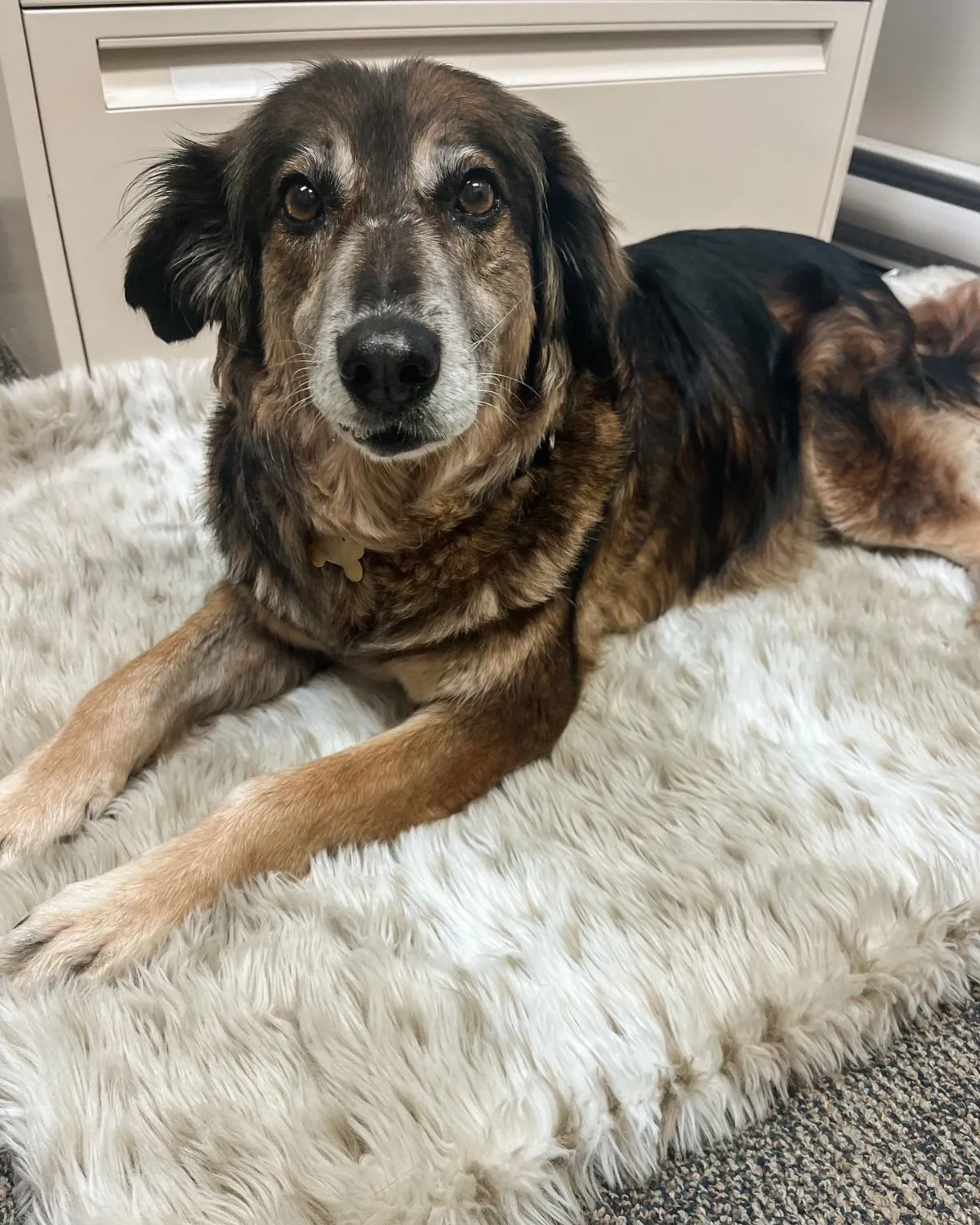
Use this structured approach to guide your writing process. It ensures you cover all essential details while maintaining a heartwarming and engaging tone. Before you start writing, understand the ethical difference between sharing a journey and oversharing trauma.
| Storytelling Element | Recommended Approach (Do) | What to Avoid (Don’t) |
|---|---|---|
| Background History | ✅ Describe how they overcame challenges to thrive today. | ❌ Write graphic or deeply distressing details about their past. |
| Personality Traits | ✅ Share specific, endearing quirks like carrying a favorite toy. | ❌ Rely entirely on generic adjectives like “sweet” or “cute”. |
| Behavioral Needs | ✅ Frame boundaries as preferences for a quiet, gentle household. | ❌ Use negative labels or focus heavily on their fears. |
Start your bio with a catchy hook that introduces their name and their most charming physical trait.
Follow this with a brief, gentle glimpse into their past. Frame their previous hardships as hurdles they have successfully cleared thanks to dedicated foster care.
Next, describe what a typical day looks like with them in your home. Mention their morning routine, favorite walking spots, and how they like to unwind.
This helps potential guardians visualize the animal fitting seamlessly into their own daily life.
Finally, end the profile with a clear and positive call to action. Outline the lifestyle of their ideal forever home and invite interested families to fill out an application. Ultimately, a well-told story transforms a simple shelter listing into an irresistible invitation to love.
Crafting a Resilient Rescue Tale
- Bridge the gap between a foster dog’s past and their hopeful future to invite adopters into their next chapter.
- Balance hardship and hope by acknowledging their history without overwhelming the reader with tragic details.
- Highlight the dog’s adaptability, resilience, and quirks rather than portraying them as permanently broken.
- Focus on positive, observable behaviors that help families easily envision the pet thriving in their own home.
2. The Resume Format: Highlighting Good Behaviors And Skills
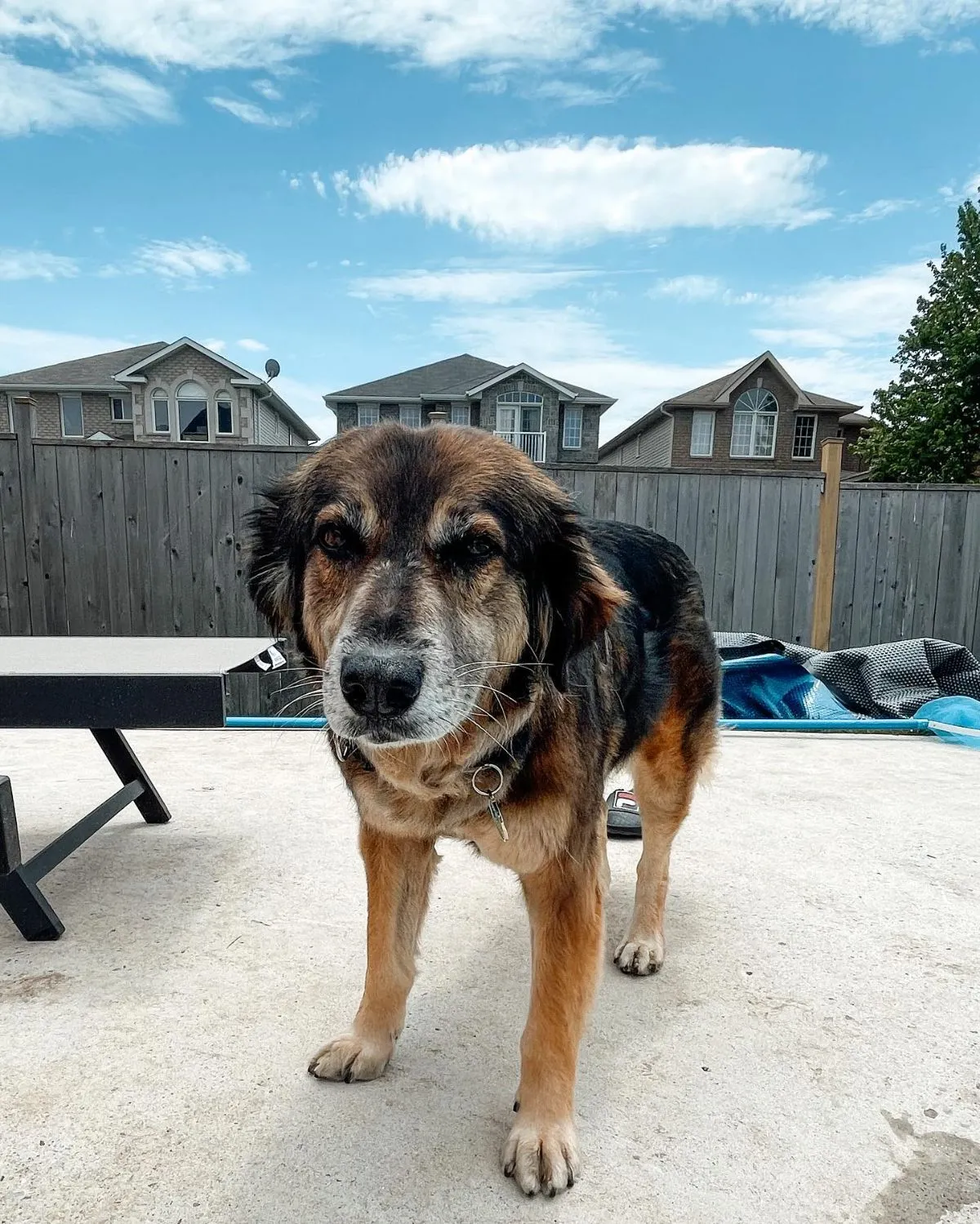
Some potential adopters want a dog that is ready to integrate seamlessly into their daily routine. The resume format is designed specifically for these practical, detail-oriented families, clearly outlining the dog’s accomplishments, training milestones, and polite behaviors.
Instead of focusing on a lengthy backstory, this style highlights exactly what makes the dog an excellent companion. Adopters appreciate knowing if a dog is crate-trained, housebroken, or comfortable walking on a leash. This transparency builds trust immediately and sets up the future guardian for success.
Structuring The Dog Resume
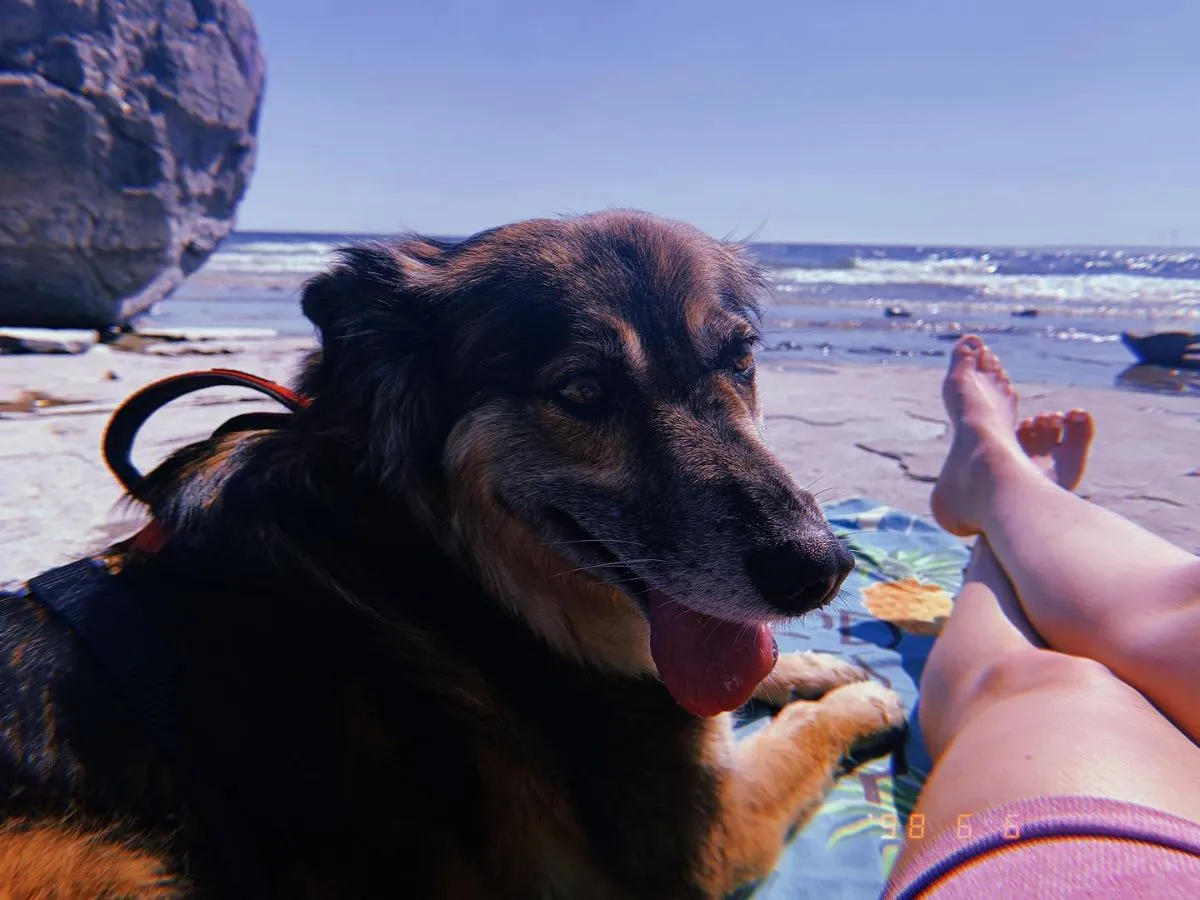
When drafting a resume-style biography, use clear bullet points to make the information scannable. Busy families often skim profiles quickly to see if the animal matches their lifestyle.
Group the dog’s skills into distinct categories like training, socialization, and household manners. This structured approach allows prospective adopters to find key details at a glance.
For example, a dog that settles down quietly during the workday is highly appealing to professionals. You can easily emphasize these traits for people wondering foster-a-dog-while-working-full-time-a-complete-guide/”>how to foster a dog while working full time.
Highlight their ability to nap independently or self-soothe with a durable chew toy.
To create an effective resume profile, include the following core sections:
- Education: Detail any formal obedience training, known commands, or excellent leash etiquette.
- Work Experience: Describe their job in the foster home, such as designated snuggle champion or friendly neighborhood greeter.
- Soft Skills: Highlight their emotional intelligence, including how they greet strangers or comfort their guardians.
- Special Talents: Mention endearing quirks like catching treats in mid-air or tilting their head when spoken to.
A good pet profile should focus on the animal’s positive traits and what they will bring to a new family, rather than dwelling on a sad past.
Best Friends Network Team, Best Friends Animal Society
🌍 Best Friends Animal Society
National
National No-Kill Advocate: A leading national animal welfare organization dedicated to ending the killing of dogs and cats in America’s shelters.
- Operates the nation’s largest no-kill animal sanctuary
- Manages the Best Friends Network of rescue partners
- Pioneered proven marketing strategies for hard-to-place pets
Framing Challenges As Opportunities
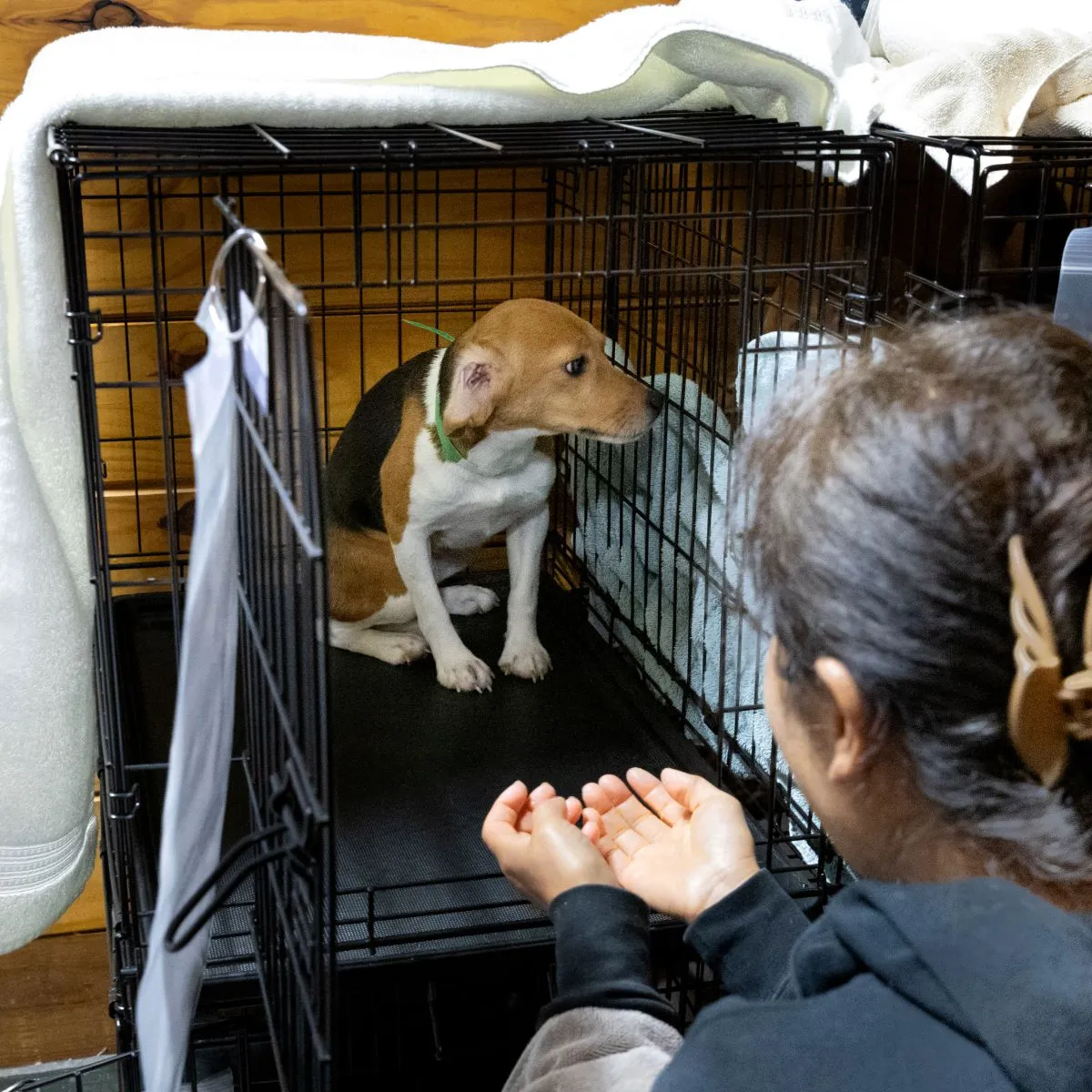
Every dog has areas where they can improve. The resume format allows you to frame these training needs as opportunities for team building.
Use language that invites the adopter to continue the positive reinforcement journey you have already started.
For instance, if a dog is still mastering loose-leash walking, you can describe them as an enthusiastic explorer who loves sniffaris. This appeals to active guardians while setting realistic expectations.
It is also incredibly helpful for people wondering foster-a-dog-without-a-fenced-yard/”>how to get approved to foster a dog without a fenced yard, as it shows the dog is adaptable to neighborhood walks.
The best adoption profiles do not hide a dog’s needs; they illuminate their potential to become the perfect companion.
If the dog prefers to be the only animal in the home, frame this as a desire to be the absolute center of their guardian’s universe. Always provide practical, honest information while maintaining an optimistic and encouraging tone.
Always include specific examples of your dog demonstrating their skills. Instead of simply stating they are smart, describe how quickly they learned to sit politely for dinner.
Highlighting these concrete moments clearly proves their capabilities. Painting a vivid picture of their daily victories is what makes their resume truly shine.
Pawsitive Professionalism: The Resume Approach
- Focus on accomplishments and positive traits rather than sad backstories to attract practical, detail-oriented adopters.
- Use scannable bullet points categorized by Education, Work Experience, Soft Skills, and Special Talents to highlight the dog’s lifestyle fit.
- Highlight specific household manners, like settling down quietly during the workday, to appeal to busy professionals.
- Frame behavioral challenges as team-building opportunities, inviting adopters to continue the dog’s positive reinforcement training.

Meet Dewy!
Dewy is a smart and cuddly young dog with unique mismatched eyes who knows all his basic commands and has passed his cat test with flying colors.
Adopt Me3. The Dating Profile Approach: Adding Humor And Personality
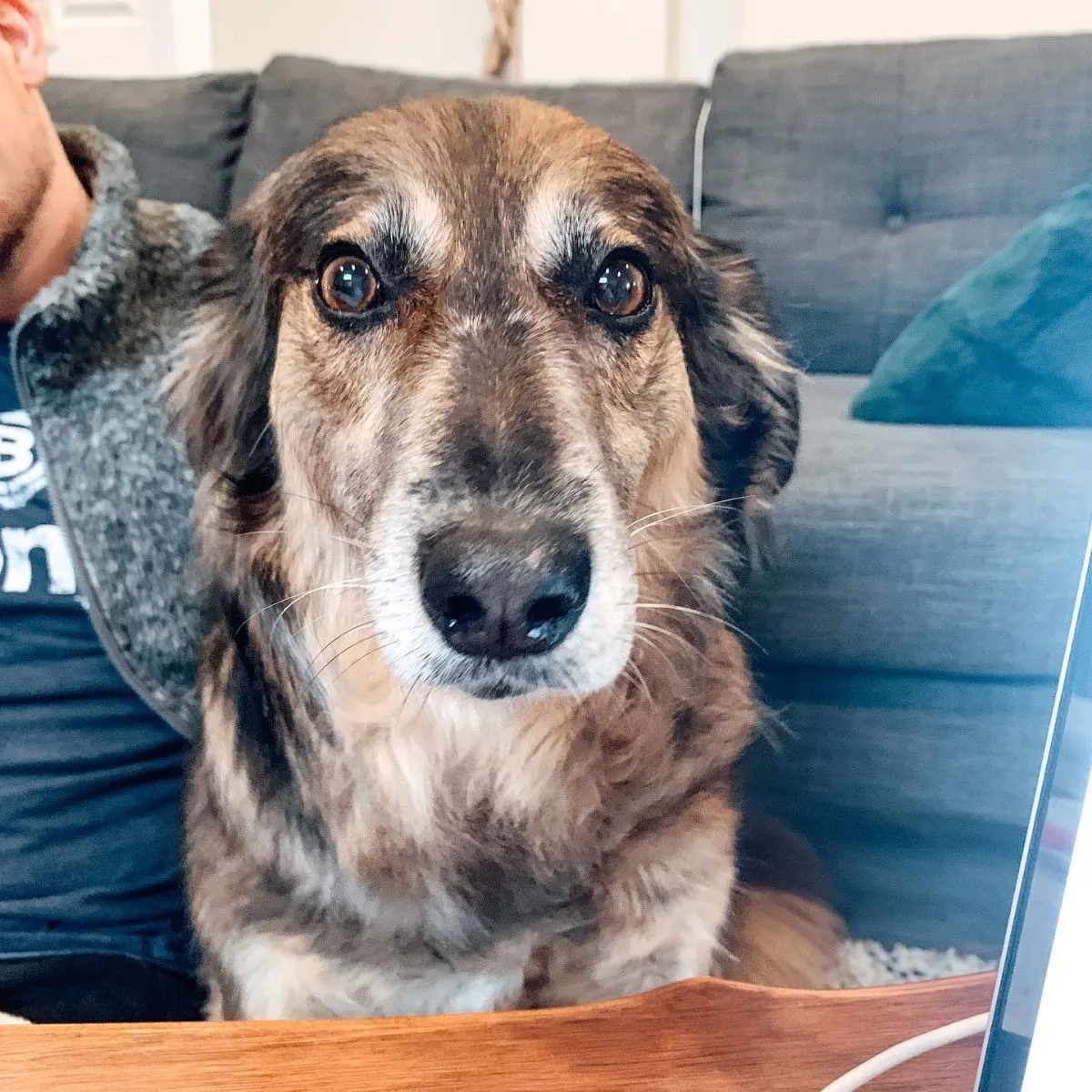
When scrolling through endless rescue listings, potential guardians often experience adoption fatigue. A bio styled like a dating profile cuts through the noise with immediate charm and relatability. By framing a foster dog’s behavioral quirks as personal dating preferences, you create an instant emotional connection with the reader.
This playful method invites potential adopters to vividly imagine a life shared with this specific animal. You must paint a clear picture of their daily routine and natural atmosphere.
For instance, consider a sleek, athletic hound who thrives on wooded trails. You can describe their nose eagerly working the rich, damp earth during morning hikes.
Setting Up Their Matchmaking Profile
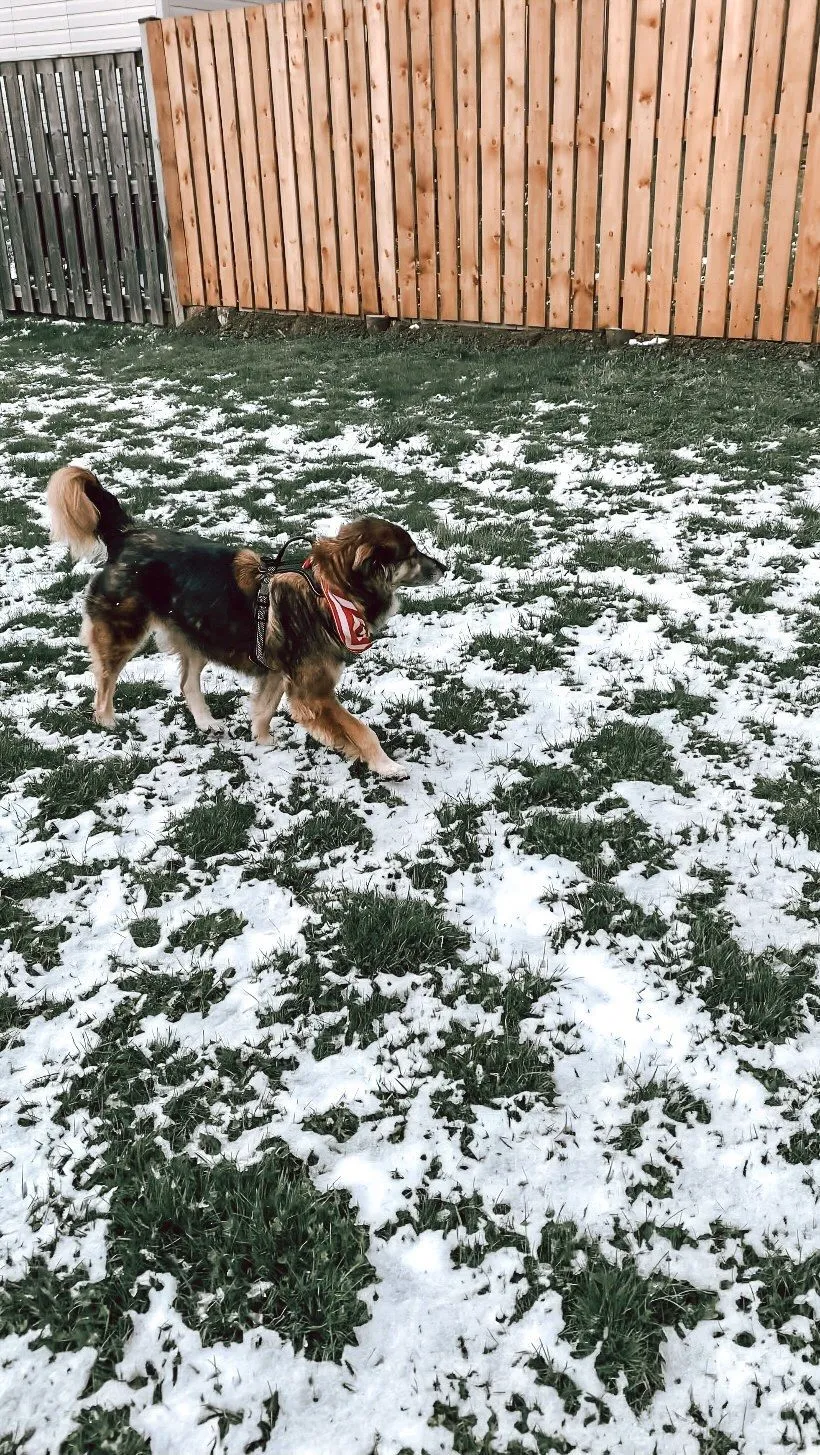
Writing a successful dating profile bio requires balancing humor with absolute honesty. You want to highlight the dog’s best physical traits while managing expectations for their daily care. When describing a scruffy terrier mix with expressive, mismatched ears, highlight exactly how those ears perk up at the sound of a cheese wrapper.
Humor is the bridge between a dog’s uncertain past in a rescue kennel and their vibrant future in a loving forever home.
Never hide serious behavioral challenges behind clever jokes. Instead, use humor to make those realities digestible and attract the right household match.
Being upfront about specific training needs helps prevent foster-dog-navigating-guilt-and-finding-the-right-fit/”>returning a foster dog due to a mismatched lifestyle.
Focus on the pet’s current personality and potential rather than just their past. Positive, descriptive language helps adopters picture the pet in their home.
HeARTs Speak Education Team, The Power of Positive Marketing
📢 HeARTs Speak
Global
Creative Advocacy NGO: A nonprofit that unites artists and advocates to increase the visibility of shelter animals through positive marketing.
- Developed ‘The Power of Positive Marketing’ educational resources
- Provides photography and writing tools for shelters worldwide
- Focuses on highlighting animal potential through art
Key “Dating Profile” Categories for Dogs
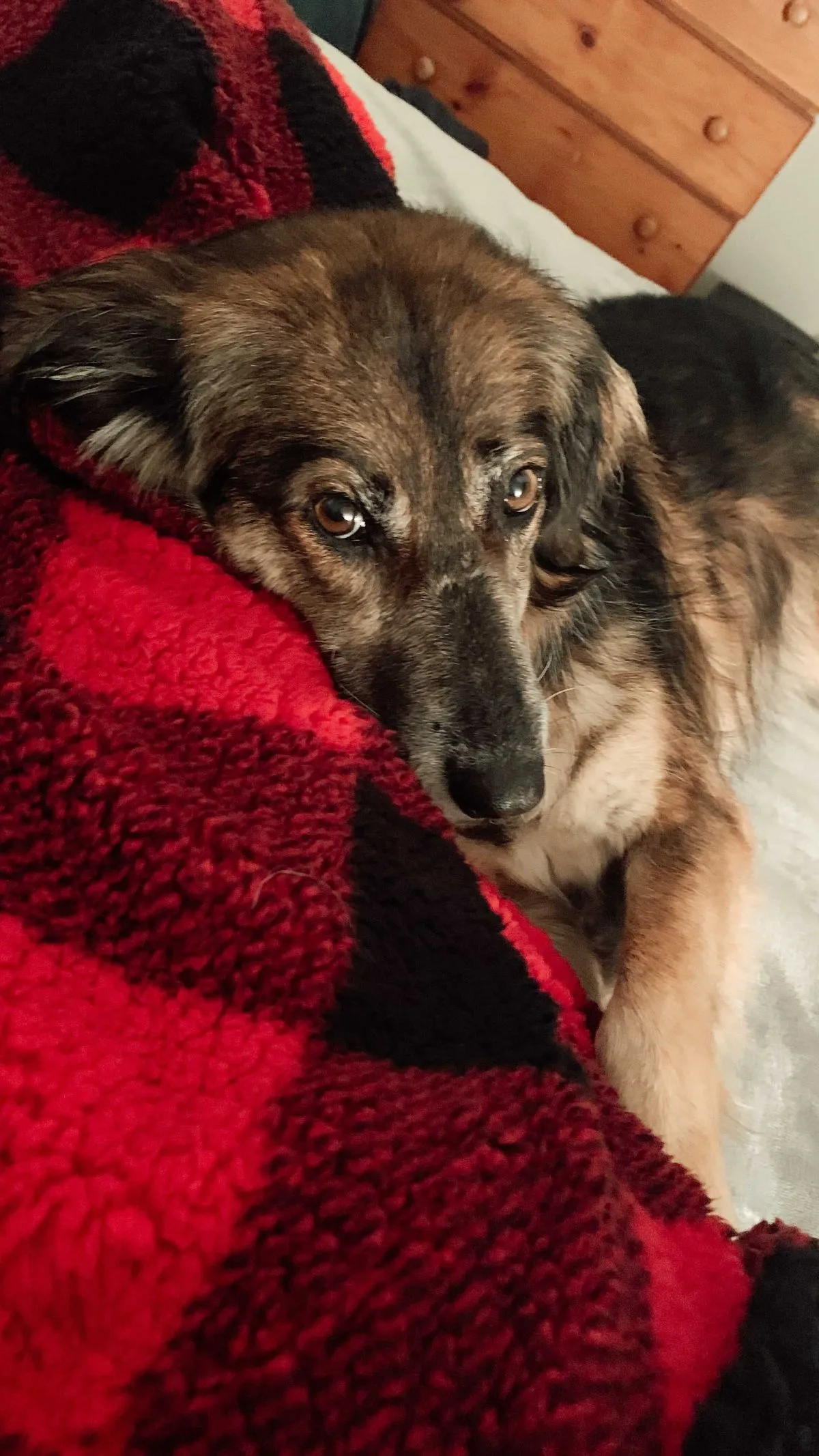
To build your template, try translating standard behavioral traits into common dating app prompts. This format makes the profile highly scannable and endearing to potential adopters. It also helps busy families quickly determine if their lifestyle aligns with the animal’s needs.
For example, an adopter wondering foster-a-dog-while-working-full-time-a-complete-guide on how to foster a dog while working full time might be drawn to a profile advertising a fiercely independent introvert. A well-crafted translation clearly communicates these boundaries without sounding discouraging or negative.
| Standard Shelter Term | Dating Profile Translation |
|---|---|
| Requires a highly active household. | Looking for a rugged hiking partner who never skips leg day. |
| Dog has mild separation anxiety. | My love language is quality time, and I prefer a homebody lifestyle. |
| Needs a home without small animals. | Seeking a strictly human relationship with no small furry roommates. |
| A senior dog who sleeps all day. | Professional couch potato seeking a dedicated binge-watching companion. |
This translation method ensures the dog’s true personality shines through the screen. When potential guardians read about these personalized quirks, they are much more likely to fill out an adoption application.
The Matchmaker’s Guide to Foster Bios
- Combat adoption fatigue by framing a dog’s behavioral quirks as playful dating preferences to build an instant emotional connection.
- Balance humor with absolute honesty about training and behavioral needs to ensure a compatible lifestyle fit and prevent returns.
- Use highly scannable dating app prompts to translate standard traits, making it easy for busy adopters to quickly assess compatibility.
- Paint a vivid picture of the dog’s daily routine and physical traits to help potential guardians easily imagine a shared life.
4. The Special Needs Showcase: Framing Medical Or Behavioral Challenges Positively
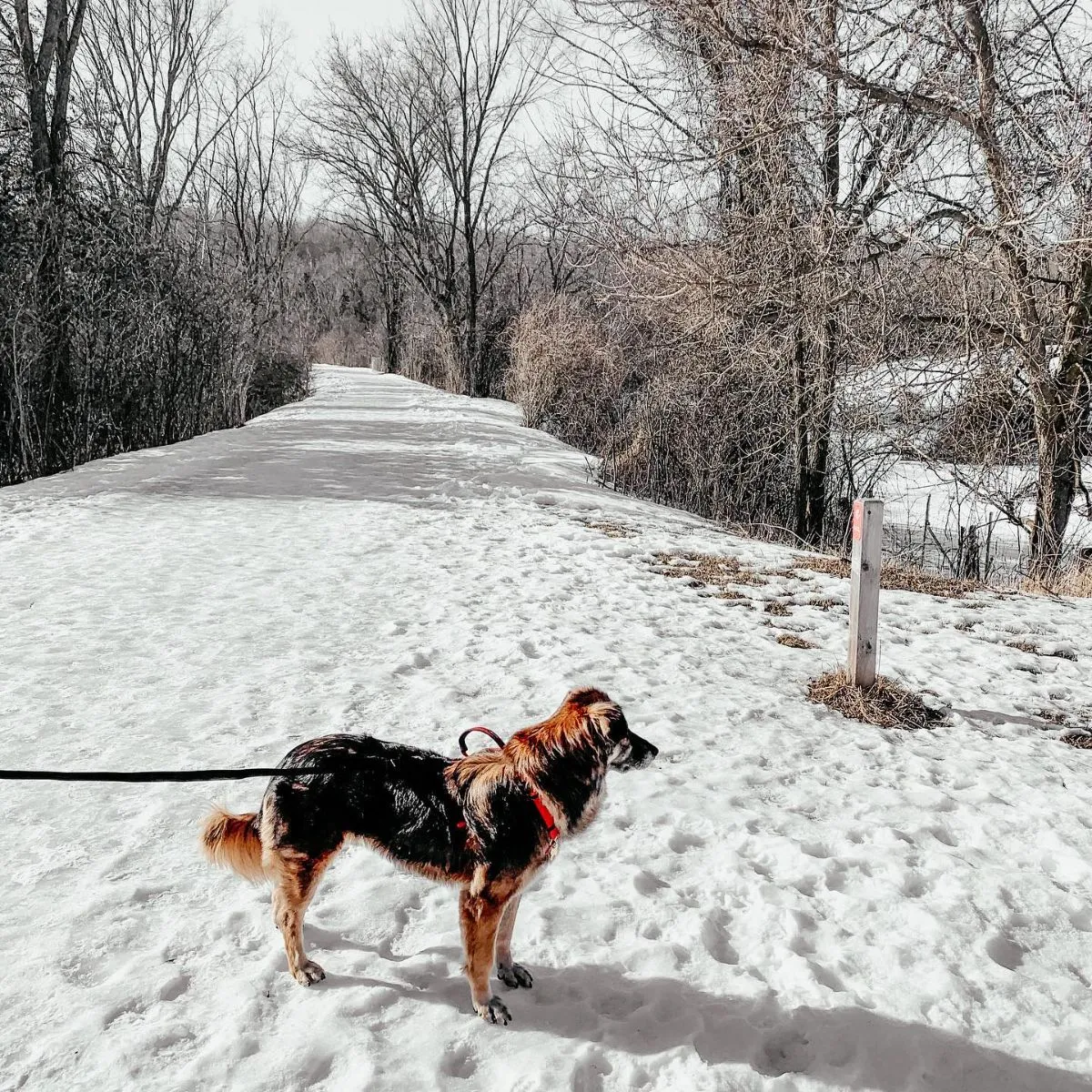
Writing a bio for a foster dog with medical or behavioral quirks requires a delicate balance of advocacy and transparency. You must be completely honest to ensure a safe placement while actively highlighting the profound joy the animal brings. Honesty prevents mismatched adoptions and helps future guardians fully prepare for their new responsibilities.
Sugarcoating a severe behavioral issue does a massive disservice to both the animal and the adopter.
When a family is unprepared for a dog’s specific daily needs, it often leads to a heartbreaking disruption for the animal. In fact, mismatched expectations are a leading reason people end up foster-dog-navigating-guilt-and-finding-the-right-fit/”>returning a foster dog to the shelter environment.
Reframing Behavioral Needs with Compassion
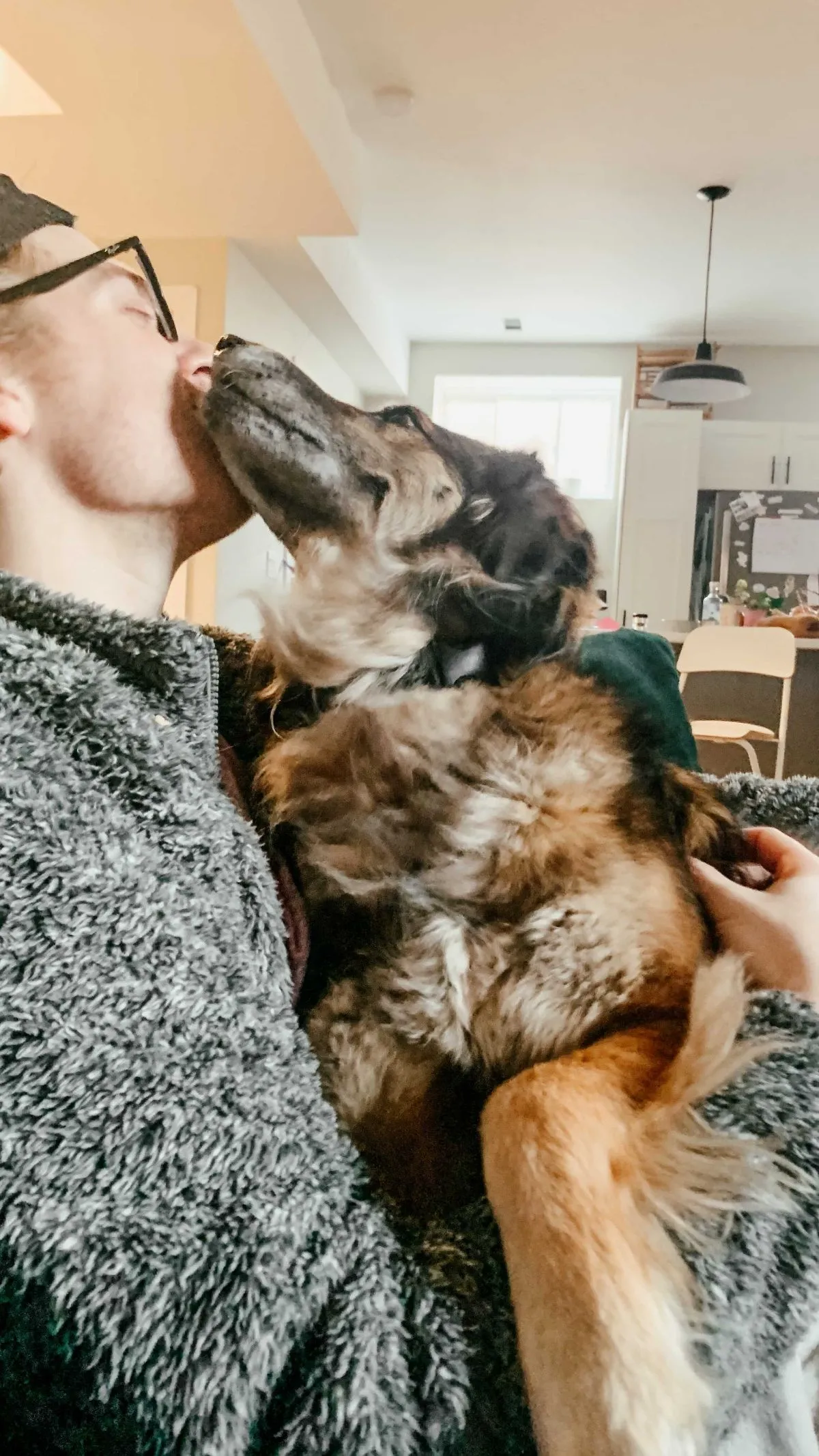
Dogs with behavioral challenges simply need the right environment to decompress and succeed. Instead of labeling an animal as problematic, describe the specific home setting where they will truly thrive.
Focus heavily on the management tools and routines that keep everyone safe and relaxed. Offering clear, practical guidance helps potential adopters feel confident in their ability to support the dog.
Here are a few ways to positively reframe common shelter challenges without hiding the truth:
- Instead of “Aggressive toward other pets”: Try writing, “Thrives as your one and only animal companion, soaking up all your undivided attention and love.”
- Instead of “Destroys the house”: Try writing, “An incredibly smart working dog who needs structured mental enrichment and a guardian dedicated to positive reinforcement training.”
- Instead of “Bad with cats”: Try writing, “Has a strong natural prey drive and absolutely requires a feline-free home to keep all neighborhood animals safe.”
When we focus on what an animal can do rather than what they can’t, we open the door for adopters to see their true potential.
Dr. Marty Becker, Fear Free Shelters
Spotlighting Medical Resiliency
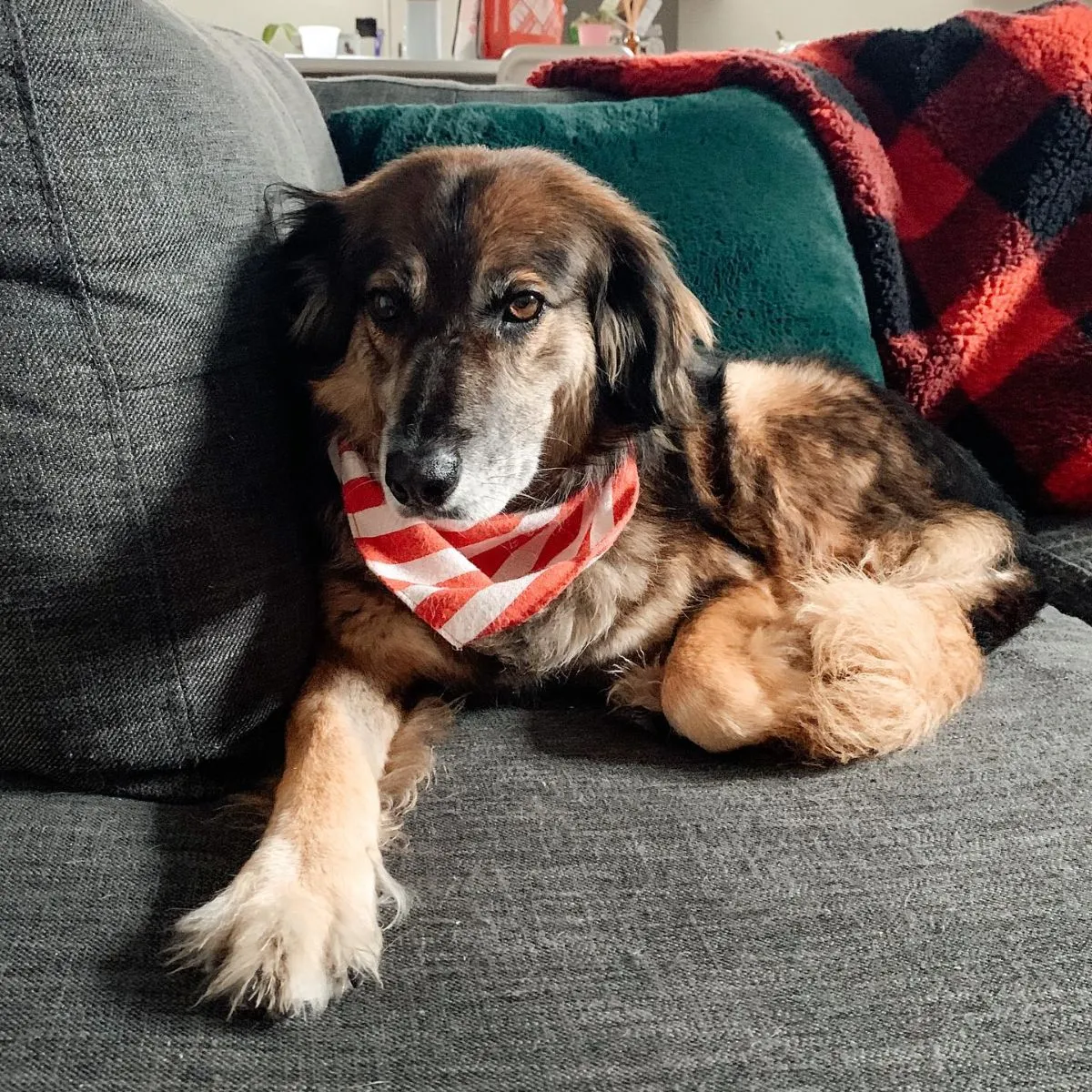
Medical conditions like diabetes, vision loss, or mobility limitations can sound deeply intimidating to first-time guardians. Your bio should break down exactly what the daily routine looks like to actively demystify the care process.
Knowing that a chronic condition only requires one daily pill or a specific diet makes the commitment feel incredibly manageable. This simple clarity helps potential adopters realize they are fully capable of providing great care.
Always highlight a dog’s resilience and capacity for joy alongside their medical needs. Describe how a three-legged dog still loves chasing tennis balls, or how a deaf dog looks to their human for guidance. This creates a complete picture of a loving companion rather than a clinical diagnosis.
A special needs diagnosis does not define a shelter dog; it simply maps out the unique way they need to be loved.
Always include actionable instructions for prospective guardians interested in special needs adoptions. Recommend that they establish a strong relationship with a trusted veterinarian early in the adoption process. Ultimately, emphasize that providing a safe, accessible home environment is the greatest gift they can offer an animal in recovery.
Mastering the Special Needs Bio: Honesty Meets Positivity
- Prioritize transparency without sacrificing positivity; sugarcoating severe issues often leads to failed adoptions.
- Reframe behavioral challenges by describing the dog’s ideal environment rather than using discouraging negative labels.
- Demystify medical conditions by clearly explaining the daily care routine, proving that chronic needs are highly manageable.
- Focus on the dog’s resiliency and what they can do, allowing potential adopters to see their true potential.
5. The Lifestyle Matchmaker: Targeting The Ideal Adopter’s Daily Routine
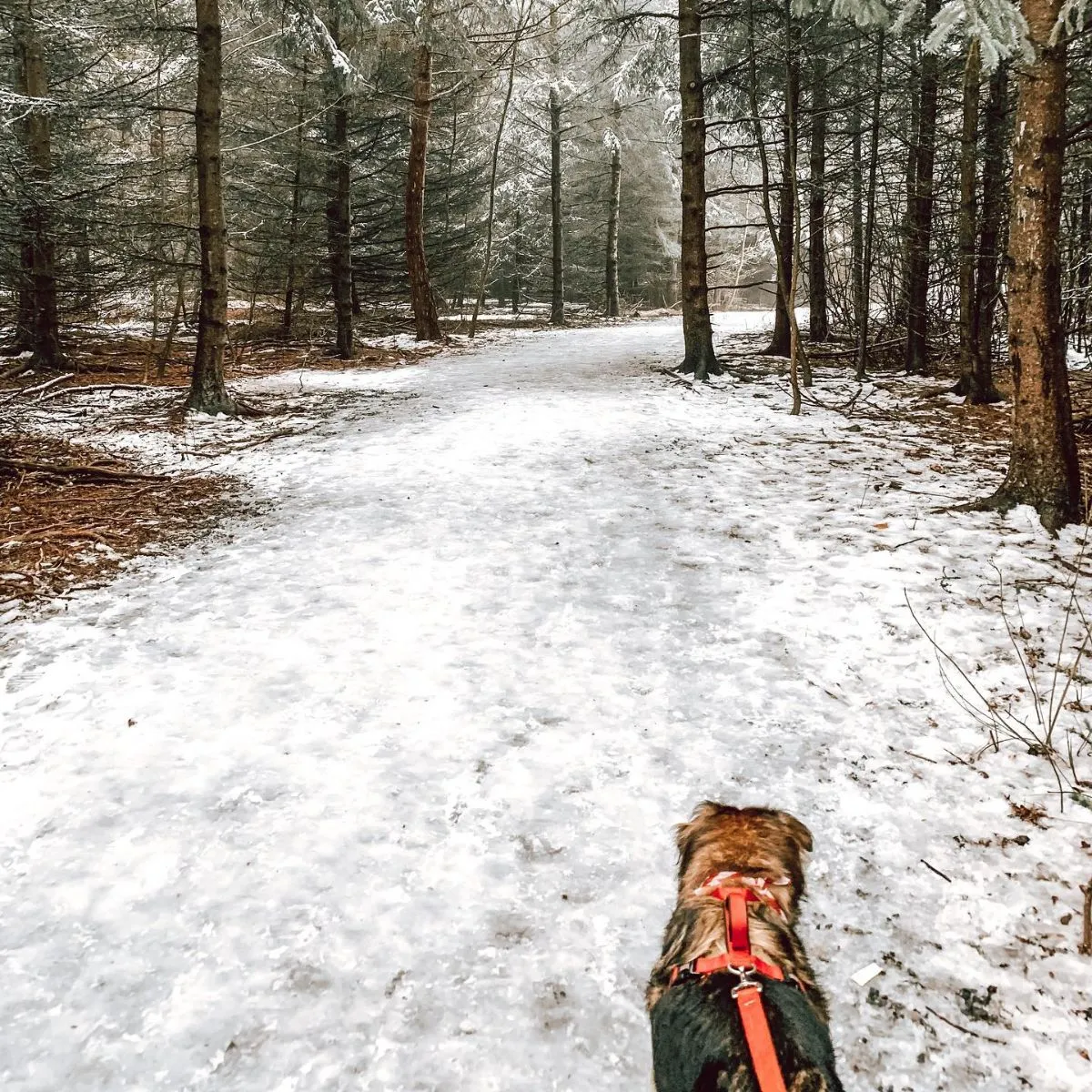
A successful foster dog biography goes beyond listing basic physical traits and age. It acts as a dedicated lifestyle matchmaker for potential guardians.
Readers need to visualize exactly how this specific dog will fit into their morning routines, weekend plans, and living arrangements.
If a bio only focuses on generic adjectives, it misses a crucial chance to connect with the right household.
Instead of simply calling a dog “active,” paint a clear picture of what that activity looks like in reality. Describe the dog waiting eagerly by the door for a sunrise run or happily navigating a crowded hiking trail.
This specific imagery helps active individuals recognize the companion they have been searching for. It also gently deters those who prefer quiet evenings indoors from adopting a dog that requires intense daily exercise.
The most compelling adoption bios don’t just describe the dog. They describe the beautiful, shared life waiting for the future guardian.
Painting a Picture of the Perfect Weekend
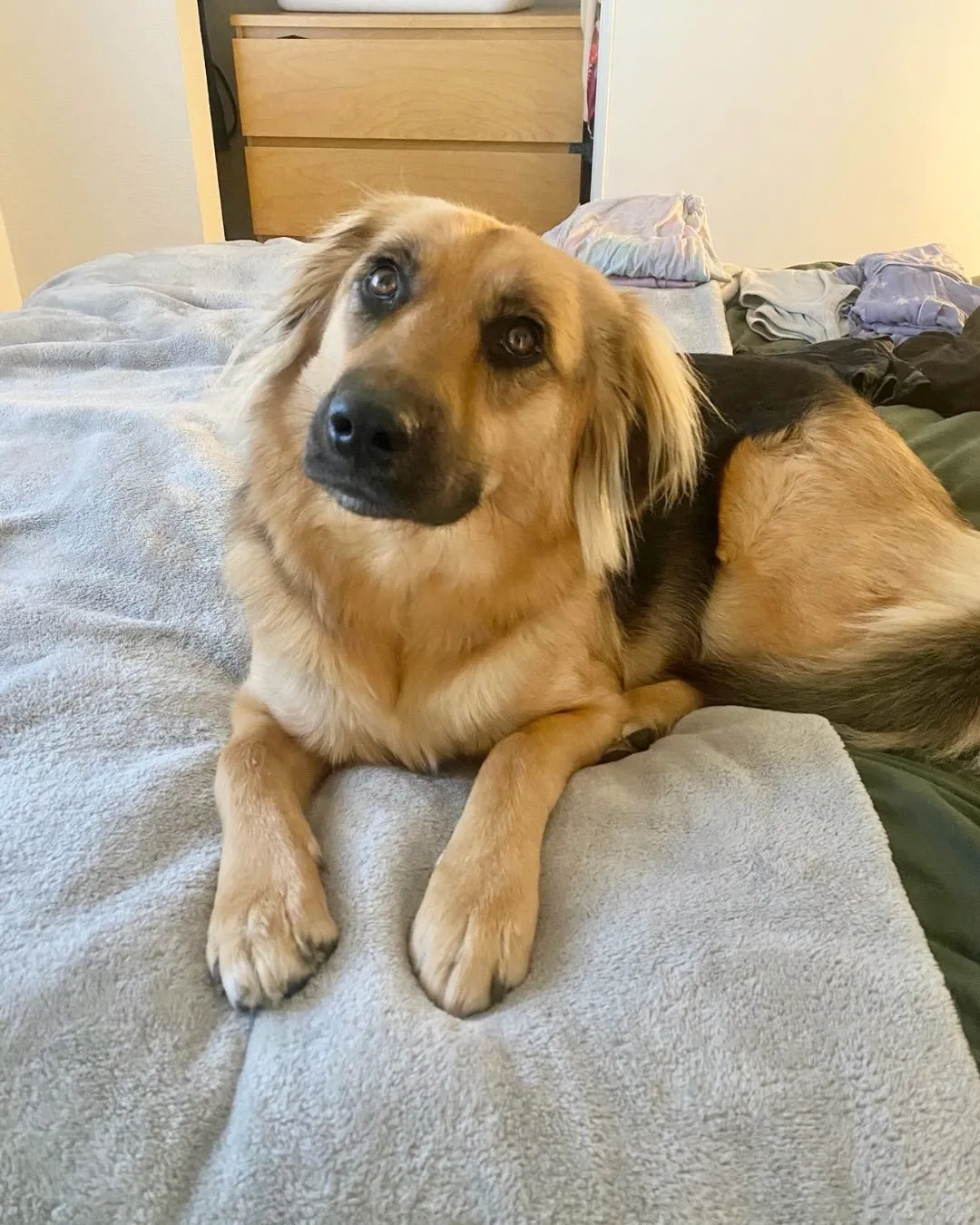
Every adopter has a unique vision of their ideal weekend. Your foster dog will perfectly fit into someone’s specific plans.
You must explicitly highlight these harmonious pairings in your profile writing. Consider using distinct lifestyle personas to help potential guardians immediately identify if the animal suits their household dynamics.
- The Couch Potato Companion: Detail how the dog loves nothing more than curling up for a rainy day movie marathon. Emphasize their gentle nature and low exercise needs.
- The Weekend Warrior: Highlight the dog’s endurance, trail etiquette, and love for outdoor adventures. Mention how they handle car rides to natural parks or quiet beaches.
- The Work-From-Home Colleague: Describe their ability to sleep quietly under a desk during long virtual meetings. Focus on their independent yet comforting presence in a home office environment.
Setting Realistic Expectations for Daily Care
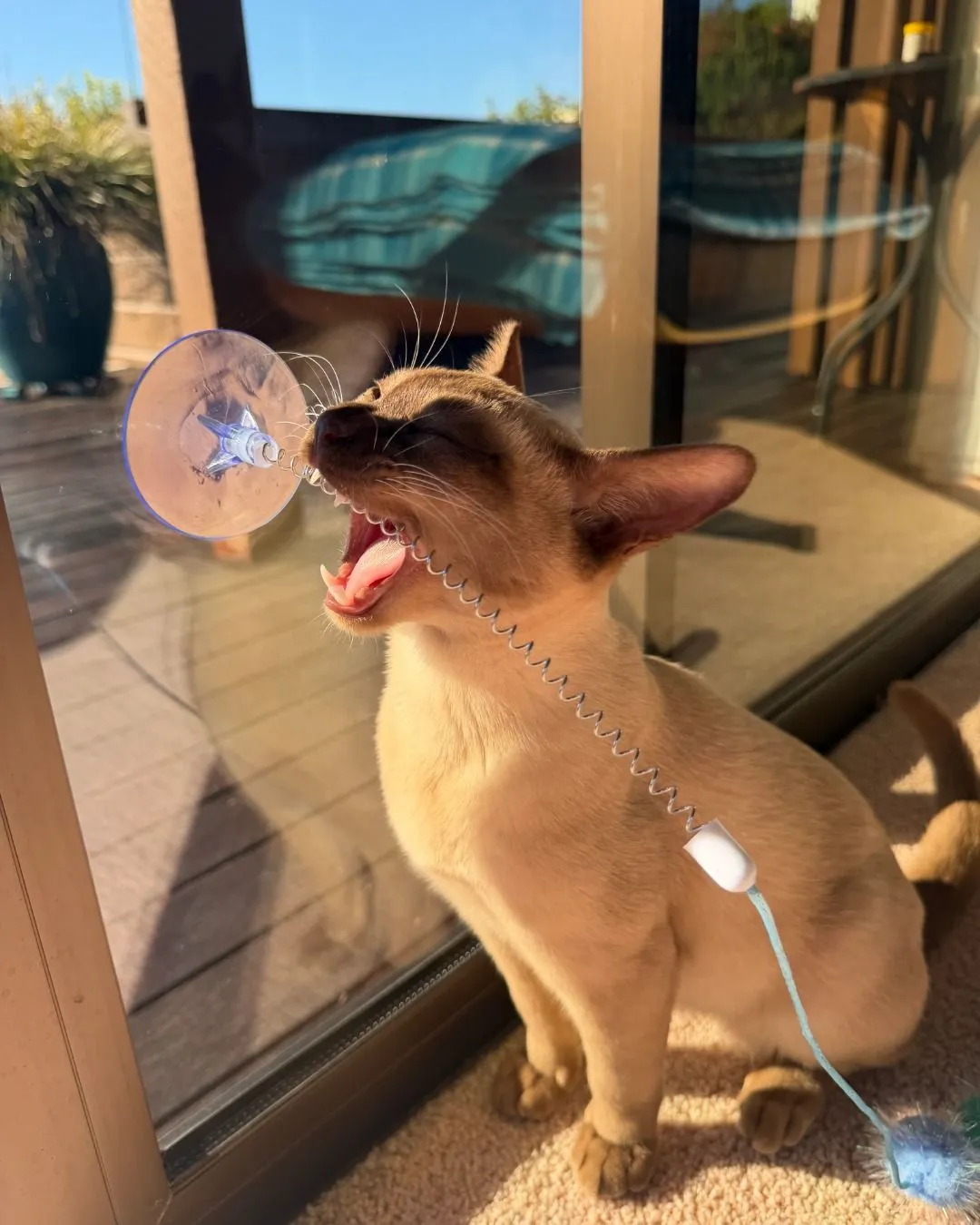
Honesty about daily care requirements is just as vital as highlighting positive lifestyle matches. Clear communication ensures that prospective guardians understand the full scope of an animal’s needs.
A working breed dog might require intricate mental puzzles and rigorous training sessions to stay fulfilled. By outlining these specific needs, you attract dedicated owners who are eager to invest time in positive animal behavior training.
Setting these expectations early drastically reduces the likelihood of a failed adoption due to overwhelmed families. You should also be clear about the physical environment the dog needs to truly thrive.
Choosing a pet should be a well-thought-out decision. Your pet’s needs should be compatible with your family’s lifestyle.
American Veterinary Medical Association, Selecting a Pet for Your Family
Some dogs thrive in quiet suburban neighborhoods, while others easily adapt to bustling city apartments. If a dog requires structural containment, be transparent about the need without sounding unnecessarily discouraging. Many people assume they cannot adopt certain active breeds without sprawling acreage, but this is simply not true.
A dedicated guardian can easily provide adequate exercise through structured walks, longline training, and dedicated park visits. If potential adopters are worried about their living situation, they might benefit from learning how to get approved to foster a dog without a fenced yard.
Providing this reassurance in your bio can keep excellent candidates from scrolling past a wonderful rescue dog.
The Power of Lifestyle Matching in Pet Bios
- Paint a vivid picture of the dog’s daily routine instead of relying on generic adjectives, helping potential adopters visualize their future life together.
- Utilize specific lifestyle personas, such as Couch Potato or Weekend Warrior, to quickly attract the right target households.
- Be transparent and honest about daily care and mental stimulation requirements to set realistic expectations and prevent failed adoptions.
Beyond the Screen: Writing Their Way Home
Crafting the perfect foster dog bio is about so much more than just listing facts. It is your profound opportunity to advocate for a vulnerable animal and showcase their unique spirit to the world.
By using thoughtfully structured templates like the Storyteller format, you bridge the gap between a pet’s past hardships and a beautiful, loving future. Focus heavily on their resilience, quirky personality traits, and the immense joy they will bring to an adopter’s life.
Whether you are highlighting favorite toys or an ongoing rehabilitation journey, authenticity is your most effective tool. Maintain a hopeful tone, keep your boundaries clear, and ensure your descriptions remain vibrant.
Your words hold the power to change a rescue dog’s entire world. Take a deep breath, write from the heart, and watch as the perfect family steps forward to meet them. By sharing their story with sincerity, you can help them find the forever home they so deeply deserve.
Frequently Asked Questions About Foster Dog Bios
A strong adoption profile should be concise yet highly detailed, typically ranging between 200 and 300 words. This length provides enough space to weave a compelling story and cover essential behavioral requirements without losing the reader’s interest.
Yes, but you must frame them constructively to attract the right family. Instead of labeling a dog ‘bad with kids,’ explain that they thrive best in an ‘adult-only home with a calm, predictable environment.’ Honesty ensures safe and successful placements.
Aim to refresh their bio every few weeks or whenever they reach a significant rehabilitation milestone. Updating their profile with emerging habits, improved training behaviors, and fresh photos ensures that potential adopters remain deeply engaged with their progress.
Highlighting an animal’s unique personality and unwavering resilience is essential. Focus intensely on specific, observable quirks, such as how they tap dance for dinner or collect socks, rather than relying strictly on generic adjectives.