


Table of Contents
- 1. Highlight Your Active Lifestyle and Daily Walk Routine
- 2. Emphasize Supervised Leash Potty Break Solutions
- 3. Request Low-Energy Dogs or Senior Pups
- 4. Showcase Previous Leash-Handling Experience
- 5. Map Out Nearby Green Spaces and Walking Trails
- Proof Over Property: Becoming the Foster Hero They Need
- Fostering Without a Yard: Common Questions Answered
Walk into any rescue shelter, and you will see eyes pleading for a second chance. For many passionate animal lovers, the desire to open their homes as foster parents is cut short by a common, disheartening barrier: the lack of a fenced yard. It is a frustrating obstacle, yet the reality of animal welfare teaches us that a physical fence is never a substitute for dedicated, active companionship.
Every species thrives on mental stimulation and structured movement, not just open space. Dogs in transition do not need acres of empty grass to heal; they need engaged caretakers who understand how to meet their physical and instinctual needs through structured walks, sensory enrichment using an Interactive Dog Puzzle Toy, and leash training.
By reframing how we provide exercise, we can demonstrate to rescue coordinators that an apartment or unfenced home can be a sanctuary of rehabilitation.
You do not need a barrier of wood or metal to save a life; you need only a commitment to active stewardship. This guide will help you build a compelling foster application that showcases your dedication to safety, exercise, and enrichment, proving that a dedicated guardian is far more valuable than any fenced yard.
The Foster Guardian’s Flash Sheet
- Advocate for your future foster dog by emphasizing your active lifestyle, proving that dedicated walks provide far more enrichment than an empty yard.
- Detail your specific neighborhood routes and safe nature trails to show adoption coordinators exactly how you plan to meet complex canine needs.
- Present a realistic, compassionate exercise schedule featuring morning strolls, afternoon relief, and evening ‘sniffaris’ for mental decompression.
1. Highlight Your Active Lifestyle and Daily Walk Routine

Rescue organizations prioritize animal welfare above all else when evaluating potential foster applications. Their primary concern is ensuring that a dog will receive adequate physical exercise and mental stimulation in your care. While a physical barrier offers convenience, it does not guarantee a fulfilling environment for an active canine.
View Hands-Free Dog Leash on AmazonYou can easily alleviate their concerns by clearly communicating your dedication to an active lifestyle. Presenting a well-described daily walk routine shows adoption coordinators that you understand complex canine behavioral needs. It proves you are ready to be a responsible foster guardian who prioritizes engagement over convenience.
A fenced yard is a convenience for the pet parent, but it is not a substitute for walking your dog. Walks provide essential mental stimulation and socialization that a backyard simply cannot offer.
American Kennel Club, How Often Should You Walk Your Dog?
When filling out your application, be highly specific about your daily habits. Detail the exact walking routes you plan to take in your neighborhood or nearby nature trails. If you are trying to figure out how to foster a dog while working full time, emphasize your commitment to early morning jogs and structured evening strolls.
Instead of leaving a blank space where the application asks about a yard, use that section to advocate for your lifestyle. Mention specific nearby green spaces, dog-friendly hiking trails, or safe walking paths. This proactive approach immediately shifts the focus from what your property lacks to what your daily routine provides.
| Activity Type | Physical Exercise | Mental Stimulation | Bonding Opportunity |
|---|---|---|---|
| Unsupervised Yard Time | ❌ Minimal | ❌ Low | ❌ None |
| Structured Daily Walks | ✅ High | ✅ Excellent | ✅ Maximum |
| Trail Hiking & Nature Walks | ✅ Very High | ✅ Exceptional | ✅ Maximum |
A dedicated foster guardian with a leash and a pair of comfortable walking shoes can provide far more adventure than the largest empty backyard.
📢 American Kennel Club
National
National Kennel Club: The club provides expert guidance on dog health, exercise requirements, and responsible pet ownership standards.
- Establishes official breed standards and health guidelines
- Advocates for the importance of mental stimulation over yard size
- Provides extensive resources on canine behavioral needs
Drafting a Concrete Exercise Schedule
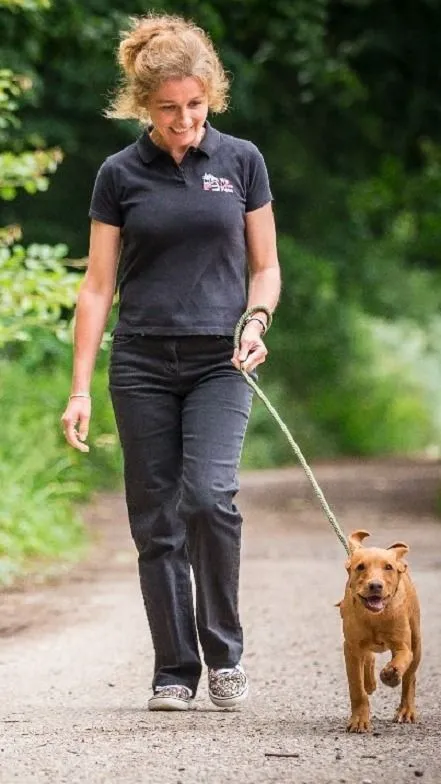
Shelter staff appreciate applicants who think ahead and present realistic solutions for daily care. Write out a proposed schedule that breaks down how you will manage potty breaks and exercise throughout the day. This is especially critical if you live in an apartment where simply opening a back door is not an option.
Your schedule should include morning stimulation, afternoon relief breaks, and evening decompression walks. You might note that you plan to spend thirty minutes walking before breakfast to help the dog burn off morning energy. Highlighting “sniffaris” where the dog is allowed to leisurely explore scents will further prove your knowledge of ethical animal behavior.
Demonstrating this level of preparation proves that your lack of a physical fence will not hinder the rescue operation. It shows you are fully committed to the rehabilitation and happiness of the animal. Ultimately, shelters want to place dogs with engaged advocates who will actively participate in their daily enrichment.
Turn Your Active Lifestyle Into a Fostering Asset
- Shift the application focus from what your property lacks to the engaging daily routine you will provide.
- Detail specific walking routes, dog-friendly hiking trails, and nearby green spaces to prove your preparedness.
- Outline a concrete daily schedule of morning jogs and evening strolls to reassure adoption coordinators.
- Highlight that structured leash walks offer far superior mental stimulation and bonding compared to unsupervised yard time.
Early Morning
High-Energy Walk
Take the dog for a 30-minute walk before breakfast to burn off morning energy.
Mid-Day
Afternoon Relief Break
Scheduled potty breaks are critical for indoor-only living.
Evening
Decompression Sniffari
A leisurely walk allows the dog to explore scents for mental health.
2. Emphasize Supervised Leash Potty Break Solutions
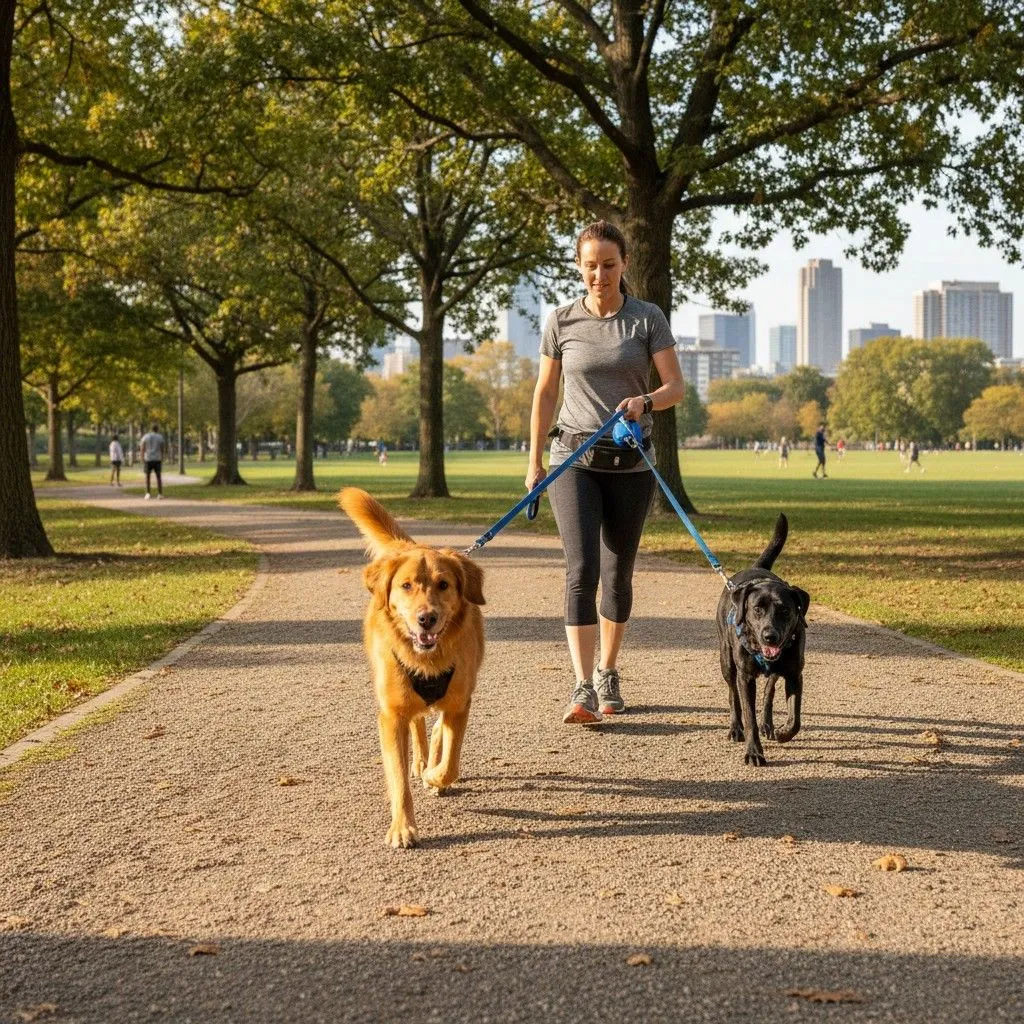
Many rescue organizations hesitate to approve applications from homes without fenced yards. They primarily worry about the safety of unpredictable or easily spooked rescue animals in an open environment. You can ease their concerns by presenting a meticulous plan for supervised leash potty breaks.
When you rely solely on a leash, you actively remove the risk of a new foster animal digging under a fence or slipping through an unlatched gate. Instead of viewing a lack of fencing as a hurdle, reframe it as a commitment to active supervision. This hands-on approach demonstrates profound dedication to animal welfare.
The Safety Gear Protocol
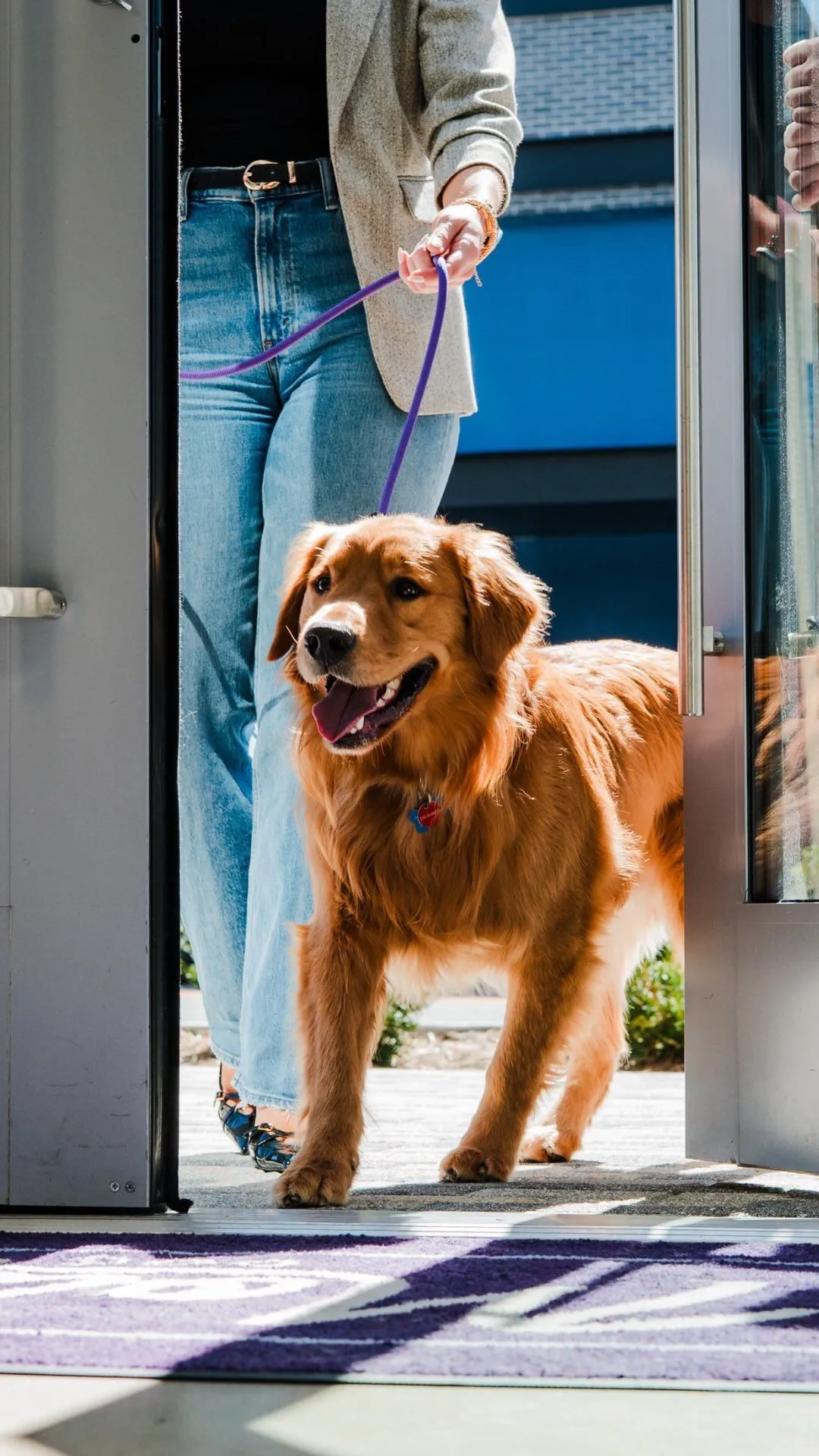
A nervous rescue dog might tuck their tail, flatten their ears, and scan a new environment frantically. In these vulnerable moments, standard collars are not enough to prevent a sudden flight response. Rescue coordinators want to see that you understand the mechanics of secure walking gear.
Outline the exact equipment you plan to use for every single outdoor trip. Highlighting specialized gear proves you are a responsible guardian who prioritizes proactive safety measures.
- Martingale Collars: These collars gently tighten when pulled to prevent a fearful dog from backing out and escaping.
- Escape-Proof Harnesses: A well-fitted harness with multiple attachment points distributes pressure safely across the chest.
- Double-Leashing Strategy: Connecting one leash to the collar and a separate leash to the harness ensures a foolproof backup system.
Keep your dog on a leash at all times when outdoors, unless in a securely fenced area. If your dog wanders off, they could get injured or lost.
ASPCA, General Dog Care Guide
📢 ASPCA
National
Global NGO: A leading organization dedicated to animal welfare and providing comprehensive care guides for pet guardians.
- Founded the first animal welfare organization in North America
- Provides critical safety protocols for outdoor pet management
- Offers resources for general dog care and emergency preparedness
Crafting a Consistent Routine

Shelter staff need reassurance that you have the time and physical energy to take the dog outside frequently. Outline a clear daily schedule in your foster application to show your organizational skills. Tell them exactly how often you plan to go out and which quiet green spaces you will use.
If you are balancing these responsibilities with a career, you might want to review how to foster a dog while working full time. Providing a structured timeline proves that your lack of a yard will never compromise the animal’s hygiene or comfort.
A reliable schedule helps a newly rescued dog decompress rapidly. Knowing exactly when they will go outside reduces their indoor anxiety and minimizes the chances of accidents in your home.
Supervised leash walks are not a limitation; they are a direct line to building unbreakable trust with your new foster dog.
Every supervised potty break is an opportunity to observe the animal’s behavior closely. You will learn their unique bathroom cues, their reaction to neighborhood stimuli, and their body language shifts. This close proximity makes you an invaluable source of information for their future forever family.
Mastering the Supervised Leash Strategy
- Reframe the absence of a fenced yard as a strong commitment to active, hands-on supervision.
- Protect fearful or flight-risk dogs by using specialized gear like Martingale collars and escape-proof harnesses.
- Implement a double-leashing strategy for a foolproof backup system during outdoor excursions.
- Establish and share a consistent, frequent potty break routine to reassure shelter staff of your dedication.

Meet Dude!
Dude is a sweet, easygoing senior Yorkshire Terrier who loves sunny walks and cozy naps, making him the perfect match for a caring foster or adoptive home without a fenced yard.
Adopt Me3. Request Low-Energy Dogs or Senior Pups

When you submit your application to a local animal rescue operation, your preferences carry significant weight. Specifying that you want to welcome a senior pup or a low-energy breed completely changes how the organization views your lack of a fenced yard.
These wonderful animals simply do not need vast outdoor spaces to burn off excess energy.
Rescue coordinators constantly struggle to find quiet, indoor homes for older dogs. By stepping up to offer a soft landing spot, you solve a major problem for the shelter. Your application instantly transforms from a potential liability into a highly desirable resource for their most vulnerable residents.
Offering your home to a senior dog proves that a soft bed and a gentle heart matter far more than a fenced-in backyard.
Why Senior Dogs Are the Perfect Match
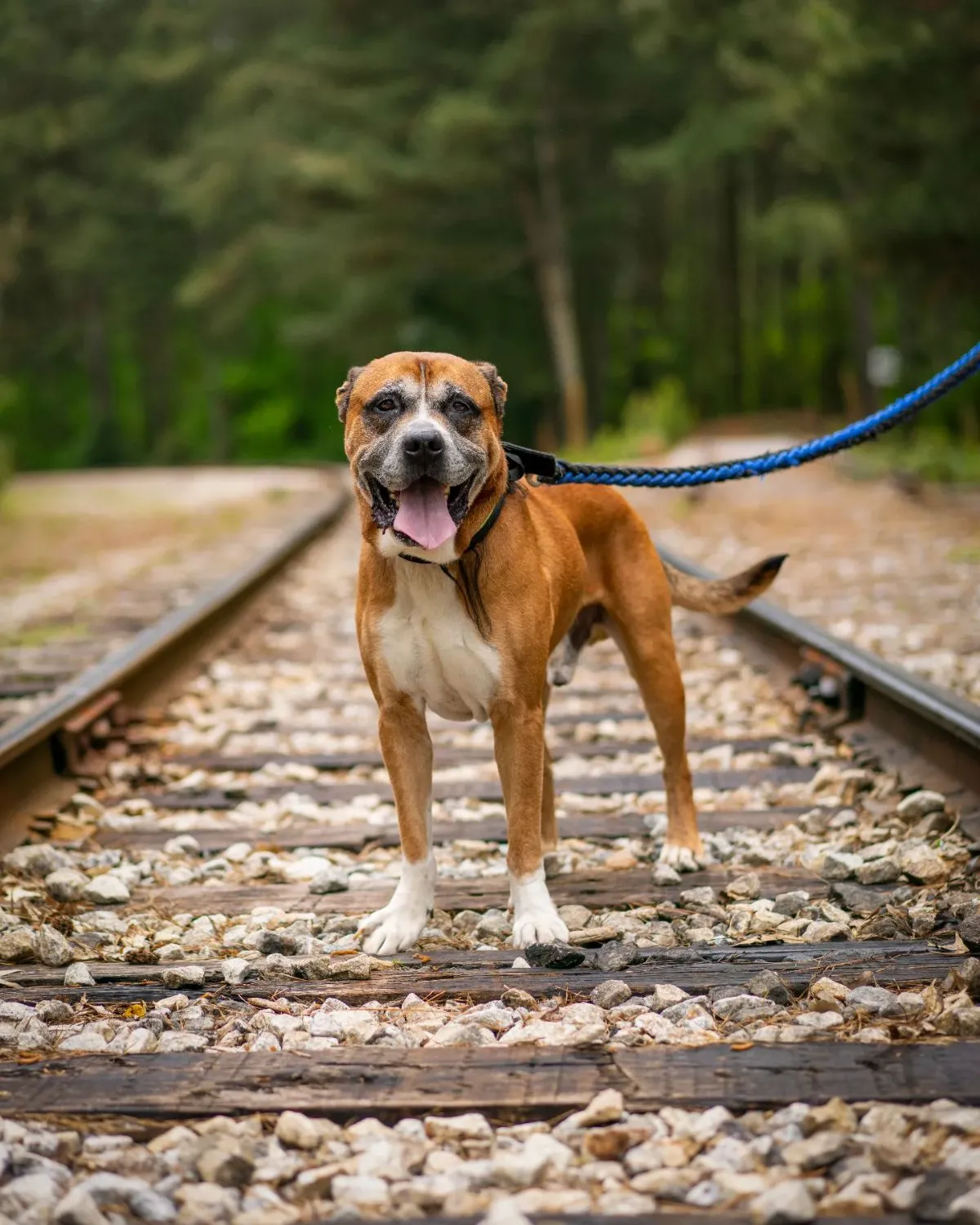
Older dogs are often the most overlooked residents in a shelter environment. They typically arrive already house-trained and are well past the destructive chewing phase of puppyhood. A guardian offering a cozy living room is an absolute dream for these seasoned companions.
- Minimal Exercise Needs: Short, gentle walks on a leash are usually enough to keep their joints mobile and their minds stimulated.
- Content with Indoor Life: They prefer napping on a sunny rug over chasing squirrels across a massive lawn.
- High Rescue Priority: Shelters are highly motivated to place older dogs in foster care quickly to prevent kennel stress and cognitive decline.
Senior dogs are often the best-kept secret in the rescue world. They are typically calmer, require less vigorous exercise, and are incredibly grateful for a soft bed and a quiet home.
Sherri Franklin, Muttville Senior Dog Rescue
🚁 Muttville Senior Dog Rescue
Rescues 1000+ senior dogs annually
Senior Dog Rescue: A specialized rescue focused on finding homes and providing medical care for aging canine companions.
- Founded by Sherri Franklin to save senior dogs from euthanasia
- Advocates for senior dogs as ideal pets for apartment living
- Focuses on matching low-energy animals with foster homes
Exploring Medical Fosters and Quiet Companions

If you are open to helping dogs in recovery, medical fostering is another incredible route to take. Dogs undergoing heartworm treatment or recovering from orthopedic surgeries are strictly prohibited from running or jumping. Veterinarians explicitly mandate leash-only potty breaks and strict indoor rest for these vulnerable patients.
A home without a fenced yard is actually the preferred environment for a medical foster. It completely eliminates the temptation for the dog to run loose and risk reinjury. Rescue coordinators will actively seek out apartment dwellers or those without yards to ensure these dogs stay quiet and safe during their delicate healing process.
By matching your living situation with a dog that thrives in a smaller space, you set everyone up for success. While finding the perfect fit takes patience, it prevents future behavioral stress. If you ever worry about making the wrong choice, you can always read up on Returning a Foster Dog: Navigating Guilt and Finding the Right Fit to understand how shelters handle transitions.
Ultimately, offering your home to a low-energy animal is a deeply rewarding act of animal welfare.
The Benefits of Adopting Senior or Low-Energy Dogs
- Senior dogs and low-energy breeds have minimal exercise needs, which can be easily met with short leash walks rather than a large yard.
- Applying for a quieter or older dog turns a yard-free home from a potential liability into a highly desirable environment for rescue shelters.
- Medical foster dogs recovering from surgery require strict indoor rest, making yard-free homes the ideal setting for their recovery.
Post-Procedure Phase
Restricted Movement
Mandatory leash-only potty breaks help prevent jumping or running.
Recovery Window
Strict Indoor Rest
Eliminating yard access prevents the temptation for high-impact activity.
Final Phase
Veterinary Clearance
Adherence to a quiet indoor environment ensures successful healing.
4. Showcase Previous Leash-Handling Experience

Animal rescue organizations prioritize the safety of their animals above all else. When a physical barrier like a fence is absent, your leash handling skills become the primary line of defense. Highlighting your past experience managing dogs on leashes can significantly ease a rescue coordinator’s mind.
Be specific about your history as an animal guardian. If you successfully managed a high-energy breed or a flight-risk dog in a leash-only environment previously, you must share those details. Explain your past daily routines, emphasizing consistent potty walks and structured outdoor enrichment.
The use of appropriate walking equipment, such as front-clip harnesses or head halters, can significantly improve control and safety during walks, especially with large or reactive dogs.
American College of Veterinary Behaviorists (ACVB), ACVB Public Resources
When filling out your foster application, explicitly list your leash handling competencies. Rescue directors look for proactive guardians who understand the mechanics of safe dog walking. Showing fluency in safety protocols proves you are prepared for the responsibility.
- Double-Leashing: Using two leashes attached to both a martingale collar and a secure harness to prevent escape.
- Situational Awareness: Scanning environments for off-leash dogs, busy roads, or startling noises that could spook a fearful animal.
- Positive Reinforcement: Redirecting a dog with high-value treats rather than relying on leash corrections.
- Secure Grip Techniques: Utilizing a proper thumb lock or wrapping the leash securely to prevent it from slipping out of your hand.
Volunteer Work and Professional Handling

If you do not have a robust history of personal dog guardianship, volunteer work is a powerful alternative. Mention any hours spent walking dogs at local municipal shelters or private sanctuaries. This proves you have hands-on experience managing animals with unpredictable behaviors or unknown backgrounds.
If you are preparing for your first day at a rescue facility, knowing what to wear to an animal shelter volunteer orientation ensures you arrive ready to safely handle leash-training sessions. Wearing sturdy, closed-toe shoes and weather-appropriate clothing demonstrates that you take physical safety protocols seriously from day one.
A secure leash in capable hands offers just as much safety to a rescue dog as the highest fence.
Professional experience also counts heavily in your favor when applying to foster. If you have ever worked as a dog walker, a veterinary technician, or completed community service at an animal shelter, emphasize these vital roles.
Such experiences prove you are deeply comfortable managing canine behavior in open, unfenced environments.
Mastering Leash-Handling Competency
- Detail your history managing high-energy or flight-risk dogs on leashes to ease the minds of rescue coordinators.
- Highlight your knowledge of safety protocols like double-leashing, situational awareness, and secure grip techniques on your application.
- Leverage shelter volunteer experience to demonstrate hands-on familiarity with unpredictable animal behaviors.
- Prioritize safety from day one by wearing appropriate gear, such as sturdy closed-toe shoes, during orientations and walks.
5. Map Out Nearby Green Spaces and Walking Trails
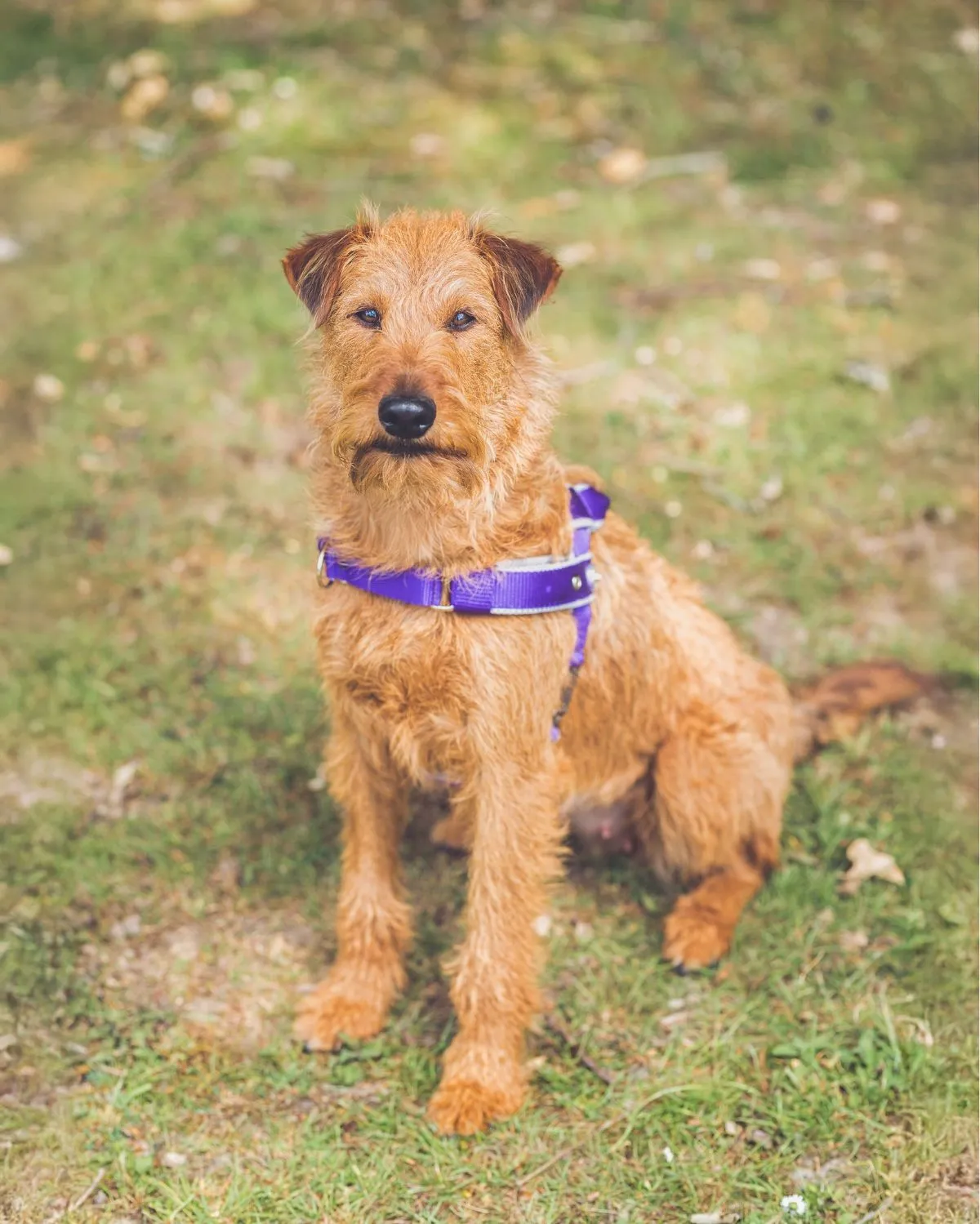
Rescue coordinators want to see that you have thoughtfully considered how to fulfill a dog’s physical needs. A physical fence is merely a convenience for humans. True animal enrichment requires active engagement, exploration, and sensory stimulation.
By mapping out the green spaces near your home, you prove that you are prepared to put in the work. When filling out your foster application, explicitly list the local parks, quiet neighborhood loops, and nature trails you plan to visit. This proactive approach shows the shelter team that you are dedicated to the animal welfare journey.
A fenced yard is a convenience, but a dedicated guardian exploring the world with their dog is an adventure.
Identify Daily Exercise Routes
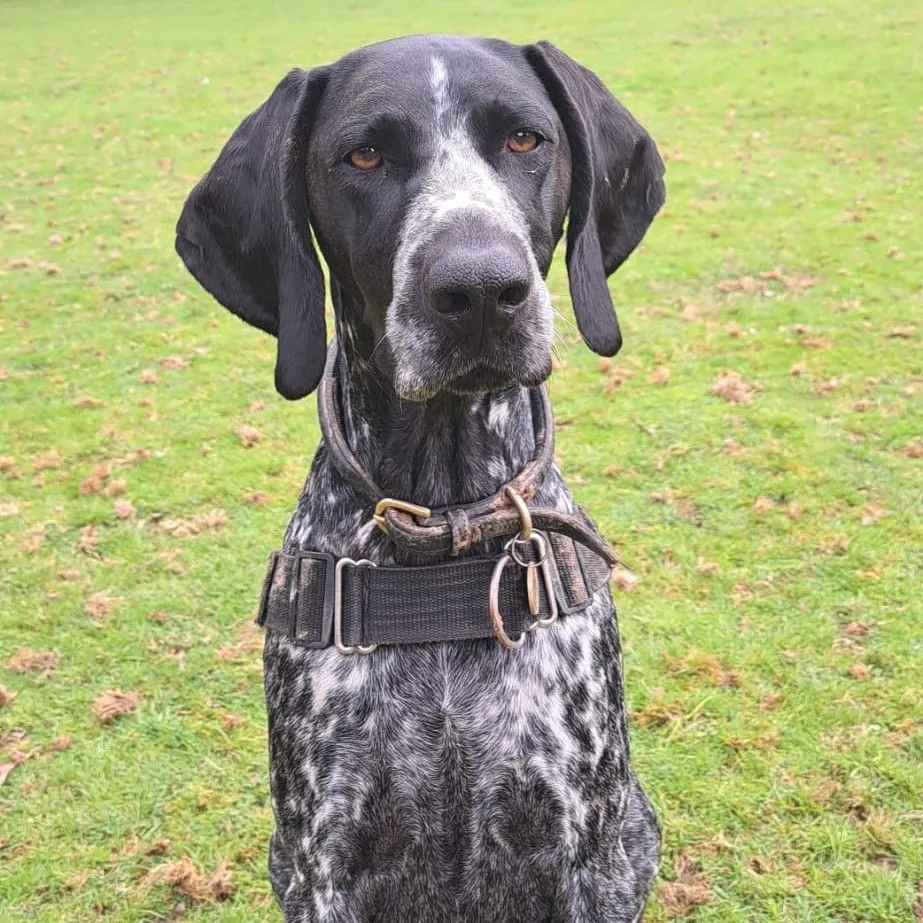
A successful foster experience relies heavily on a structured daily routine. Without a backyard to open a door to, you will need a solid plan for morning bathroom breaks and evening strolls. Take a walk around your neighborhood and scout out the best locations for a dog to safely relieve themselves.
You should also research nearby nature reserves that allow dogs on leashes. Variety is highly beneficial for a dog residing in a shelter environment. Being able to offer different sights and textures can greatly accelerate their rehabilitation process.
Failing to provide adequate outlets for a dog’s energy can lead to behavioral challenges. These challenges are a common reason people end up navigating foster guilt and returning a dog to the shelter.
Prevent this by building an outdoor itinerary before you even bring your foster dog home.
Consider preparing a list of these distinct outdoor environments for your application.
- Quick Potty Zones: Identify a quiet patch of grass right outside your apartment or home for late-night or early-morning relief.
- Decompression Trails: Locate wooded paths or low-traffic hiking trails where a dog can relax away from city noise.
- Training Fields: Find open, quiet park spaces where you can safely practice basic obedience on a secured long leash.
- Paved Neighborhood Loops: Map out a predictable one-mile loop for consistent, structured physical exercise.
Focus on Mental Enrichment Over Physical Space
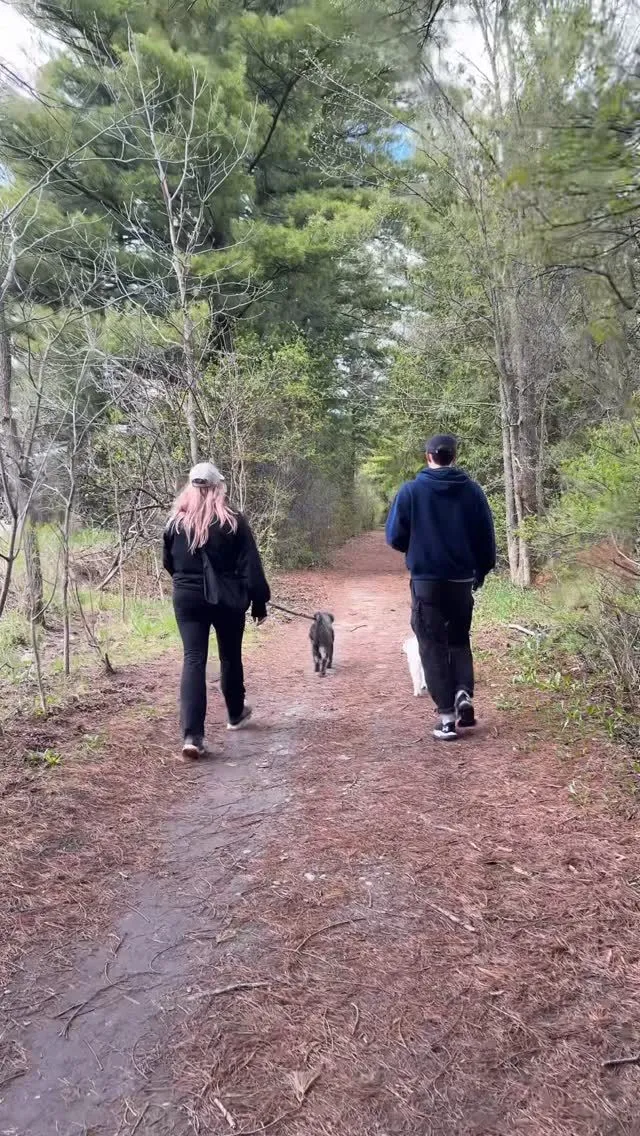
Many rescue organizations are shifting their perspective on the strict fenced yard requirement. Animal behaviorists now recognize that backyards often create lazy habits. A dog left alone in an empty yard is rarely receiving meaningful enrichment.
Structured walks provide deep sensory engagement that a static backyard simply cannot match. Introduce the rescue team to your plan for taking the dog on “sniffaris.” These are slow, intentional walks where the dog is permitted to sniff their environment for as long as they want.
Allowing your dog to stop and sniff the environment provides excellent mental stimulation… mental stimulation can be as tiring as physical exercise.
Dr. Ryan Llera and Lynn Buzhardt, VCA Animal Hospitals
Explain to the rescue organization that you intend to use your local green spaces specifically for this type of sensory work. Assure them that you will always follow responsible animal handling guidelines. This includes using a secure, well-fitted harness and keeping the foster dog on a leash at all times in public spaces.
Beyond the Backyard: Planning Outdoor Adventure
- Proactive Planning: Listing specific local parks and walking routes on your foster application proves to rescue groups that you are ready to meet a dog’s physical and developmental needs.
- Diversified Routes: Identify multiple outdoor environments, such as quick potty zones, low-traffic decompression trails, and open training fields, to support different stages of rehabilitation.
- Enrichment Over Convenience: Active exploration and sensory stimulation during walks offer far more mental enrichment and behavioral benefits than simply letting a dog out into a fenced yard.
Proof Over Property: Becoming the Foster Hero They Need
Fostering a dog without a fenced yard is entirely possible when you lead with compassion and preparedness. Rescue organizations simply want to know that the animals in their care will be safe, loved, and adequately stimulated. A physical barrier is merely a convenience, not a requirement for a thriving canine.
By highlighting your active lifestyle and presenting a concrete daily schedule, you can easily address any concerns an adoption coordinator might have. Detailed walking routines and commitments to mental enrichment show that you deeply understand animal welfare.
You are proving that a dedicated guardian is far more valuable than an empty plot of grass.
Never let the lack of a backyard deter you from saving a life. There is a shelter dog waiting right now who simply needs a soft bed, a sturdy leash, and a human willing to take them on daily adventures. Step forward with confidence, submit that application, and get ready to transform a rescue dog’s entire world.
Fostering Without a Yard: Common Questions Answered
Not at all. Many rescue organizations happily approve apartment dwellers, provided they demonstrate a clear plan for regular exercise and potty breaks. Emphasizing your commitment to daily walks and mental stimulation often outweighs the size of your living space.
Structured daily walks, nature hikes, and ‘sniffaris‘ are fantastic ways to provide physical and mental enrichment. Engaging in indoor training sessions and using puzzle toys also ensures your foster dog stays mentally stimulated even without off-leash yard time.
Creating a concrete schedule is essential. You can arrange for a mid-day dog walker, come home during your lunch break, or utilize indoor potty pads for smaller dogs or puppies if approved by the rescue.
Most rescue organizations strictly prohibit taking foster dogs to off-leash dog parks due to unpredictable behavior and disease risks. It is always better to rely on leash walks, long-line training in safe areas, and structured outdoor time.