


Table of Contents
- 1. Accept That Returning a Foster Dog is Sometimes Necessary
- 2. Contact Your Rescue Coordinator Immediately
- 3. Document the Specific Behavioral or Lifestyle Clashes
- 4. Give the Organization Time to Find an Alternative Placement
- 5. Focus on the Valuable Data Gathered for the Next Foster
- A Compassionate Choice: Embracing the Reality of Fostering
- Frequently Asked Questions About Fostering Challenges
Fostering serves as a critical bridge in the animal rescue pipeline. However, it often carries a heavy emotional weight when a placement does not align.
The decision to return a dog frequently feels like a personal failure. In the reality of welfare work, this is a necessary step toward a successful outcome.
We must approach these transitions with the same professional objectivity used in wildlife rehabilitation, where the primary objective is always the long-term well-being of the individual.
Every animal possesses a unique behavioral profile that requires a specific niche within a human household. When a foster dog struggles to adapt to its environment, it is often a biological signal that its specific needs are not being met by its current setting.
Identifying these discrepancies is a vital form of advocacy that ensures the dog eventually finds a habitat where it can truly flourish rather than merely survive.
Navigating the guilt of a return requires a shift in perspective from failure to data collection. By providing detailed observations about the animal’s temperament and requirements, you contribute essential information to its rescue journey.
This knowledge is a gift that allows the rescue organization to refine its search for the ideal match. Such a contribution honors both the dog and the integrity of the broader conservation effort.
The Rescue Reality Flash Sheet
- While fostering is an incredible act of compassion, recognizing your limits and returning a dog is sometimes the most responsible and humane choice for both of you.
- Learn to distinguish between normal adjustment behaviors like initial hiding or pacing and unsustainable issues such as unprovoked aggression or severe, self-harming anxiety.
- Understand that a lifestyle mismatch does not mean you failed; even a brief stay provides rescues with vital behavioral data to find the dog’s true forever home.
- Release any lingering guilt by remembering that prioritizing safety and a suitable environment is the ultimate foundation of ethical animal welfare.
1. Accept That Returning a Foster Dog is Sometimes Necessary

Fostering a dog is an incredibly generous act of animal welfare, but the experience is rarely perfectly smooth. You open your home with the best intentions, only to find that the daily reality can be overwhelming.
When a placement becomes unsafe or entirely unmanageable, you must prioritize a safe resolution. The most responsible action is to communicate honestly and immediately with the rescue operation.
View MidWest Homes for Pets Folding Metal Dog Crate on AmazonMany new foster guardians experience intense guilt when they realize they cannot meet a specific dog’s needs. Society often romanticizes the rescue journey, painting it as an instant bond filled with immediate gratitude.
In reality, traumatized or highly anxious dogs require specialized care, extensive behavioral modification, and specific environmental setups. These requirements may include using tools like the ADAPTIL Calm Home Starter Kit to help the animal feel safe.
Fostering is a journey of compassion, and sometimes the bravest choice you can make is admitting a specific environment is not the right fit for a dog.
Recognizing your limits does not mean you failed the animal. Every home environment is unique.
A setting that works perfectly for a senior dog might cause severe distress for an under-socialized adolescent dog. Accepting this truth is the first step toward making a healthy decision for both you and the animal in your care.
Recognizing When the Match is Not Right

Animal behavior is heavily influenced by surroundings. A dog that appeared calm in a shelter might exhibit intense separation anxiety or reactivity once placed in a busy neighborhood.
Some dogs require constant supervision via a Furbo 360° Dog Camera to prevent property damage or self-injury. In these instances, the situation can quickly become unsustainable.
View Zak George’s Dog Training Revolution on AmazonSometimes the issue stems from a lifestyle mismatch rather than behavioral severity. You might have researched how to foster a dog while working full time. However, the specific dog you brought home requires midday medical interventions or extensive potty training.
If your schedule genuinely cannot accommodate these needs safely, the animal is better served in a different environment.
Even a brief stay in a foster home gives us valuable information about how the animal behaves in a home environment, which helps us make a better permanent match.
ASPCA Professional Guidelines, ASPCApro Foster Care Programs
Safety must always remain your absolute priority. If a foster dog shows severe, unprovoked aggression toward you, your family members, or your existing pets, you must contact the shelter immediately.
Ethical rescue organizations prioritize volunteer safety and never want to see their fosters placed in physical danger.
| Normal Adjustment Period (The 3-3-3 Rule) | Valid Reasons for an Immediate Return |
|---|---|
| Hiding under furniture for the first few days | Unprovoked aggression toward humans or pets |
| Occasional indoor potty accidents | Severe separation anxiety causing self-harm |
| Pulling on the leash during initial walks | Inability to safely manage a high bite-risk dog |
| Whining or pacing at night | Landlord strictly demanding the dog’s removal |
🚁 ASPCA
National
National Animal Welfare Org: This organization is a national leader in animal rescue that provides professional guidelines and resources for foster care programs.
- Provides professional training for animal welfare staff
- Operates national emergency rescue services
- Established the ASPCApro foster care guidelines
First 3 Days
Decompression and initial adjustment
Dogs may hide under furniture or experience appetite changes due to stress.
First 3 Weeks
Settling into a routine
The dog’s true personality and behavioral habits begin to emerge.
First 3 Months
Building total trust and security
The dog finally feels safe and establishes a permanent bond with the household.
Releasing the Guilt of the Return
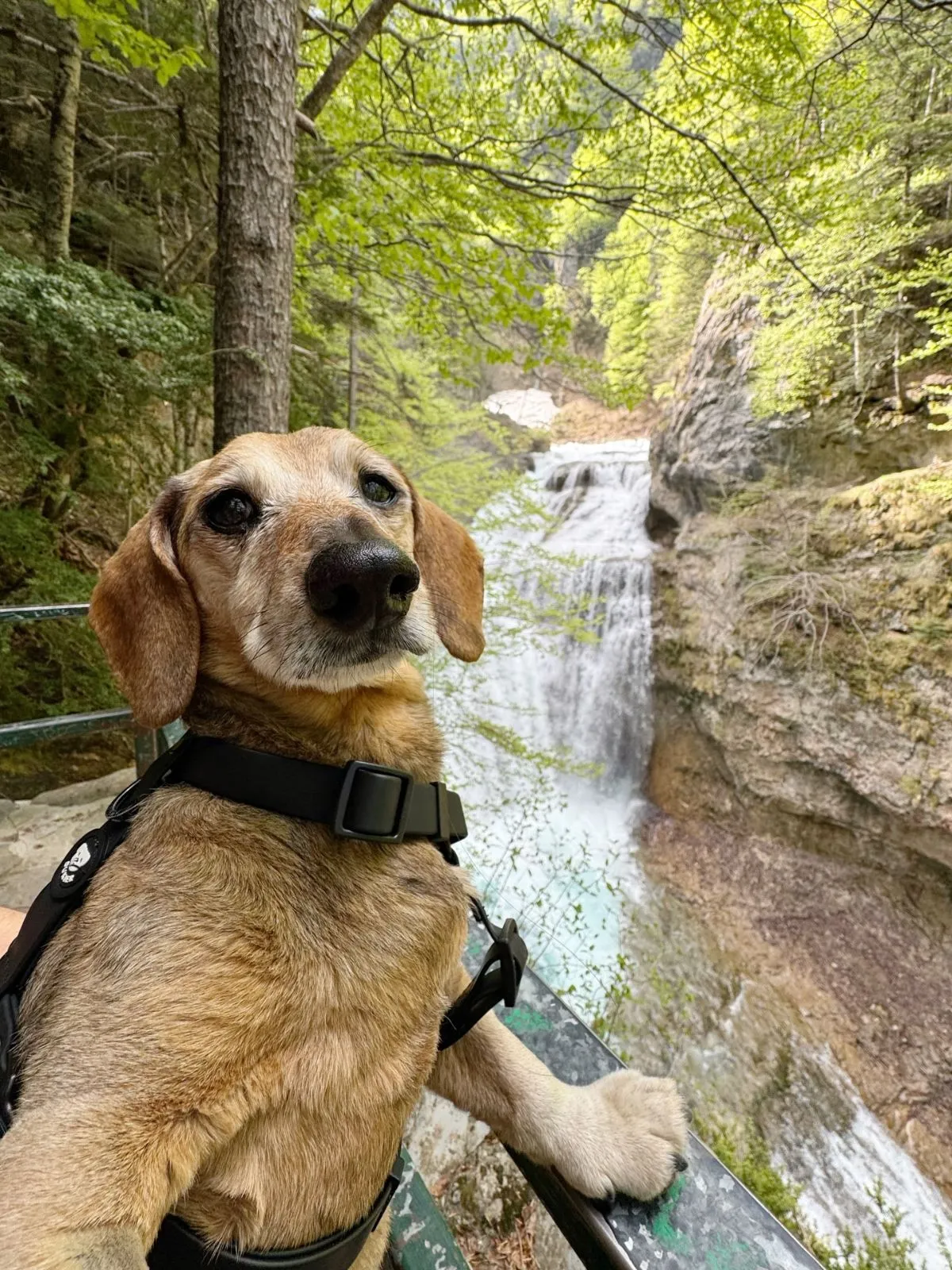
Guilt is a natural byproduct of caring deeply about animal welfare. You might feel as though you are abandoning an animal that has already faced countless rejections.
However, keeping a dog in a chronically stressful environment does them a disservice. Their well-being suffers when their fundamental needs cannot be met.
Reframe the return as a critical data-gathering mission. Your time with the dog has provided the rescue organization with vital notes on their triggers and habits.
You have also observed their true personality outside of a kennel environment. This information directly contributes to finding an adopter with the exact skills needed to help the dog thrive.
Be completely transparent with the rescue coordinator about why the arrangement is not working. Detail the specific behaviors and schedule limitations that made the situation difficult.
Explain the exact moments when things felt overwhelming. This honest communication ensures the dog is placed in a more suitable foster care situation next time.
Navigating the Tough Choice: When Fostering Doesn’t Work Out
- Admitting a dog isn’t the right fit for your home is an act of compassion, not a personal failure.
- A dog’s behavior can change drastically in a new setting, and lifestyle mismatches are a perfectly valid reason for a return.
- Even a brief, unsuccessful foster stay provides the rescue with crucial behavioral insights to help find the dog’s true forever home.
- Safety must always be the top priority; if a foster dog displays severe aggression toward humans or other pets, contact the rescue immediately.
2. Contact Your Rescue Coordinator Immediately
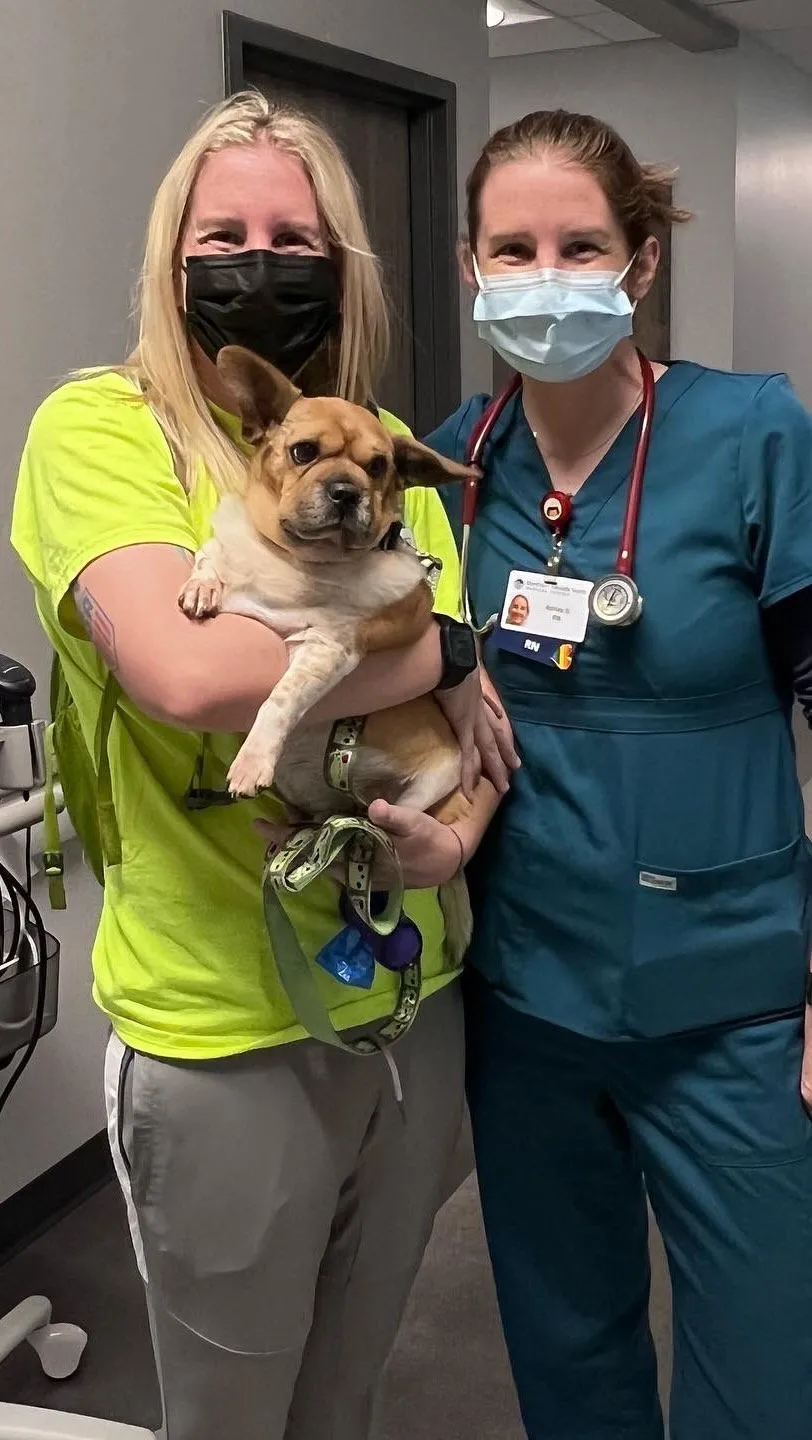
Reaching out for help is the most responsible action a temporary guardian can take. Your rescue coordinator is your dedicated lifeline in the animal welfare community.
They understand that living with a new animal can be incredibly stressful. Rescue organizations want the best outcome for both you and the dog.
When you feel overwhelmed, do not wait until you are completely burned out to send that email or make that call. Early communication prevents minor behavioral challenges from turning into unmanageable crises.
Honesty in animal fostering is not a sign of failure. It is the clearest path to finding the perfect environment for a dog in need.
Shelter staff have seen every possible scenario. They will not judge you for struggling with a high-energy dog or a complex medical case.
If you are trying to balance dog care with a demanding schedule, please let them know. You can also review resources on how to foster a dog while working full time to see if simple routine adjustments might ease the burden.

Essential Details to Share With Your Coordinator
Clarity is your best tool when discussing a placement that feels like too much. Write down your specific concerns before you make the call.
Vague statements like “he is difficult” do not give the rescue team enough context. Instead, provide observable facts about the animal’s behavior and your household dynamics.
- Triggering Events: Note exactly what happens before the dog barks, lunges, or hides.
- Schedule Conflicts: Be clear if the time commitment strictly exceeds your initial availability.
- Safety Concerns: Immediately report any signs of resource guarding or anxious posturing.
- Household Stress: Explain how the situation is affecting resident pets or family members.
Providing this level of detail allows the shelter to update the dog’s behavioral profile. It ensures their next foster home or permanent family is much better equipped to support them.
Open and honest communication is the foundation of a successful foster program. Caregivers must feel empowered to express their limits without fear of judgment, ensuring the safety of both the human and the animal.
Best Friends Animal Society, Foster Programs Resource Guide
Sometimes your coordinator can offer immediate interventions to save the placement. They might arrange for a professional behaviorist to visit your home and assess the situation.
They could also connect you with temporary relief, such as an emergency dog walker or a weekend sitter. Finding these small pockets of relief can completely change your perspective on the fostering experience.
However, if returning the dog is the only safe and healthy option, your coordinator will begin mapping out a transition plan. Remember that the ultimate goal of any rescue operation is sustainable and ethical care.
Key Takeaways: Communicating With Your Rescue Coordinator
- Reach out to your rescue coordinator early before minor behavioral challenges escalate into unmanageable crises.
- Be completely honest about your struggles; rescue staff have seen it all and will not judge you for needing assistance.
- Provide specific, observable facts about the dog’s behavior, your schedule conflicts, and household stress instead of vague complaints.
- Sharing detailed behavioral feedback allows the shelter to update the dog’s profile and find a better-equipped home for their next placement.
🏞️ Best Friends Animal Society
National
No-Kill Movement Leader: A leading animal welfare organization dedicated to ending the killing of dogs and cats in shelters through community programs.
- Operates the largest no-kill animal sanctuary in the United States
- Pioneer of the No-Kill 2025 initiative
- Provides comprehensive foster program resource guides for volunteers

Meet Jack!
Jack is a shy but loyal 2-year-old mix who has flourished in his foster home and is seeking a patient owner to help him continue building confidence.
Adopt Me3. Document the Specific Behavioral or Lifestyle Clashes

When you realize a foster placement is not working out, clear documentation becomes your most powerful tool. Documenting specific details removes emotion from the equation and ensures the situation is handled objectively.
These records provide rescue coordinators with the data they need to make informed decisions. This information is vital for the animal welfare organization to eventually find a more suitable permanent guardian.
Fostering is fundamentally an information-gathering mission. Even if the dog cannot stay in your home, the data you collect is incredibly valuable.
Your honest feedback ensures the rescue team does not unknowingly place the dog into another incompatible environment.
Identify the Core Behavioral Challenges

Instead of simply telling the rescue that the dog is too difficult, pinpoint exactly what is happening. Note the specific triggers that cause the dog distress or lead to unwanted reactions.
Try to observe if the dog shows extreme fear around loud noises or reacts poorly to unfamiliar house guests.
Creating a daily log to track these incidents helps the rescue team understand the dog’s specific needs. This documentation helps determine if the animal requires specialized behavioral intervention.
This tracking separates temporary stress responses from deeply ingrained behavioral challenges. Such context gives professional rehabilitators a clear starting point for their training plans.
To provide the most helpful feedback to your shelter team, be sure to record the following details:
- Trigger Events: Note exactly what happened in the environment immediately before the behavioral reaction occurred.
- Body Language: Describe physical signs of stress, such as tucked tails, pinned ears, or excessive panting.
- Duration of Reaction: Record how long it took for the dog to calm down and return to a relaxed state.
- Successful De-escalation: Document any specific actions or quiet spaces that successfully helped the dog feel safe again.
Because behavior is profoundly context-specific, a dog who is terrified in a shelter may act entirely differently in a home, which makes foster observations incredibly critical for successful placements.
Dr. Karen Overall, Manual of Clinical Behavioral Medicine for Dogs and Cats
Evaluate the Environmental Mismatches

Sometimes the issue is not a behavioral flaw at all. It is simply a clash in living environments.
A high-energy working breed might become overly vocal or anxious in a small apartment without access to a fenced yard. Similarly, a senior dog with mobility issues might struggle significantly in a multi-level home with steep stairs.
Documenting these lifestyle clashes helps the shelter create a much more accurate adoption profile. If you realize your current schedule or home layout is exacerbating the dog’s stress, please communicate those details clearly. This level of transparency allows the rescue to find a guardian with an environment perfectly suited to the animal.
If the hands-on demands of fostering are simply too much right now, you can still fiercely support the rescue community. Many shelters desperately need administrative help, digital advocacy, or fundraising support.
You might find that exploring remote volunteer opportunities for animal rescue is a much better fit for your current capacity.
Returning a foster dog with detailed, compassionate notes is not a failure; it is a profound act of advocacy that guides them to their perfect home.
Mastering the Art of Foster Documentation
- Treat your foster placement as an essential information-gathering mission to help rescues find the best permanent home.
- Keep an objective daily log detailing specific trigger events, stress signals, and how long reactions last to remove emotion from your assessment.
- Document successful calming strategies and quiet spaces that help the dog de-escalate and feel safe again.
- Recognize that some issues are simply environmental mismatches rather than inherent behavioral flaws.
4. Give the Organization Time to Find an Alternative Placement

When you realize that fostering a specific dog is beyond your current capacity, your immediate instinct is often to seek a quick resolution. However, rescue organizations and shelters operate under intense and constant logistical strain.
They rely on a delicate web of available space, volunteer availability, and carefully managed resources. Every placement must be perfectly coordinated to ensure the safety and well-being of all animals in their care.
Demanding an immediate removal puts the organization in a severe bind, especially for foster-based rescues without physical facilities. If the organization operates a shelter, an abrupt return thrusts the dog back into a chaotic, loud kennel environment without preparation.
This sudden shift can cause extreme anxiety and behavioral regression in a dog that was just starting to decompress. Providing a reasonable buffer period allows rescue coordinators to reach out to other foster guardians and secure a safe, appropriate landing spot.
Shelter environments are inherently stressful for animals. Keeping dogs in a home environment, even temporarily while awaiting a new placement, is critical for minimizing behavioral deterioration and reducing anxiety.
Koret Shelter Medicine Program, UC Davis School of Veterinary Medicine
How to Safely Manage the Transition Period

Waiting for a new placement can be overwhelming when your personal resources are already stretched thin. The key is to minimize stress for both you and the dog by temporarily scaling back your expectations. You do not need to continue intensive training or force interactions during this waiting period.
Instead, focus entirely on basic safety and routine management. Create physical boundaries that allow the dog to exist quietly without demanding your constant emotional bandwidth.
Use this practical checklist to maintain a peaceful environment while the rescue works on a permanent solution.
- Utilize a quiet space: Set up a comfortable crate or a designated safe room with water, a cozy bed, and engaging chew toys to keep the dog mentally occupied.
- Stick to a strict routine: Feed and walk the dog at the exact same times every day. Predictability drastically lowers canine anxiety and reduces problematic behaviors like pacing or vocalizing.
- Limit household stimulation: Pause any home visitors, avoid highly stimulating environments like dog parks, and keep the general household volume low.
- Communicate clearly with the rescue: Provide the organization with honest, specific behavioral notes so they can match the dog with a more suitable foster guardian moving forward.
Patience during a foster transition saves lives. Giving a rescue time to find the right placement prevents a dog from bouncing back into a highly stressful shelter environment.
If you feel completely burned out by the fostering experience, remember that hands-on animal care is not the only way to support conservation and rescue efforts. You might find that quiet shelter volunteer roles or behind-the-scenes administrative tasks are a much better fit for your current lifestyle.
There is absolutely no shame in acknowledging your limits when it comes to animal welfare. Recognizing that a dog needs a different environment is a responsible, compassionate decision that ultimately serves the animal’s best interests.
Your willingness to provide a safe buffer zone while the rescue orchestrates a seamless transfer is a deeply vital part of the rehabilitation journey.
Managing the Interim Placement Period
- Allow rescue organizations a buffer period to find a suitable new foster home without causing logistical strain.
- Prioritize management and routine over intensive training to minimize stress for both you and the foster dog.
- Create a ‘safe zone’ using crates or separate rooms to reduce household stimulation and prevent behavioral regression.
- Communicate specific behavioral notes to the organization to ensure the next placement is a more compatible match.
5. Focus on the Valuable Data Gathered for the Next Foster

Returning a foster dog because the situation feels overwhelming can be incredibly disheartening for any animal lover. However, it is vital to reframe this difficult experience.
View the return as a successful data-gathering mission, rather than a personal failure. Every day a rescue animal spends in your home provides the shelter with critical information about their true personality.
Animal welfare organizations often struggle to predict how a dog will act outside of a stressful kennel environment.
By observing their natural behavior in a quiet living room, you have unlocked crucial pieces of their behavioral puzzle. This deep insight is exactly what their future permanent guardian needs to set them up for lifelong success.
A returned foster dog is not a failure; it is a vital stepping stone of information that lights the path to their perfect forever home.
The Shelter Cannot See What You See

Shelters are inherently chaotic places filled with loud noises, unfamiliar smells, and constant activity. Many dogs shut down entirely or display anxious behaviors that do not accurately reflect who they are on a normal day.
Your home provided a temporary sanctuary where the dog could decompress. This safe environment allowed them to finally relax and reveal their authentic quirks.
You might have discovered that they are terrified of ceiling fans, adore carrots, or require slow introductions to strangers. These observations are far more than just fun facts to share. They are essential puzzle pieces that an adoption counselor will use to screen future applicants and ensure a safe, ethical match.
Foster caregivers are our eyes and ears. The behavior information they collect in a home environment is the most accurate predictor of a pet’s success in a permanent home.
Kelly Duer, Maddie’s Fund
Creating a Comprehensive Behavior Profile

Before you bring the dog back to the rescue operation, take time to write down a detailed behavior profile. Be honest and compassionate about the specific challenges you faced during their stay.
If the dog exhibited severe separation anxiety or reactivity on walks, noting these triggers protects both the dog and their next family from unnatural or unsafe interactions.
- Daily Routine Preferences: Note their ideal feeding times, energy peaks, and preferred sleeping arrangements.
- Triggers and Fears: Detail any specific sights, sounds, or situations that caused stress, such as loud vehicles or sudden movements.
- Social Compatibility: Record their reactions to children, other animals, and unfamiliar visitors entering the home.
- Soothing Techniques: Share what methods successfully calmed the dog down when they became overwhelmed.
Compiling this comprehensive information allows the shelter to craft a highly targeted adoption biography. They can now seek out a guardian specifically equipped to handle unique challenges with patience and care. If navigating these intense behavioral complexities feels like too heavy a burden, remember that animal advocacy takes many forms.
You might find that stepping back from direct animal care allows you to contribute in other meaningful ways. For instance, you could transition to administrative tasks or explore remote volunteer opportunities for animal rescue.
Alternatively, if a bustling shelter environment feels overwhelming, you might consider looking into more specific roles. Exploring opportunities as an animal shelter volunteer with social anxiety allows you to stay connected to the conservation and rescue community. This focused approach helps you contribute effectively without facing burnout.
Turning Experience into Insight: Your Data Matters
- Reframe returning a foster dog as a successful information-gathering mission that provides critical insights into their true personality.
- Understand that behaviors observed in a home environment are the most accurate predictors of a pet’s success in a future permanent home.
- Document specific details regarding daily routines, triggers, and preferences to help adoption counselors screen for the perfect match.
- Create a detailed behavior profile to protect the dog and their next family from unsafe or stressful interactions.
A Compassionate Choice: Embracing the Reality of Fostering
Fostering a dog is a profound act of love, but it is rarely a perfect science. Sometimes, the most compassionate decision you can make is admitting that a placement isn’t working.
Returning a foster dog does not erase the kindness you showed them. The time they spent in your home provides rescues with invaluable behavioral insights.
These observations ultimately help the dog find their true forever home. Release the guilt and remember that your well-being matters just as much as the animal’s.
Every step forward, even a redirection, is a step toward a successful adoption. Keep your heart open, and know that the animal welfare community values your continued dedication.
Frequently Asked Questions About Fostering Challenges
Reputable rescue organizations will not be angry. They prioritize safety and well-being for both the animal and the foster family. Open communication helps them better understand the dog’s needs.
It is absolutely acceptable; returning a dog due to a mismatch doesn’t mean you are a bad foster. Rescues often use this experience to match you with a dog that better suits your lifestyle and environment next time.
Be honest, specific, and prompt. Share detailed observations about the behaviors or situations that became unmanageable. This critical information helps the shelter prepare the next foster home.
It is incredibly common to feel foster guilt, but you have not failed. Even a short stay out of the shelter reduces stress and provides vital information. This knowledge will ultimately guide the dog to their perfect home.