

Table of Contents
- 1. Kennel Cleaning and Behind-the-Scenes Maintenance
- 2. Solo Dog Walking and Yard Socialization
- 3. Quiet Cat Cuddling and Feline Enrichment
- 4. Shelter Laundry and Donation Organization
- 5. Back-Office Administrative Support and Data Entry
- Embracing Your Quiet Power in Animal Rescue
- Common Questions About Quiet Shelter Volunteering
Stepping into the world of animal welfare often feels like entering a whirlwind of urgent needs and high energy, where the raw reality of overcrowded kennels and the silent struggle of a fearful rescue in a back stall dictates every move.
Yet the backbone of any successful rescue operation relies on the quiet dedication of those who prefer the shadows over the spotlight.
For individuals living with social anxiety, the shelter environment offers a unique sanctuary where the nonverbal bond between species takes center stage.
Quiet roles such as preparing Animal Enrichment Items, administrative data tracking, or late night habitat maintenance are vital to the survival of the residents. I recommend focusing on nocturnal feeding or medical record entry to minimize human interaction while maximizing your impact on their welfare.
By focusing on the tangible needs of a creature in recovery, a volunteer provides the stability necessary for a successful rehabilitation journey. The benefits of this service extend far beyond the walls of the kennel or the enclosure.
Engaging in low stress volunteerism allows for a profound sense of purpose without the overwhelming pressure of human social expectations.
This mutual healing creates a powerful legacy of conservation and care, proving that even the most reserved voices can advocate for those who have no voice at all.
Quiet Guardian Summary
- Behind-the-scenes maintenance, such as kennel cleaning and meal preparation, provides a peaceful, low-interaction sanctuary for volunteers navigating social anxiety.
- Engaging in quiet, rhythmic tasks is vital for animal welfare, allowing you to become a silent guardian who directly ensures the health and safety of the rescues.
- Solo dog walking offers a therapeutic escape into nature, letting you build a meaningful, one-on-one bond with a grateful canine companion away from crowded shelter lobbies.
- Embracing these predictable, behind-the-scenes routines empowers you to make a profound impact on animal rehabilitation while finding personal comfort and accomplishment.
1. Kennel Cleaning and Behind-the-Scenes Maintenance
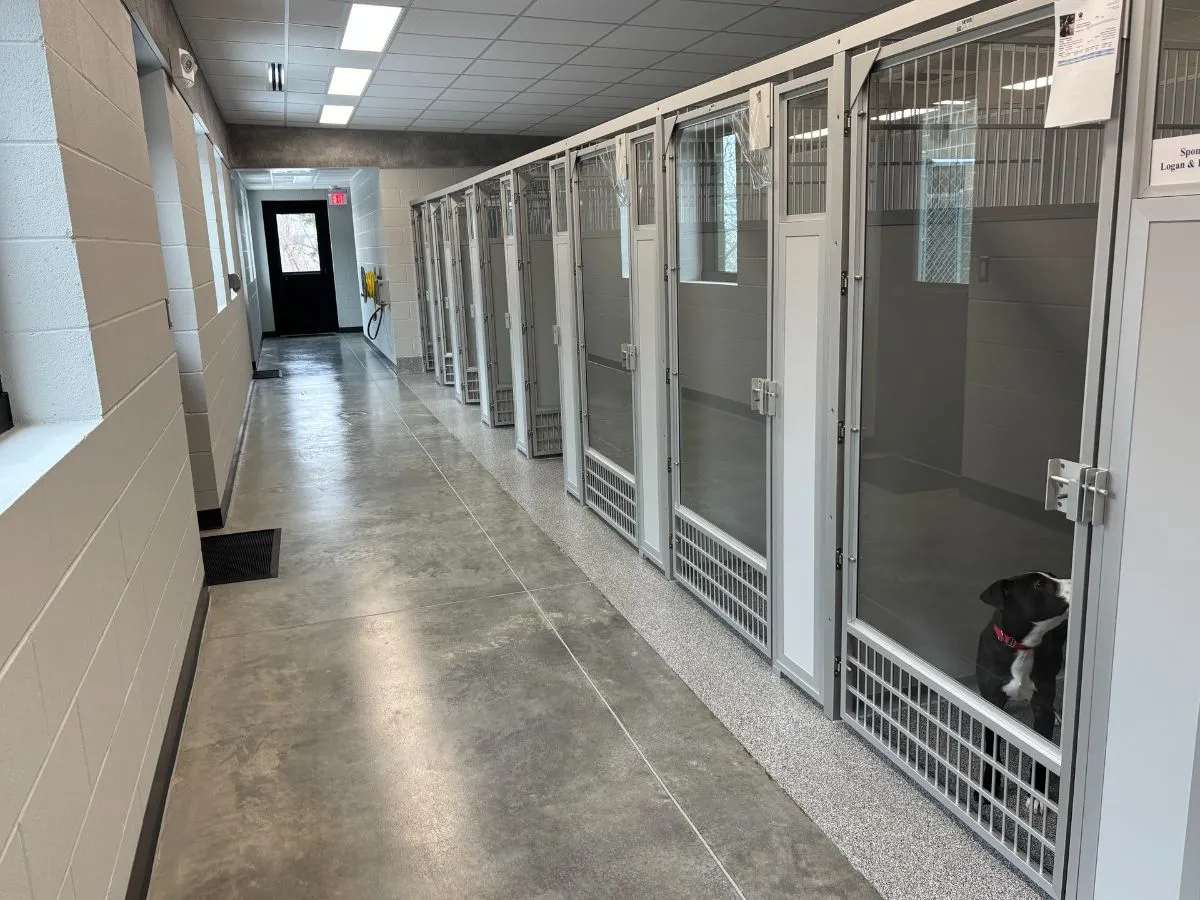
Kennel maintenance is a vital part of every rescue operation. It offers a focused environment for those managing social anxiety.
View Pet-Safe Kennel Cleaning Supplies on AmazonIn the quiet morning hours, you focus on physical tasks. This rhythmic work allows you to contribute without the pressure of human small talk.
You provide habitat protection on a micro scale. Scrubbing surfaces and refreshing linens ensures the safety of every resident.
The atmosphere is often tranquil. You might only hear the soft padding of paws or the clinical scent of Eco-Friendly Pet Soap.
In the quiet hum of a clean kennel, the bond between guardian and helper is built through service, not just words.
📢 ASPCA
Global
Global NGO: The American Society for the Prevention of Cruelty to Animals provides expert protocols for shelter medicine and animal behavior to improve welfare outcomes.
- Develops industry-standard sanitation and disinfection protocols
- Provides specialized training for handling fearful and shy dogs
- Operates the ASPCA Pro platform for shelter professional resources
The Therapeutic Benefit of Behind-the-Scenes Work
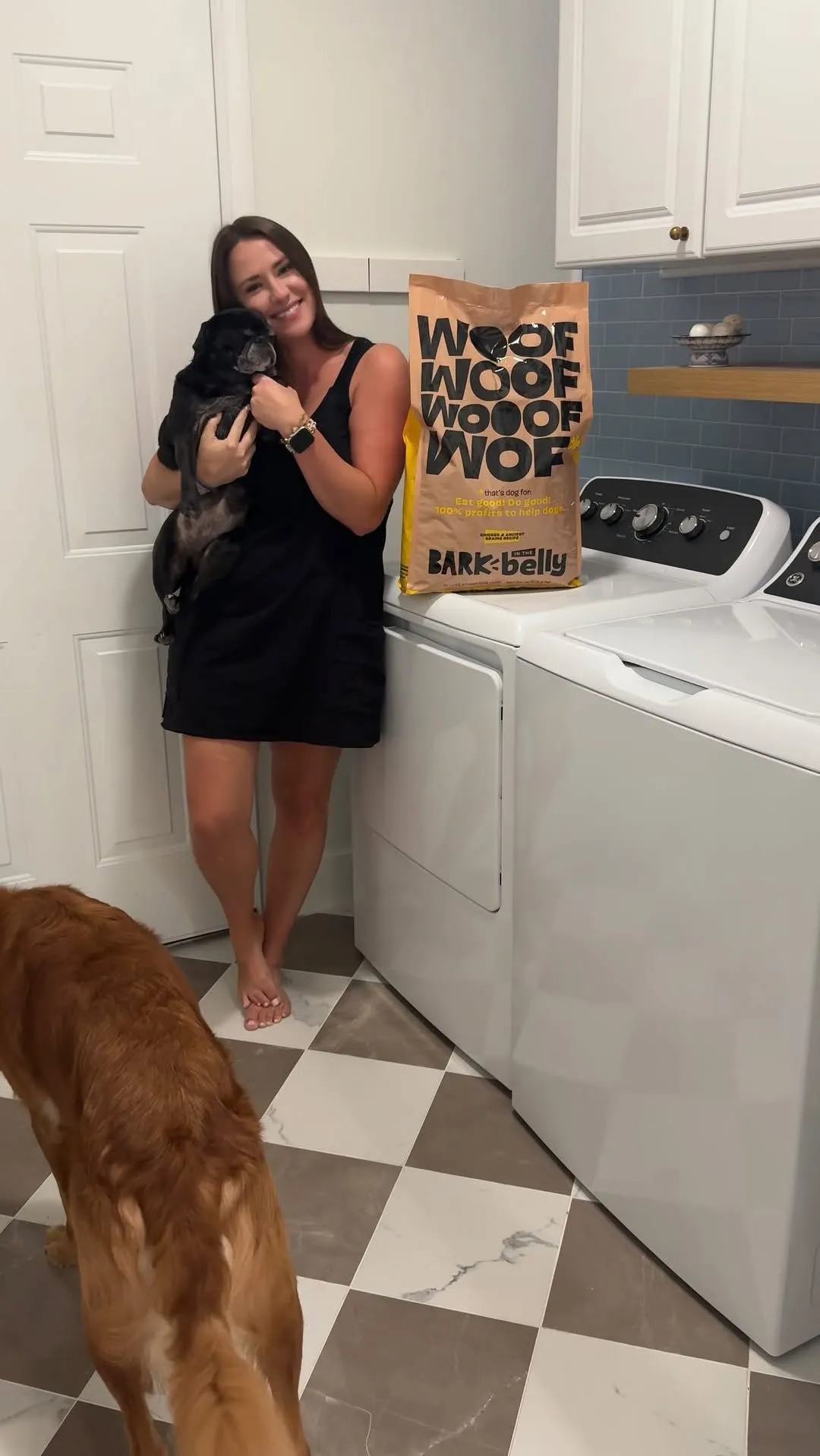
Behind-the-scenes roles are essential for animal welfare. Tasks like laundry and utilizing Animal Food Preparation Tools require very little human interaction.
Focusing on these duties allows you to observe animal behavior safely. You learn to recognize their unique personalities from a distance.
These responsibilities foster a deep sense of accomplishment. You can see the immediate impact of your work on the animals’ comfort.
Learn more about our mission on the about page. We value every quiet contribution to conservation.
Effective cleaning and disinfection protocols are critical to maintaining animal health in a shelter setting.
Dr. Stephanie Janeczko, ASPCA Pro Medical Lead
This role provides a predictable schedule. You know exactly what to expect, which helps manage the symptoms of social anxiety.
By preparing meals or cleaning enclosures, you become a silent guardian. Your work supports the rehabilitation of endangered species and local pets alike.
| Task | Social Interaction | Sensory Atmosphere |
|---|---|---|
| Kennel Scrubbing | ✅ Very Low | Refreshing and physical. |
| Laundry Duty | ✅ Minimal | Warm and rhythmic. |
| Meal Preparation | ✅ Low | Tactile and organized. |
If you are looking for more ways to help, check our blog for volunteer guides. Every small action helps protect wildlife.
The Power of Quiet Care
- Behind-the-scenes tasks like laundry and food prep offer a predictable, low-stress environment ideal for managing social anxiety.
- Engaging in rhythmic, physical work allows volunteers to contribute meaningfully without the pressure of small talk or human interaction.
- Quietly observing animals while maintaining their habitats helps build a strong bond through dedicated, silent service.
- Proper cleaning and sanitation are crucial for animal welfare and provide an immediate, visible impact on their daily comfort.
2. Solo Dog Walking and Yard Socialization
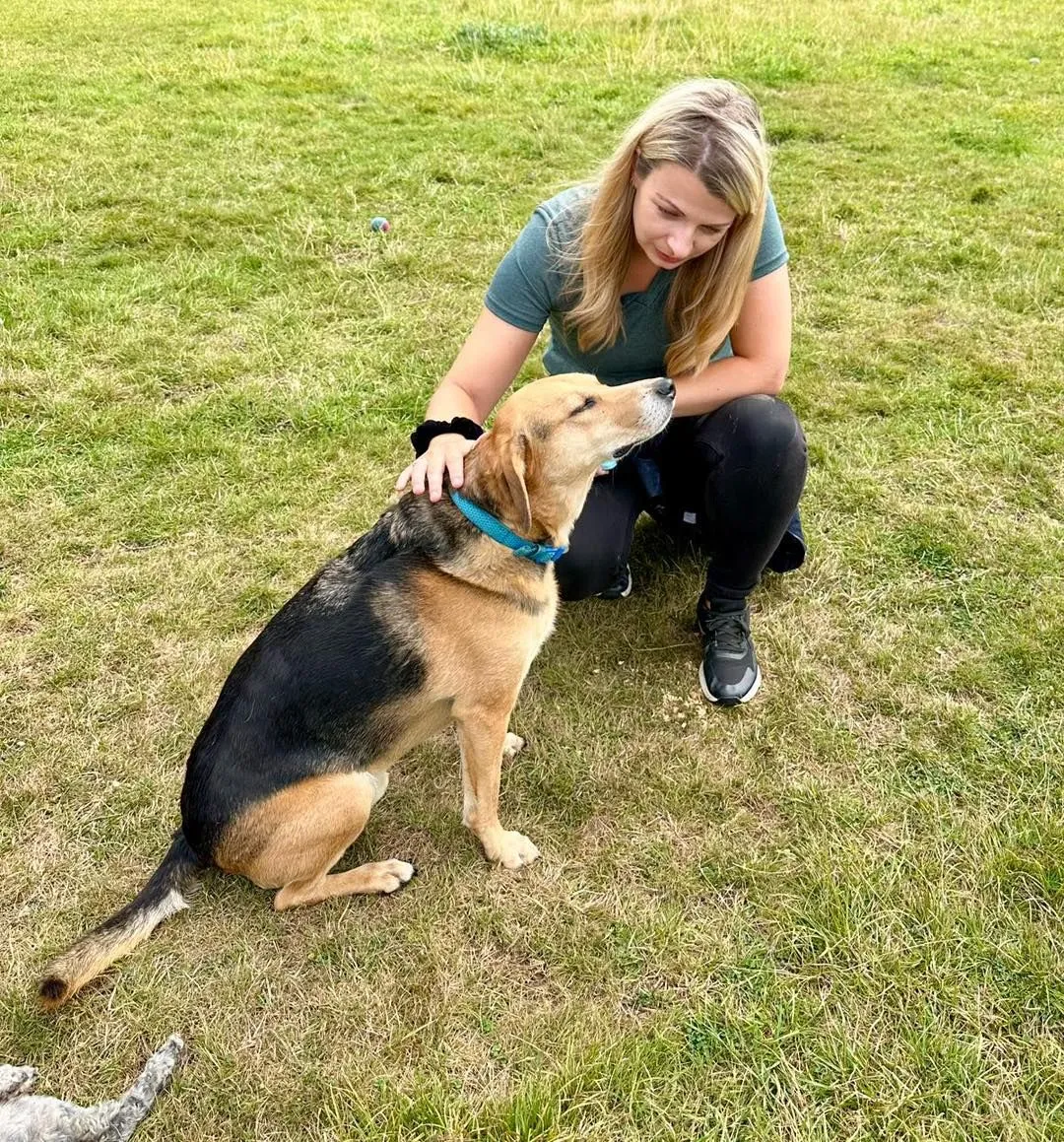
Solo dog walking offers a peaceful escape for volunteers dealing with social anxiety. You get to step away from crowded shelter lobbies and focus entirely on the animals.
Out on the trail, the demands of human interaction fade away. It is just you and a grateful canine companion enjoying the fresh air and natural outdoor surroundings.
Notice the physical traits of your walking partner. Watch how their tail wags catch the rhythm of their steps or how their ears perk up at the sound of rustling leaves.
In the quiet moments shared with a shelter dog, social anxiety melts into pure, unspoken understanding.
The Magic of Yard Socialization
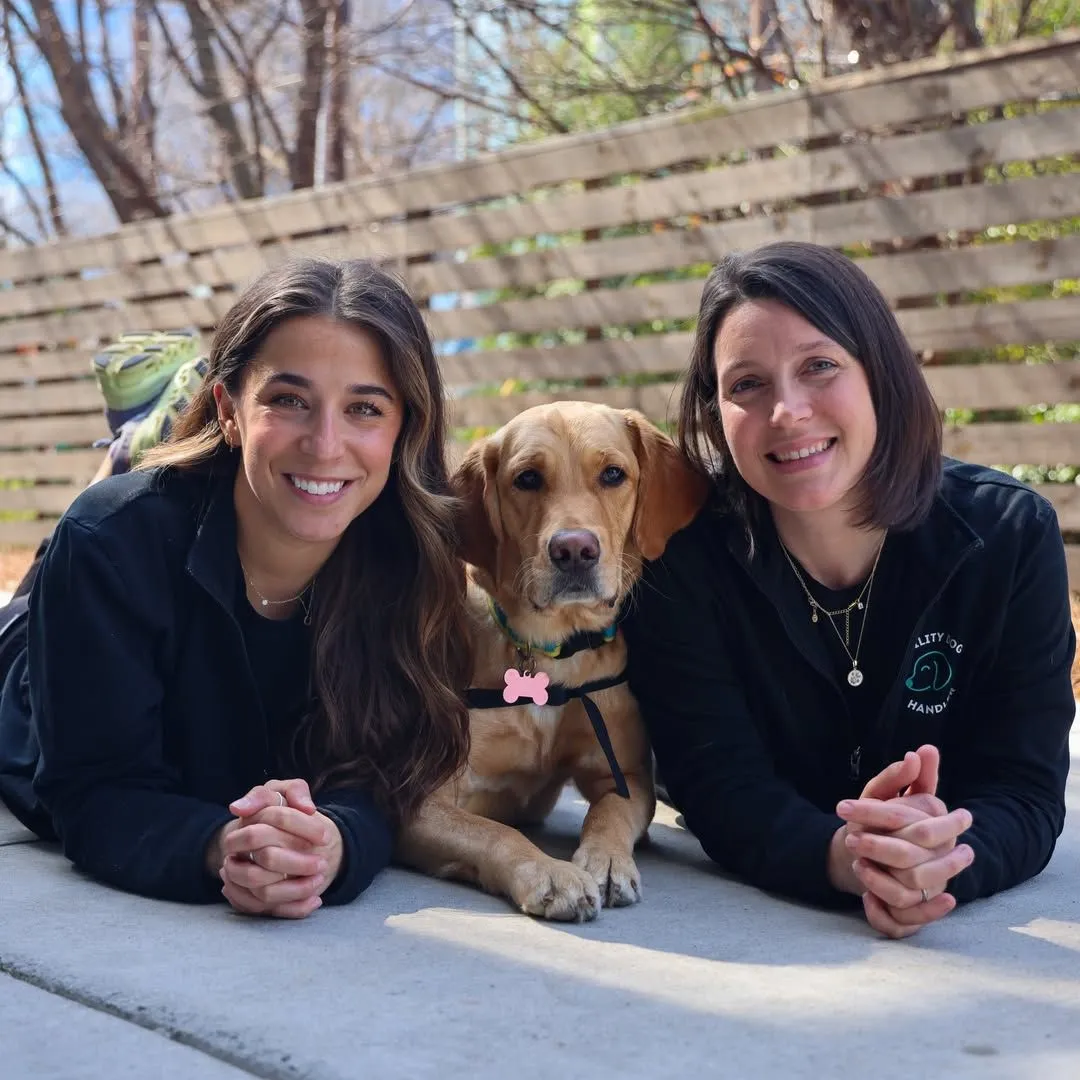
If walking feels too overwhelming, yard socialization is an incredible alternative. This animal welfare practice requires very little movement and zero small talk.
You simply sit quietly in a secure outdoor enclosure. Let the shy or fearful dogs approach you at their own pace. This builds their confidence safely and ethically.
Shelter environments can overstimulate many animals. Your calm presence helps them decompress. Reading a book aloud helps them get used to human voices safely.
Allow the dog to make the choice to approach you. Tossing high-value treats from a distance helps build trust without forcing interaction.
ASPCA Behavior Team, Tips for Working with Fearful Dogs
Follow these practical steps to ensure a safe and rewarding experience for both you and the animal. Always prioritize responsible safety guidelines and shelter rules.
- Stay observant: Watch the dog’s body language closely. Tucked tails or flattened ears indicate fear and a need for space.
- Use safe equipment: Always ensure harnesses and leashes are properly secured before leaving the main shelter building.
- Bring high-value treats: Use positive reinforcement to reward calm, curious behavior while you sit in the socialization yard.
- Avoid forced interactions: Never force a shy dog to accept physical touch. Let the animal guide the pace of your interaction.
Engaging in these quiet rescue operations helps you build a profound bond with the animals. You become their advocate without needing to speak to a large crowd.
Read more about our community animal welfare journeys on our Blog to find extra inspiration. Your quiet dedication truly saves lives.
Benefits of Solo Animal Interaction
- Solo dog walking provides a peaceful escape from crowded shelter environments, focusing entirely on the bond between the volunteer and the animal.
- Yard socialization allows volunteers to build trust with shy dogs by sitting quietly and letting the animals approach at their own pace without social pressure.
- Reading aloud to animals helps them acclimate to human voices and provides a calming decompression method for overstimulated shelter pets.
- Prioritizing body language observation and positive reinforcement through treats ensures a safe and ethical experience for both the volunteer and the dog.
Preparation
Secure safe equipment
Ensure harnesses and leashes are properly fitted before leaving the main building.
Observation
Monitor body language from a distance
Look for flattened ears or tucked tails as indicators that the animal needs more space.
Acclimation
Passive companionship through reading aloud
Helps dogs get used to human voices without the pressure of direct interaction.
Trust Building
Utilize high-value treat reinforcement
Toss treats from a distance to allow the dog to choose to approach you.
3. Quiet Cat Cuddling and Feline Enrichment
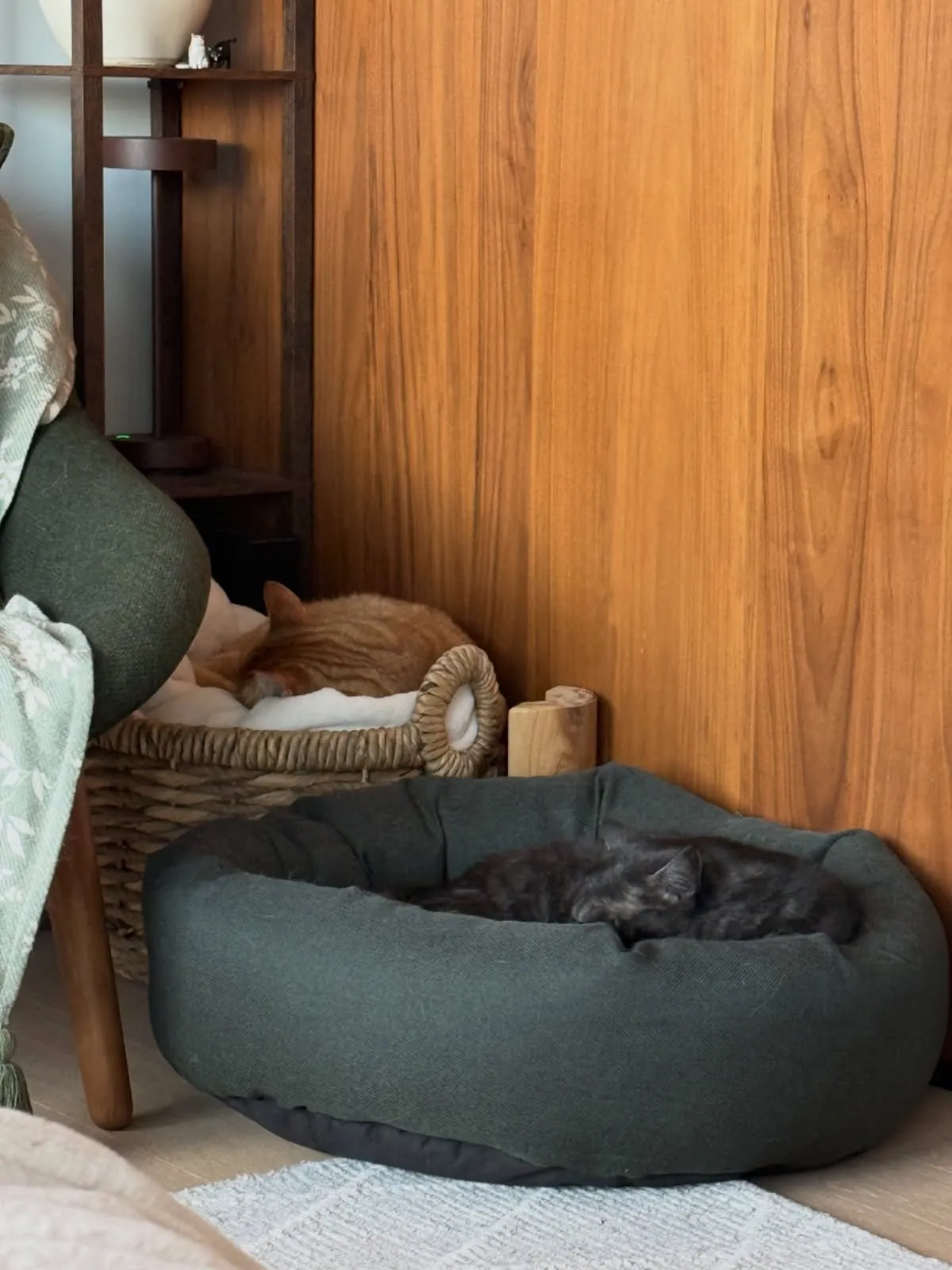
Volunteering in the feline ward is a peaceful retreat. It offers a soothing environment for an animal shelter volunteer with social anxiety.
Cats possess a calming energy. Their quiet purrs and gentle head bumps create a low-pressure space for genuine connection.
The Power of Quiet Socialization
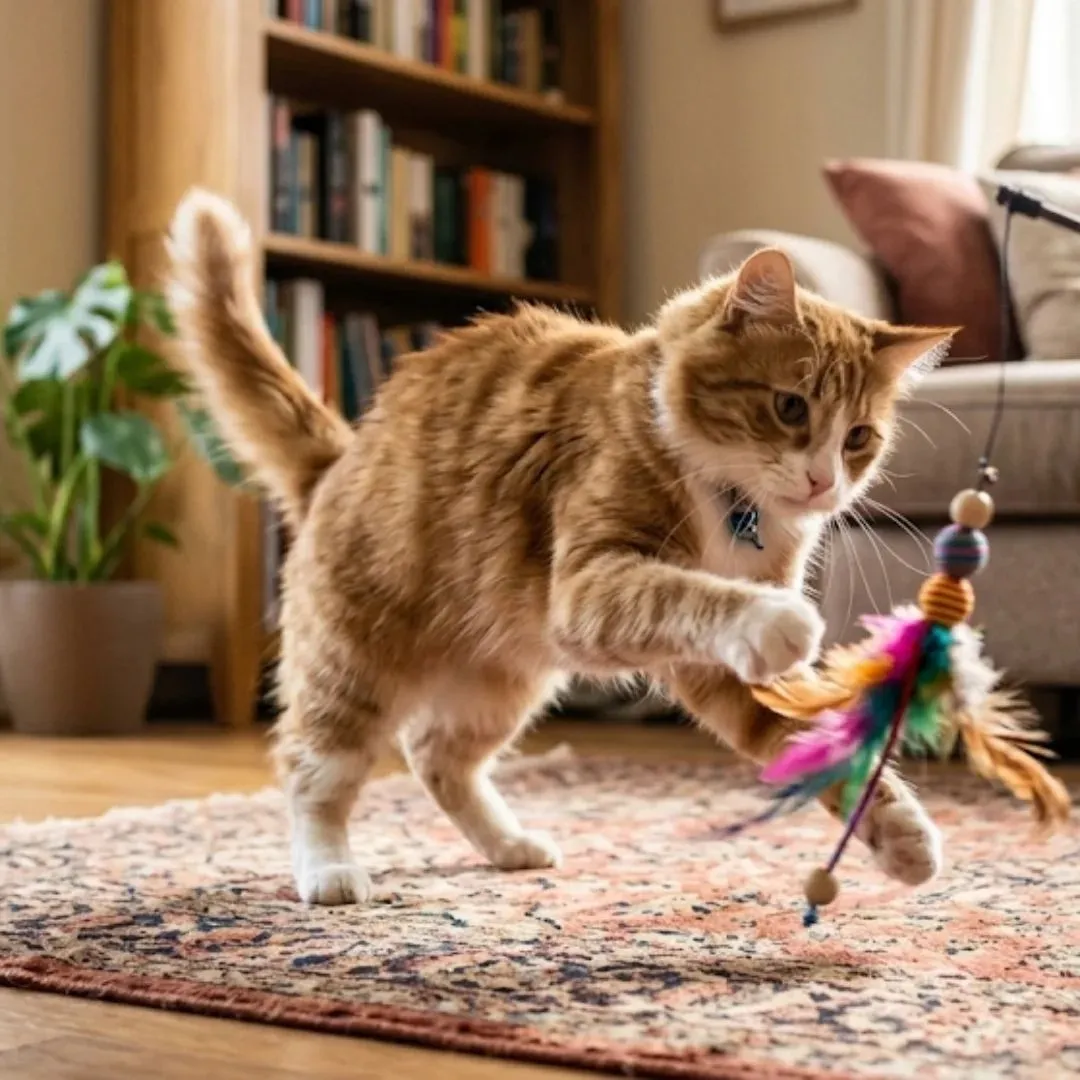
Many rescued cats feel overwhelmed by loud noises. They need patient guardians and quiet volunteers to help them rebuild trust.
Sitting silently near a frightened feline does wonders. You do not even have to speak. Simply sharing space helps them feel secure.
Try these low-stress activities that benefit both you and the animals:
- Reading aloud to cats in a soft voice to build familiarity.
- Offering puzzle feeders to stimulate their natural hunting instincts.
- Using wand toys to encourage playful animal behavior safely.
These simple enrichment tasks improve shelter cat welfare. They also provide a focused activity that eases volunteer anxiety.
Quiet companionship is sometimes the most powerful healing tool we can offer a shelter animal in need.
Silent Presence
Sharing space without forced touch
Helps fearful rescued cats feel secure in their immediate habitat.
Audio Familiarity
Reading in a soft, low voice
Reduces the impact of loud shelter noises and builds familiarity.
Cognitive Enrichment
Introducing puzzle feeders and wand toys
Stimulates natural hunting instincts and encourages curious behavior.
Social Breakthrough
Autonomous physical connection
The animal eventually chooses to approach or purr against the volunteer.
Creating Safe Spaces for Felines
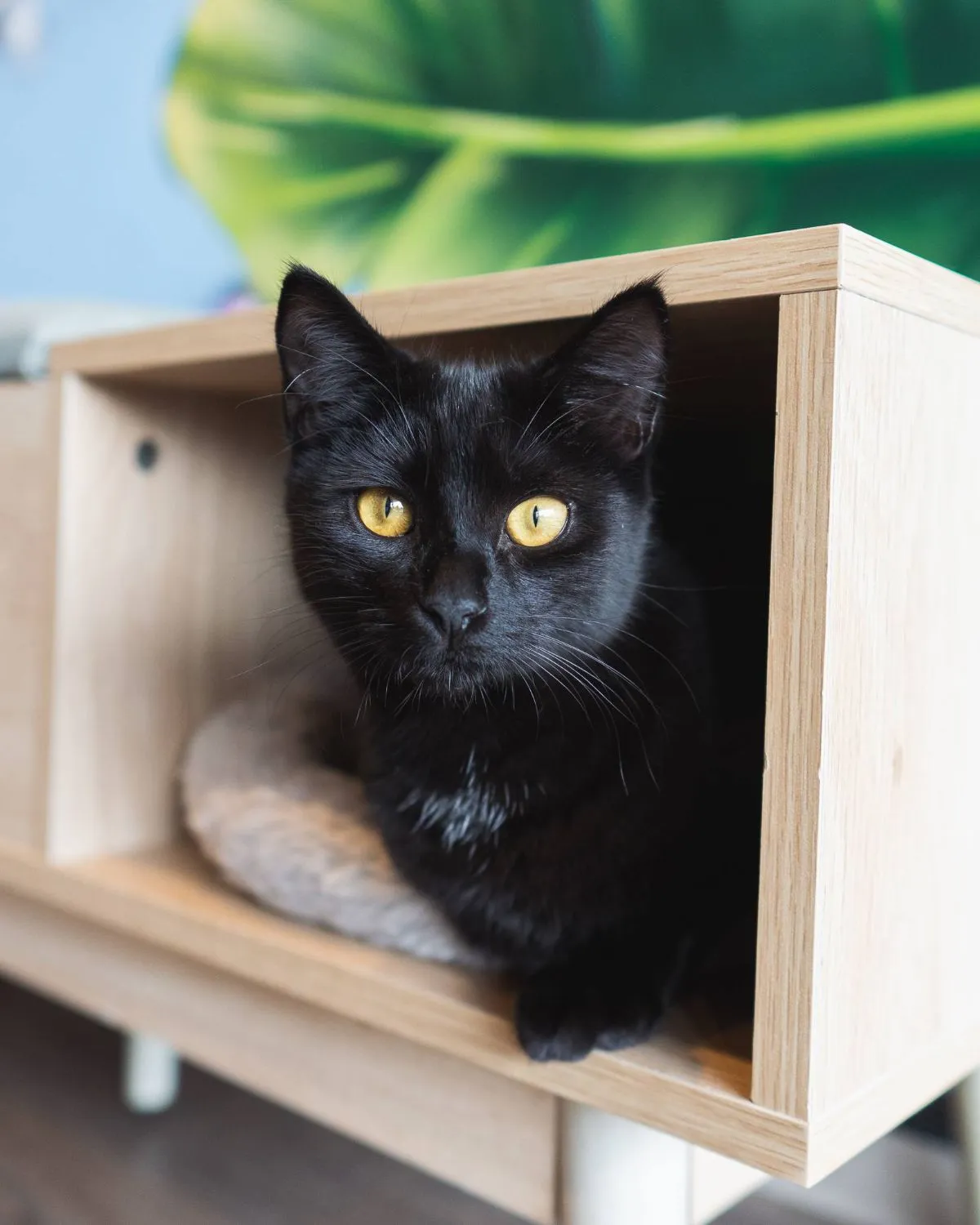
Cats require high perches and cozy hiding spots to feel safe. A well-designed habitat protection strategy includes these elements.
Enrichment is essential to the physical and psychological well-being of cats in shelters, preventing distress and disease.
Koret Shelter Medicine Program, UC Davis Veterinary Medicine
When you respect a cat’s autonomy, you build a lasting bond. Let them approach you first to ensure ethical animal behavior guidelines.
You can learn more about our ongoing advocacy efforts and values by visiting our About page. Watching the spark of life return to their eyes is magical. It happens when a fearful stray finally purrs against your gentle hand.
This quiet rescue operation requires zero small talk. It is the perfect role for anyone seeking a calm, meaningful volunteering shift.
Benefits of Quiet Feline Connection
- Feline wards offer a soothing, low-pressure environment ideal for volunteers managing social anxiety.
- Low-stress activities such as reading aloud or using wand toys help rebuild trust with fearful rescue cats.
- Focusing on enrichment tasks improves animal welfare while providing a meaningful role that requires no small talk.
- Respecting a cat’s boundaries and autonomy is essential for building a lasting bond and ensuring their psychological well-being.
🩺 Koret Shelter Medicine Program
National
Academic Research Center: A research-based program at UC Davis dedicated to advancing the health and well-being of animals in shelter environments.
- Specializes in feline housing and enrichment research
- Focuses on preventing distress and disease in shelter settings
- Part of the world-renowned UC Davis Veterinary Medicine school
4. Shelter Laundry and Donation Organization
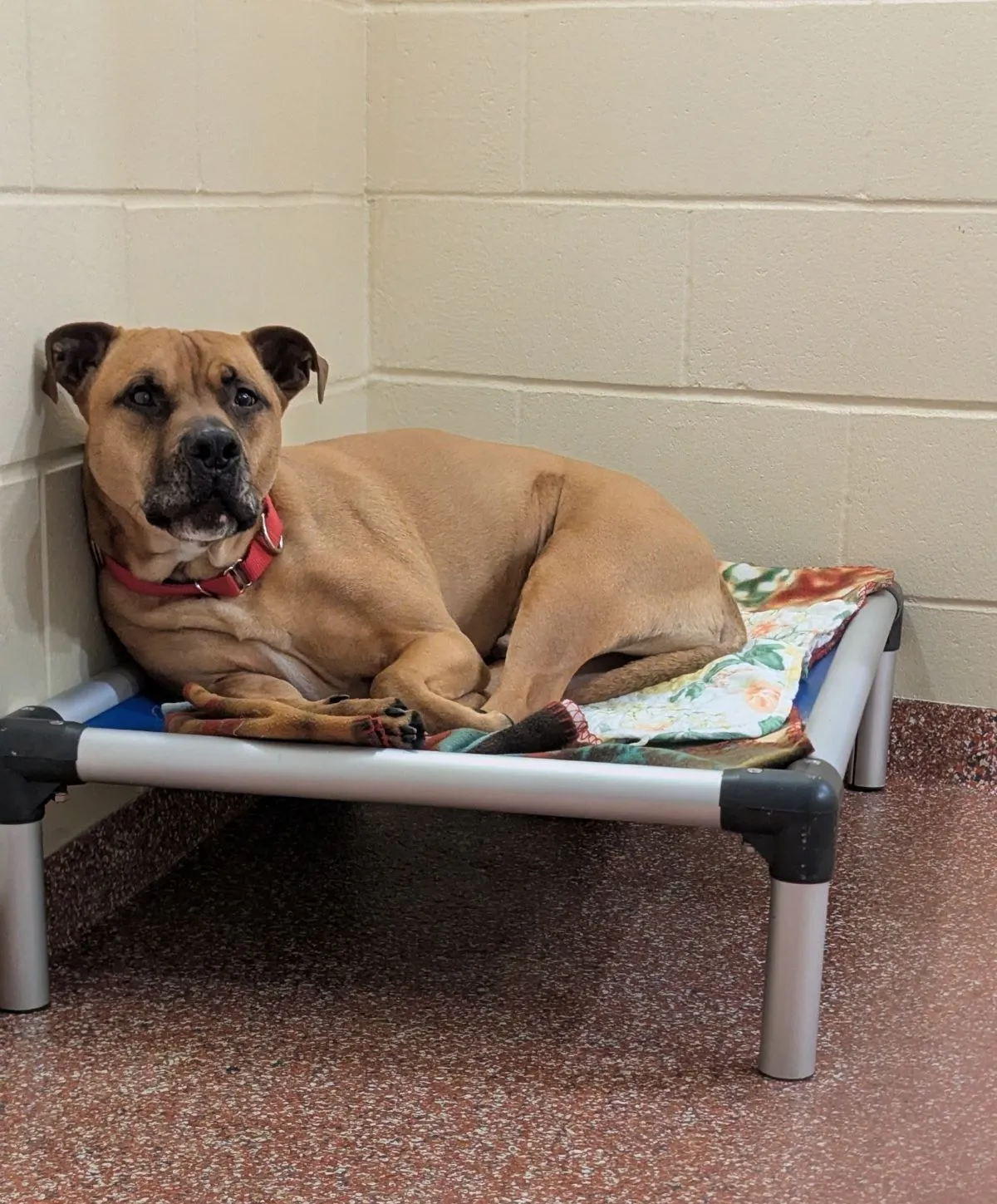
Working in the shelter laundry room is a vital role. It offers a quiet refuge for an animal shelter volunteer with social anxiety.
You can make a massive difference without forced interactions. The repetitive nature of folding warm blankets provides a calming rhythm.
Clean bedding is critical for animal welfare. Fresh towels prevent the spread of dangerous pathogens. They keep vulnerable animals safe.
The Hidden Lifeline of Clean Bedding
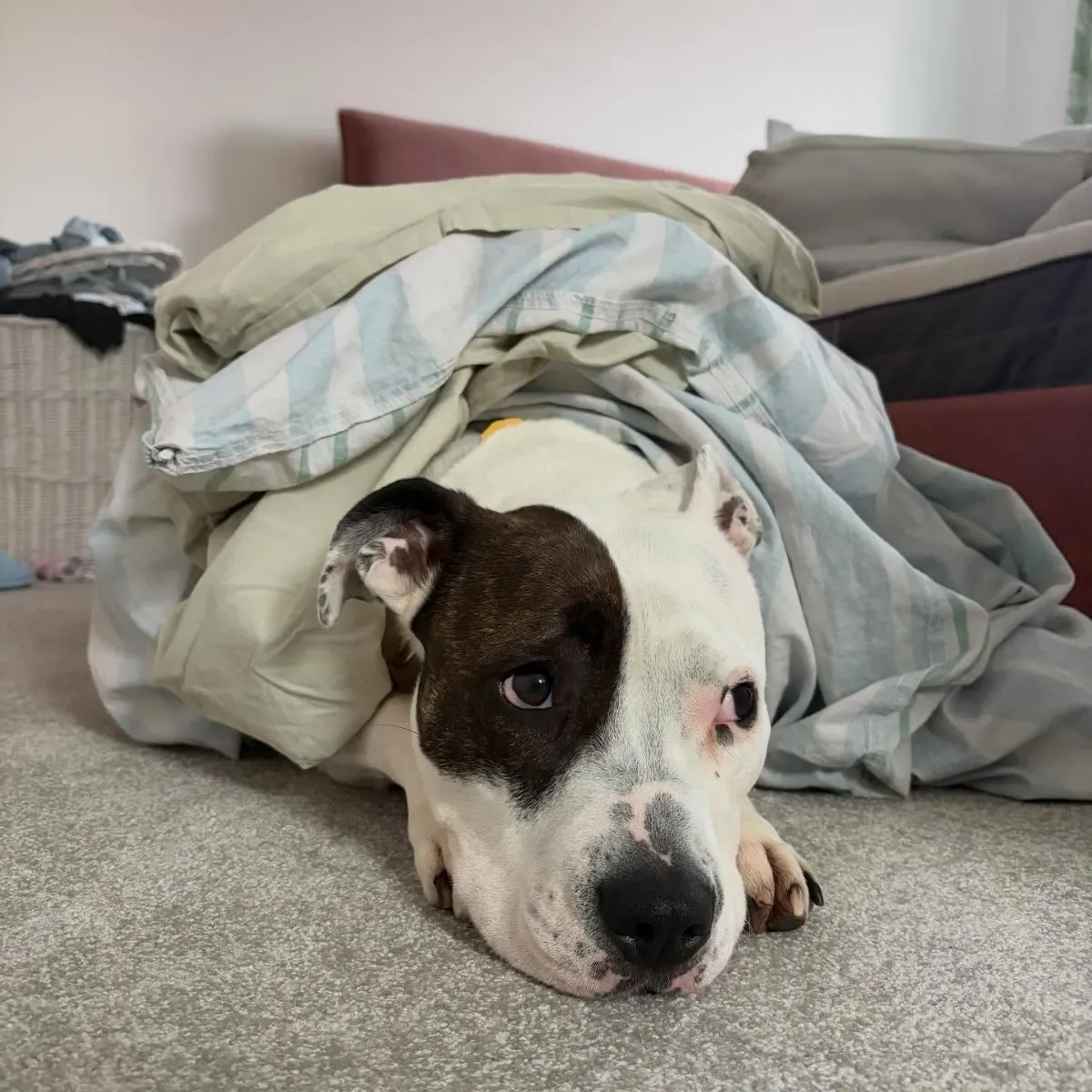
Active rescue operations generate mountains of laundry daily. Every soiled bed must be replaced quickly to maintain strict sanitation.
This behind the scenes work is essential. Frightened dogs and cats often seek comfort in soft textures. Clean fleeces reduce their stress.
Sanitation is an essential component of infectious disease control and directly impacts the health and welfare of sheltered animals.
Association of Shelter Veterinarians, Guidelines for Standards of Care in Animal Shelters
Behind every comfortable, sleeping rescue animal is a quiet volunteer who spent hours washing and folding their blankets.
🩺 Association of Shelter Veterinarians
National
Professional Association: A professional organization that establishes and promotes the standard of care for veterinary medicine within the animal rescue community.
- Authors the Guidelines for Standards of Care in Animal Shelters
- Leading authority on infectious disease control in high-density rescues
- Sets ethical benchmarks for the health and welfare of sheltered animals
Sorting Donations for Rescue Operations
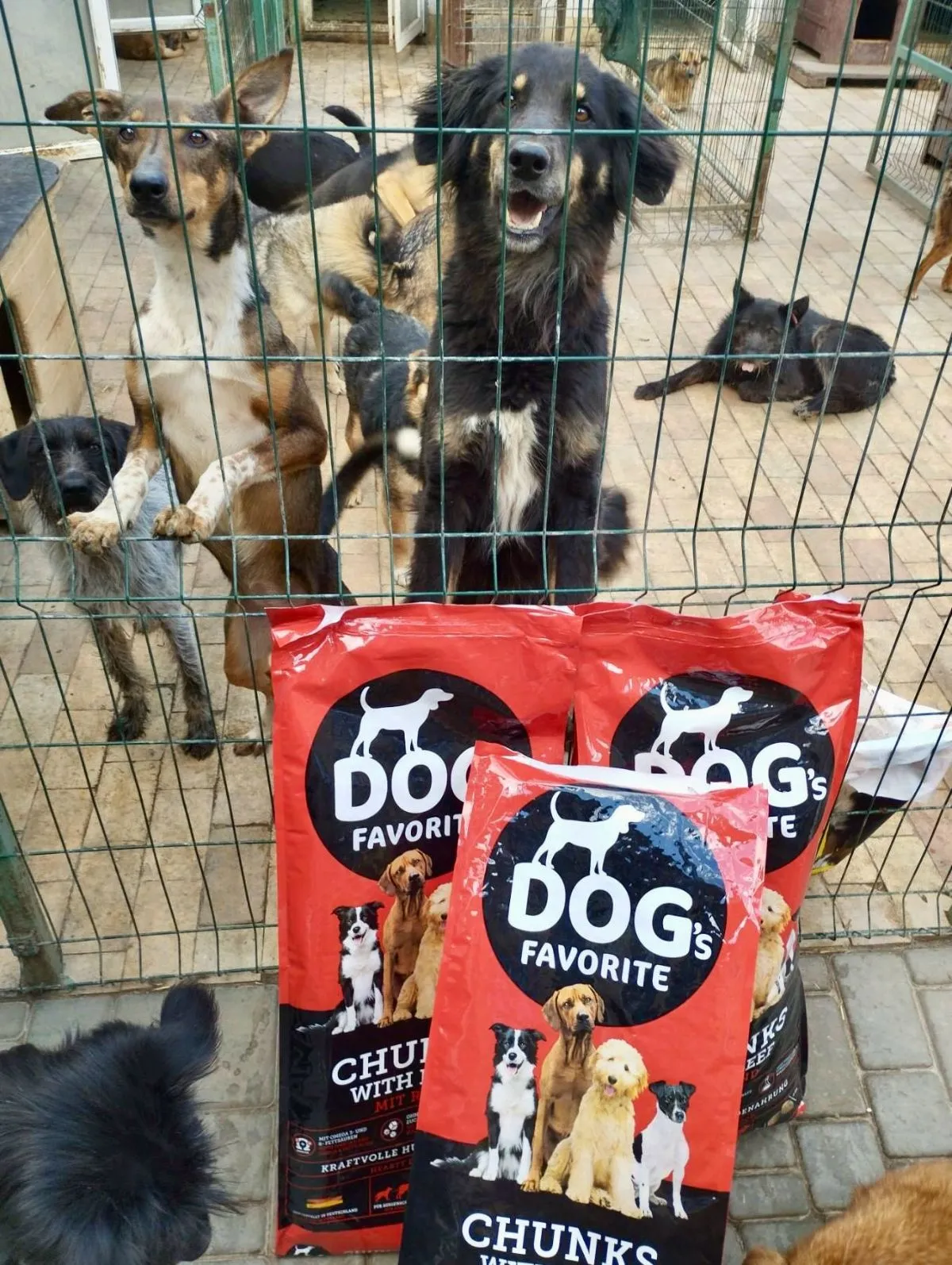
Community members frequently drop off supplies. These donations pile up rapidly. Shelters desperately need focused volunteers to sort them.
Organizing these items is a peaceful, independent task. It requires high attention to detail. You can easily manage this without small talk.
You will check expiration dates on pet food. You will also inspect toys for safety hazards. Removing broken items prevents injuries.
Key tasks for quiet donation organization include:
- Discarding torn toys that pose a choking risk to animals.
- Sanitizing gently used crates with eco-friendly cleaners.
- Sorting species specific food to support daily feedings.
- Organizing specialized gear for upcoming foster care placements.
Sorting physical items helps ground an anxious mind. The tactile experience of handling supplies can effectively relieve nervous tension.
Your meticulous work directly empowers the medical staff. When supplies are organized, animal care teams can act swiftly during crises.
Explore our home page for more animal advocacy tips. Quiet roles always create a massive impact.
The Power of Behind-the-Scenes Support
- Laundry duty offers a calming, repetitive rhythm that serves as a quiet refuge for volunteers with social anxiety.
- Maintaining clean bedding is a critical safety measure that prevents the spread of pathogens and reduces animal stress.
- Sorting donations allows for independent, detail-oriented work such as checking food expiration dates and toy safety.
- Engaging in tactile, organizational tasks helps ground the mind and provides a peaceful way to contribute to rescue operations.
5. Back-Office Administrative Support and Data Entry
For those who find bustling kennels overwhelming, the back office offers a quiet sanctuary. Administrative tasks allow you to help rescues without facing public crowds.
Data entry is the silent backbone of animal welfare. Entering medical records accurately ensures every animal receives their critical vaccines and proper treatments.
Quiet Ways to Impact Rescue Operations
Shelters constantly struggle to maintain organized systems. By managing digital files, you free up front-line staff to focus entirely on direct animal care and rehabilitation.
- Intake Logging: Registering details like a stray animal’s physical traits, found location, and initial health status.
- Medical Updates: Recording daily weight checks, medication schedules, and veterinary notes for recovering animals.
- Adoption Biographies: Writing heartwarming profiles for animals based on notes provided by their foster guardian.
- Inventory Management: Tracking vital supplies like special dietary food, blankets, and medical equipment.
Behind every successful animal adoption is a quiet volunteer meticulously maintaining the records that made it possible.
These roles require minimal small talk. You can usually plug in headphones, listen to a calming podcast, and hyper-focus on tasks that directly save lives.
Data is the foundation for understanding what is happening in animal welfare. It empowers organizations to make informed, lifesaving decisions for their communities.
Stephanie Filer, Shelter Animals Count
For a volunteer managing social anxiety, knowing exactly what is expected brings immense comfort. The routine of data entry provides a predictable and deeply rewarding structure.
If you want to explore more ways to support rescues from behind the scenes, return to our home page for a complete list of ideas.
The Impact of Administrative Support
- Administrative roles provide a quiet sanctuary for volunteers who find direct animal care or public-facing tasks overwhelming.
- Accurate data entry for medical records and intake logs forms the backbone of lifesaving decisions and proper animal treatment.
- Managing digital files and inventory allows front-line staff to focus their full attention on direct animal rehabilitation and care.
- Routine tasks like writing adoption biographies and tracking supplies offer a predictable, low-stress structure for making a significant difference.
Embracing Your Quiet Power in Animal Rescue
Volunteering at an animal shelter with social anxiety is a deeply rewarding journey. You do not need to be the loudest voice in the room to make a massive difference.
Whether cleaning kennels or walking dogs, your quiet dedication saves lives every day. Animals do not judge our social fears. They simply appreciate our gentle presence and care. Step into the rescue world at your own pace and watch both you and the animals thrive.
Common Questions About Quiet Shelter Volunteering
Absolutely. Many shelters need help behind the scenes with cleaning, laundry, and animal care. These vital roles require almost zero interaction with the public.
Tasks like solo dog walking, kennel maintenance, and food preparation are perfect. They let you focus entirely on the animals in a peaceful, predictable setting.
Most rescues have a simple orientation rather than a formal interview. You can often email the coordinator beforehand to explain your preference for quiet tasks.
Working with animals reduces stress and builds confidence. It offers a low-pressure environment where you can connect non-verbally and feel a strong sense of purpose.