


Table of Contents
- 1. Strict Exercise Restrictions Are Non-Negotiable
- 2. You Will Manage a Rigorous Medication Schedule
- 3. Post-Treatment Monitoring Requires Close Observation
- 4. Indoor Mental Enrichment Becomes Your Best Tool
- 5. The Rescue Generally Covers All Treatment Expenses
- Healing Hearts: The Profound Reward of Fostering
- Navigating the Quiet Period: Fostering Heartworm-Positive Dogs FAQ
Opening your heart and home to a heartworm-positive dog is one of the most profound acts of advocacy in the animal welfare community. While the diagnosis can sound daunting, these resilient animals are not broken; they are simply in a transitional state of healing.
By stepping up to foster, you are providing the quiet, safe sanctuary necessary for their physical recovery. This crucial support transforms a frightening medical journey into a story of survival and hope.
From a clinical perspective, managing a canine undergoing heartworm treatment requires the same patience, precision, and vigilance as rehabilitating a delicate wild species. The process is highly structured, revolving around strict exercise restriction and a carefully timed regimen of medications designed to safely eliminate the parasites.
Understanding the biological reality of this recovery allows us to minimize risks and ensure the dog’s body can heal without unnecessary stress. Although the road to recovery demands discipline and quiet days, the reward of watching a once-fragile dog reclaim their vitality is incomparable. Every calm moment you share and every pill you administer, perhaps disguised in Greenies Pill Pockets for Dogs, is a direct investment in a life worth saving.
With the right knowledge and a compassionate touch, you can confidently guide your foster pup through this challenge and toward a bright, healthy future.
The Foster Heartbeat Guide
- Keeping your foster’s heart rate low is a strict matter of life and death, as treatment-induced parasite breakdown can cause fatal blockages during physical exertion.
- Establish a cozy, trigger-free sanctuary using a comfortable crate or small room, completely isolated from high-energy pets and household commotion.
- Strictly limit outdoor exposure to short, on-leash potty breaks; even a secure yard poses risks if a sudden squirrel sighting triggers a chase response.
- Pivoting to low-impact mental enrichment, such as frozen lick mats and snuffle mats, is essential to keep their spirits bright while keeping their bodies perfectly still.
1. Strict Exercise Restrictions Are Non-Negotiable
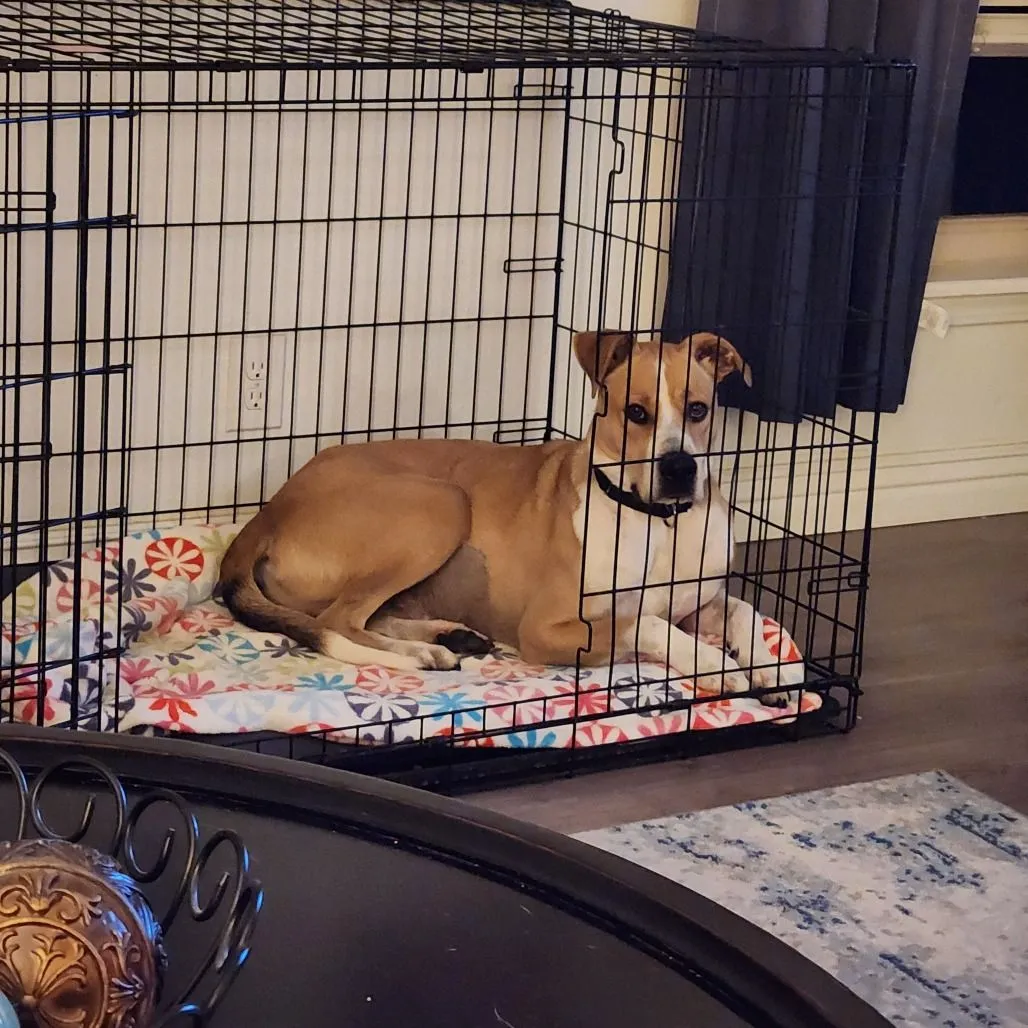
When a dog undergoes heartworm treatment, keeping their heart rate down is not just a helpful suggestion. It is a matter of life and death.
The prescribed medication kills the adult heartworms inside the pulmonary arteries. As these fragile parasites die, they begin to break apart into smaller pieces.
View MidWest Homes for Pets Dog Crate on AmazonWhen a dog’s heart rate rises, the rushing blood forces these disintegrating worms deep into the delicate blood vessels of the lungs. This creates a sudden, severe blockage known as a pulmonary embolism. Even a brief burst of playful energy can trigger a fatal respiratory complication.
Strict exercise restriction must be enforced from the time of diagnosis through the period of treatment and recovery. The most important thing you can do to minimize complications during treatment is to restrict your dog’s exercise.
American Heartworm Society, Heartworm Basics Guidelines
📢 American Heartworm Society
National
National Veterinary Authority: The leading professional organization dedicated to providing research and standardized protocols for heartworm prevention and treatment.
- Establishes the Gold Standard for canine heartworm treatment guidelines
- Provides critical educational resources for pet owners and foster guardians
- Conducts scientific research to minimize treatment-related complications
Designing a Safe and Quiet Rest Zone
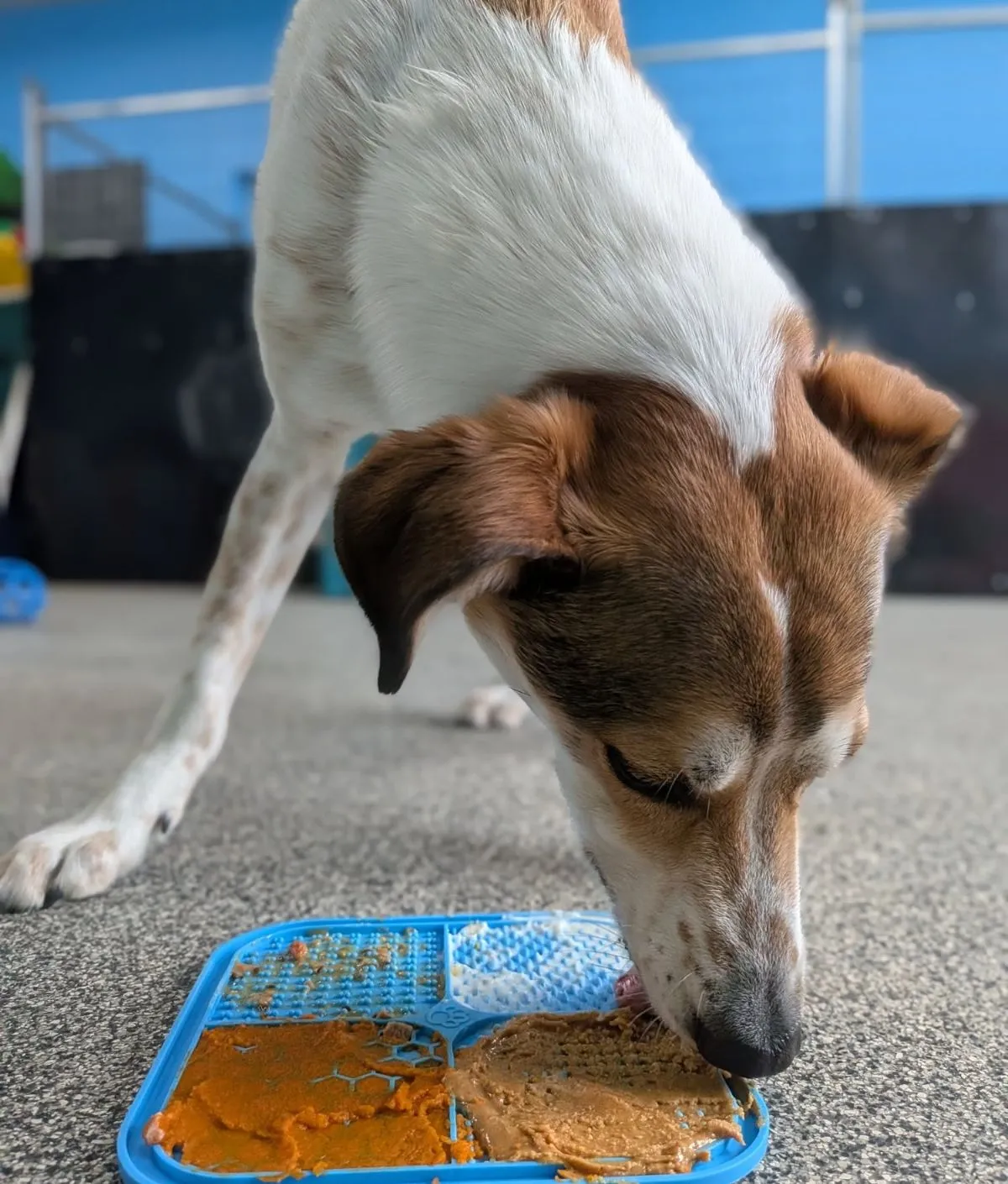
Preparing your home for this quiet phase requires deliberate planning and clear boundaries. Your foster dog will need a designated confinement area, typically a comfortably sized crate or a small, hazard-free room.
This healing space should be calm and comfortable. It must also be entirely free of toys that encourage active play, such as tossing, shaking, or bouncing.
View Furhaven Orthopedic Dog Bed on AmazonYou must manage their environment closely to prevent sudden bouts of excitement. This means keeping them separated from other energetic pets and minimizing loud noises near the front door.
If you are currently researching how to get approved to foster a dog without a fenced yard, a heartworm-positive dog is often an excellent candidate because outdoor play is strictly forbidden anyway.
Every trip outside for bathroom breaks must be conducted on a short leash. Even with a perfectly secure backyard, allowing your dog to wander freely is too dangerous. A sudden squirrel Least Concern sighting or unfamiliar sound could cause a massive, deadly spike in their heart rate.
| Activity Type | Status | Reasoning |
|---|---|---|
| Short Leash Potty Breaks | ✅ Safe | Necessary for biological needs while maintaining strict control over movement. |
| Stationary Chew Toys | ✅ Safe | Allows the dog to express natural chewing behaviors without elevating the heart rate. |
| Free Roaming in the Yard | ❌ Unsafe | High risk of sudden running, chasing wildlife, or fence running. |
| Playing Fetch Indoors | ❌ Unsafe | Jumping and sliding on floors causes dangerous cardiovascular strain. |
Substituting Physical Strain with Mental Enrichment

Eliminating all physical activity can quickly lead to boredom and frustration for a resilient dog who may feel better than they look. As their guardian during this critical healing window, you must pivot to mental stimulation to keep their spirits high.
Brain games burn significant energy without putting the heart and lungs in jeopardy.
Focus heavily on low-impact enrichment options like frozen lick mats, complex snuffle mats, and durable puzzle feeders.
You can also use this quiet confinement time to practice gentle, stationary training commands with positive reinforcement. Teaching simple, low-energy behaviors like “watch me” or “touch” helps build a beautiful bond of trust.
Managing this strict rest routine can occasionally feel daunting if you are balancing a busy professional schedule. However, reading a thorough guide on fostering a dog while working full time can provide excellent strategies for successfully navigating crate rest around your career.
During heartworm treatment, keeping a dog calm is a daily challenge, but enforced rest is truly life-saving medicine.
The Non-Negotiable Rules of Heartworm Recovery
- Elevated heart rates can cause fatal blockages as dying heartworms break apart.
- Set up a quiet, confined recovery area completely free of active toys and separated from energetic pets.
- Always use a short leash for potty breaks, even in a fully fenced backyard, to prevent sudden sprinting.
- Provide stationary chew toys to keep your dog safely occupied without raising their heart rate.
2. You Will Manage a Rigorous Medication Schedule

Treating heartworm disease is a complex and highly structured medical process. As a foster guardian, you will play a critical role by administering a carefully timed regimen of medications over several months. This protocol is designed to safely eliminate the parasites while minimizing physical strain on your rescue dog.
Consistency is critical when managing these prescriptions. A missed or delayed dose can easily disrupt the careful timeline established by your rescue’s veterinary team.
If you are balancing a busy lifestyle, setting daily phone alarms is an easy way to stay on track. This simple habit ensures your pet receives their medication on time, every time.
Learning how to foster a dog while working full time can help you integrate these essential medical tasks into a reliable routine.
The goal of heartworm treatment is to improve the clinical condition of the animal and to eliminate all life stages of the heartworms with minimal complications.
Canine Guidelines Summary, American Heartworm Society
While every animal sanctuary will have its own specific veterinary protocol, the standard treatment generally involves four core components. You will need to keep close track of these medications and report any lethargy or side effects immediately.
- Antibiotics: Doxycycline is typically given for 30 days to eliminate a symbiotic bacteria living inside the heartworms.
- Heartworm Preventatives: Monthly doses of a standard preventative stop new larvae from developing during the treatment phase.
- Steroids: Prednisone is often prescribed to reduce inflammation and minimize the risk of complications as the adult worms break down.
- Adulticide Injections: The rescue veterinarian will administer Melarsomine deep into the back muscles to kill the adult worms safely in stages.
Every pill you administer and every alarm you set is a stepping stone toward a heartworm-positive dog’s completely healthy future.
Days 1-30
Antibiotic Therapy
Doxycycline is given to eliminate symbiotic bacteria living inside the heartworms.
Monthly
Heartworm Preventative Administration
Standard preventatives stop new larvae from developing during the treatment phase.
Concurrent Phase
Steroid Management
Prednisone helps reduce inflammation as worms begin to break down.
Final Stage
Adulticide Injections
Melarsomine injections are administered deep into the back muscles to kill adult worms.
Establishing a Reliable Pill Routine
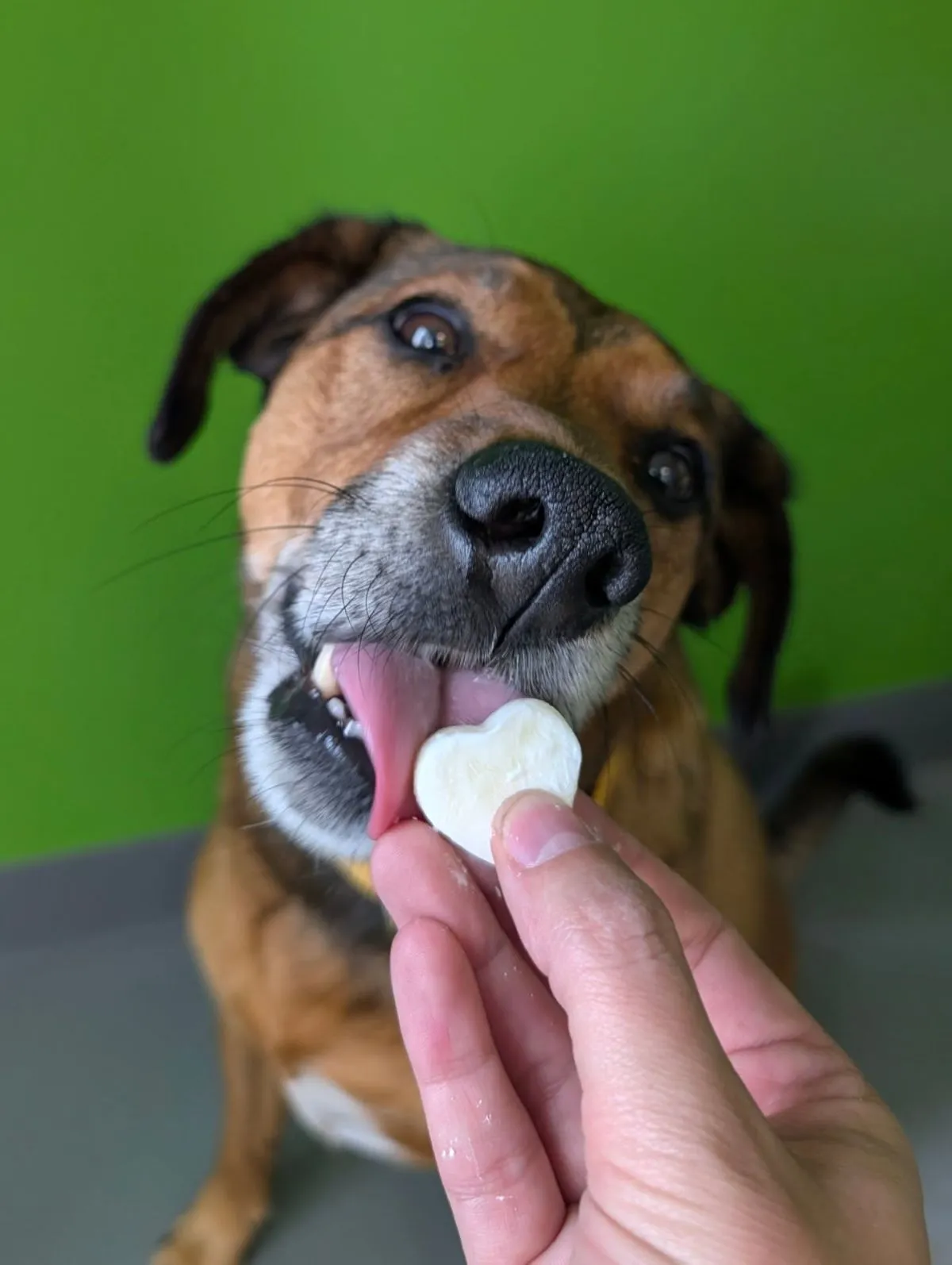
Managing multiple medications on different schedules requires excellent daily organization. Using a physical checklist or a tracking app ensures you never second-guess whether a specific dose was administered. This documentation is also invaluable for rescue staff tracking your dog’s recovery progress.
Many dogs facing this intensive treatment may experience mild nausea or simply become tired of swallowing pills.
You will need to get creative to ensure the medication goes down safely and smoothly. Using high-value, safe snacks like plain boiled chicken or specialized pill pastes can make the process entirely stress-free for your dog.
Always communicate openly with your rescue coordinator about the medication schedule. If the dog refuses its medication or vomits shortly after taking a pill, seek veterinary advice instead of adjusting the dosage yourself. Protecting the animal’s well-being during this delicate phase is always the top priority.
Mastering the Heartworm Medication Protocol
- Expect a structured treatment plan involving antibiotics, preventatives, steroids, and adulticide injections.
- Maintain strict consistency by setting daily alarms to avoid missing crucial doses.
- Use a physical checklist or mobile app to reliably track medications and update your rescue organization.
- Monitor the dog closely and immediately report any lethargy or adverse side effects to the veterinary team.

Meet Raquelle!
Raquelle is a sweet, gentle senior Rottweiler who is navigating a heartworm diagnosis with grace and is looking for a quiet home to spend her golden years being pampered.
Adopt Me3. Post-Treatment Monitoring Requires Close Observation

The days and weeks immediately following a heartworm treatment injection are the most critical. During this time, the medication begins to break down the adult heartworms inside the pulmonary arteries.
This process significantly increases the risk of medical complications. Understanding this fragile timeline is a crucial part of what to expect when fostering a heartworm-positive dog.
Foster guardians must become vigilant observers of the dog’s physical condition and behavior during this delicate recovery window. Even a seemingly minor change in breathing or energy levels warrants immediate attention from a veterinary professional.
Immediate Post-Injection
Respiratory Monitoring
Watch for labored breathing or rapid chest movement indicative of distress.
Daily Routine
Vital Sign Tracking
Log appetite, water intake, and potty habits to spot subtle health shifts.
Symptom Check
Color & Energy Assessment
Ensure gums remain bubblegum pink and watch for sudden lethargy or collapse.
Identifying Critical Warning Signs

When dying worms fragment, they can create dangerous lung blockages known as pulmonary thromboembolisms. This medical emergency requires swift veterinary intervention to save the dog’s life.
As a foster guardian, your primary role is to monitor the dog closely. You must watch for the earliest indicators of respiratory distress or extreme physical discomfort.
- Labored breathing or rapid chest movement: Watch for unusually fast resting respiratory rates or visible effort when taking a breath.
- Persistent, harsh coughing: While a mild cough can be expected, coughing up blood or a sudden, severe hacking is a major red flag.
- Pale or blue-tinged gums: Lift the dog’s lip gently to check their gum color. Healthy gums should be bubblegum pink, not white or gray.
- Profound lethargy or collapse: If the dog suddenly refuses to stand for potty breaks or seems entirely unresponsive, seek immediate emergency care.
Observation is the quietest form of advocacy. Watching a recovering dog closely during treatment is the lifeline that guides them safely to a heartworm-free future.
Tracking Vitals and Daily Routines

Keeping a daily log of the dog’s vital signs and behavior can help you spot subtle shifts before they become major emergencies. Track their appetite, water intake, and potty habits meticulously. If you notice a sudden drop in appetite or excessive panting while resting, consult your rescue coordinator or veterinarian immediately.
Many rescue organizations require foster homes to administer prescribed steroids and antibiotics on a strict schedule. Maintaining a written chart ensures no doses are missed, which is essential for reducing dangerous inflammation in the lungs as the worms die off.
This level of supervision means the household needs to maintain a reliable routine. If your work schedule requires you to be away for extensive periods, you might consider alternatives like fostering senior dogs instead.
Heartworm recovery demands consistent, watchful eyes throughout the day to ensure safety.
Strict rest is essential. The dead worms are broken down and carried to the lungs, where they lodge in the small blood vessels. If the dog is active, the dead worms are forced deeper into the lungs, increasing the risk of complications.
Dr. Ernest Ward, VCA Animal Hospitals
Creating a Low-Stress Recovery Space

Anxious dogs may pant heavily or pace, which artificially elevates their heart rate and puts unnecessary stress on their healing pulmonary system.
To mitigate this, keep the dog’s immediate environment as calm and predictable as possible. Dim the lights, use white noise machines to muffle loud outdoor sounds, and limit visitors during the first few weeks post-injection.
Do not allow other pets in the home to agitate the recovering dog. This is critical for both the physical healing process and behavioral harmony in your home. If interactions between animals become tense, separate them completely to avoid any sudden bursts of adrenaline.
Should an unexpected altercation occur, always prioritize separating the animals safely. Utilize emergency step protocols to defuse the situation without escalating stress.
Fortunately, when a foster dog is given a secluded, peaceful sanctuary, they generally spend their days comfortably resting. This downtime allows their bodies to heal safely.
Guardian Vigilance: Key Post-Treatment Monitoring Steps
- Watch closely for life-threatening warning signs, such as labored breathing, a persistent cough, pale or blue-tinged gums, and sudden collapse.
- Keep a detailed daily log tracking the dog’s resting respiratory rate, appetite, water intake, and bathroom habits to detect early signs of distress.
- Strictly adhere to the prescribed medication schedule, including steroids and antibiotics, to help minimize lung inflammation as the heartworms break down.
4. Indoor Mental Enrichment Becomes Your Best Tool

When a dog undergoes heartworm treatment, their physical world shrinks dramatically. Strict cage rest and zero elevated heart rates are non-negotiable rules to keep them safe from deadly complications.
Because their bodies are confined, you must exercise their minds instead. This mental stimulation is the best way to prevent severe frustration, anxiety, and depression.
Mental stimulation burns significant energy without raising blood pressure or risking a pet’s delicate cardiovascular system. For a foster guardian, indoor mental enrichment quickly becomes the most important tool in your daily rehabilitation routine.
When physical exercise is off the table, mental enrichment becomes the vital bridge between a resting body and a happy spirit.
Unlocking the Power of Mental Enrichment During Recovery
- Strict cage rest and zero physical exertion are critical to keep dogs safe during heartworm treatment.
- Mental stimulation burns significant energy without risking the dog’s delicate cardiovascular system.
- Exercising the mind prevents severe frustration, anxiety, and depression caused by physical confinement.
- Indoor enrichment is a foster guardian’s most vital tool to bridge the gap between a resting body and a happy spirit.
Safe Brain Games and Food Puzzles
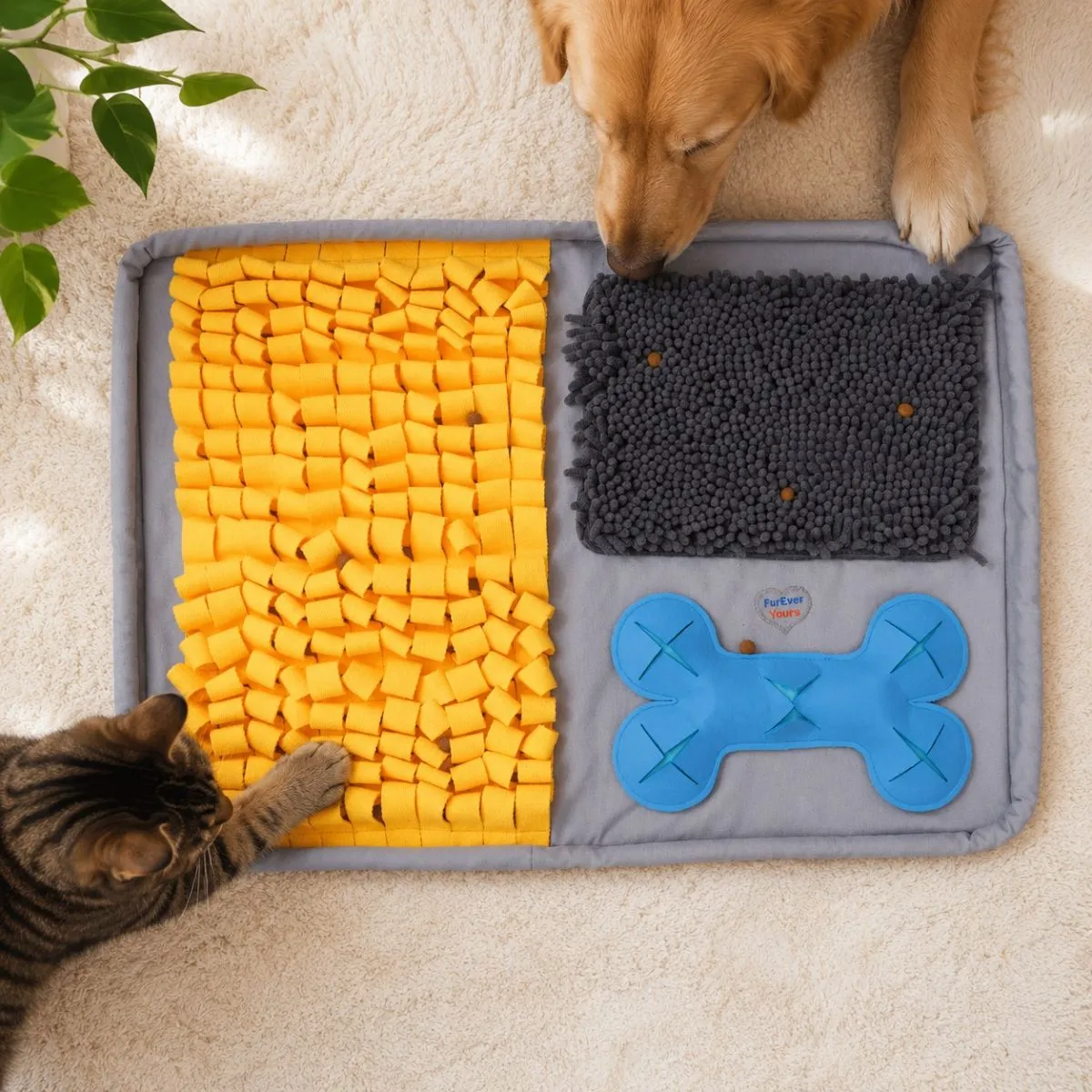
Ditching the standard food bowl is the easiest way to introduce mental stimulation into your foster dog’s daily routine. By making them work for their meals, you stretch out feeding times and keep their minds actively engaged.
This strategy is incredibly helpful for keeping them quiet and content, especially if you are wondering how to get approved to foster a dog without a fenced yard. Since a recovering rescue dog cannot safely run outside anyway, a cozy indoor setup focused on puzzle toys is ideal.
- Lick Mats: Spread plain yogurt, wet food, or dog-safe peanut butter over a textured mat and freeze it. The repetitive licking naturally releases calming endorphins in the dog’s brain.
- Snuffle Mats: Hide dry kibble deep within the fabric strips of a snuffle mat. This encourages them to use their powerful sense of smell to forage safely without moving around too much.
- Stuffed Rubber Toys: Fill durable hollow rubber toys with layers of treats and wet food, then freeze them. This creates a long-lasting, low-impact challenge that keeps them anchored to their bed.
- Rolled Towel Game: Scatter smelly treats inside a flat towel and roll it up tightly. Let your foster dog gently nudge it unrolled with their nose to discover the hidden rewards.
Ditch the Bowl: Smart Ways to Feed and Calm Your Foster Dog
- Ditching standard food bowls in favor of puzzles extends meal times and keeps recovering dogs actively engaged.
- Lick mats coated with frozen wet food or dog-safe peanut butter naturally trigger calming, stress-reducing endorphins.
- Snuffle mats and rolled-up towels encourage safe, low-impact foraging by tapping into their natural sense of smell.
- Stuffed and frozen rubber toys provide a long-lasting, stationary challenge that keeps dogs quietly anchored to their beds.
Low-Impact Training and Scent Work

You can still teach basic obedience and cute tricks, provided the behaviors do not require jumping, running, or sudden bursts of energy. Teaching gentle commands like touching their nose to your hand, leaving dropped food alone, or holding a solid stay command builds their confidence tremendously.
Animal behavior experts note that short, focused training sessions can tire a dog out just as effectively as a brisk walk. Scent work is another excellent, low-exertion activity that taps into a recovering pet’s natural instincts.
Mental stimulation is just as exhausting for a dog as physical exercise, making puzzle toys and scent games essential for pets on restricted activity.
Dr. Marty Becker, Fear Free Pets
You can hide a pungent treat under one of three cups, shuffling them slowly while your dog watches. Once you are done, let your dog sniff out the prize.
These quiet moments of collaboration remind the dog that they are safe and loved. It is a wonderful way to help them decompress far away from the stressful shelter environment.
Quiet Enrichment & Low-Impact Training
- Focus on gentle commands like nose touches and ‘stay’ to build confidence without risking physical injury.
- Utilize short, focused mental training sessions which can be just as exhausting for a dog as a brisk walk.
- Engage your pet’s natural instincts through low-exertion scent games like hiding treats under cups.
- Prioritize mental stimulation as a crucial tool for keeping pets calm and satisfied during periods of restricted activity.
5. The Rescue Generally Covers All Treatment Expenses
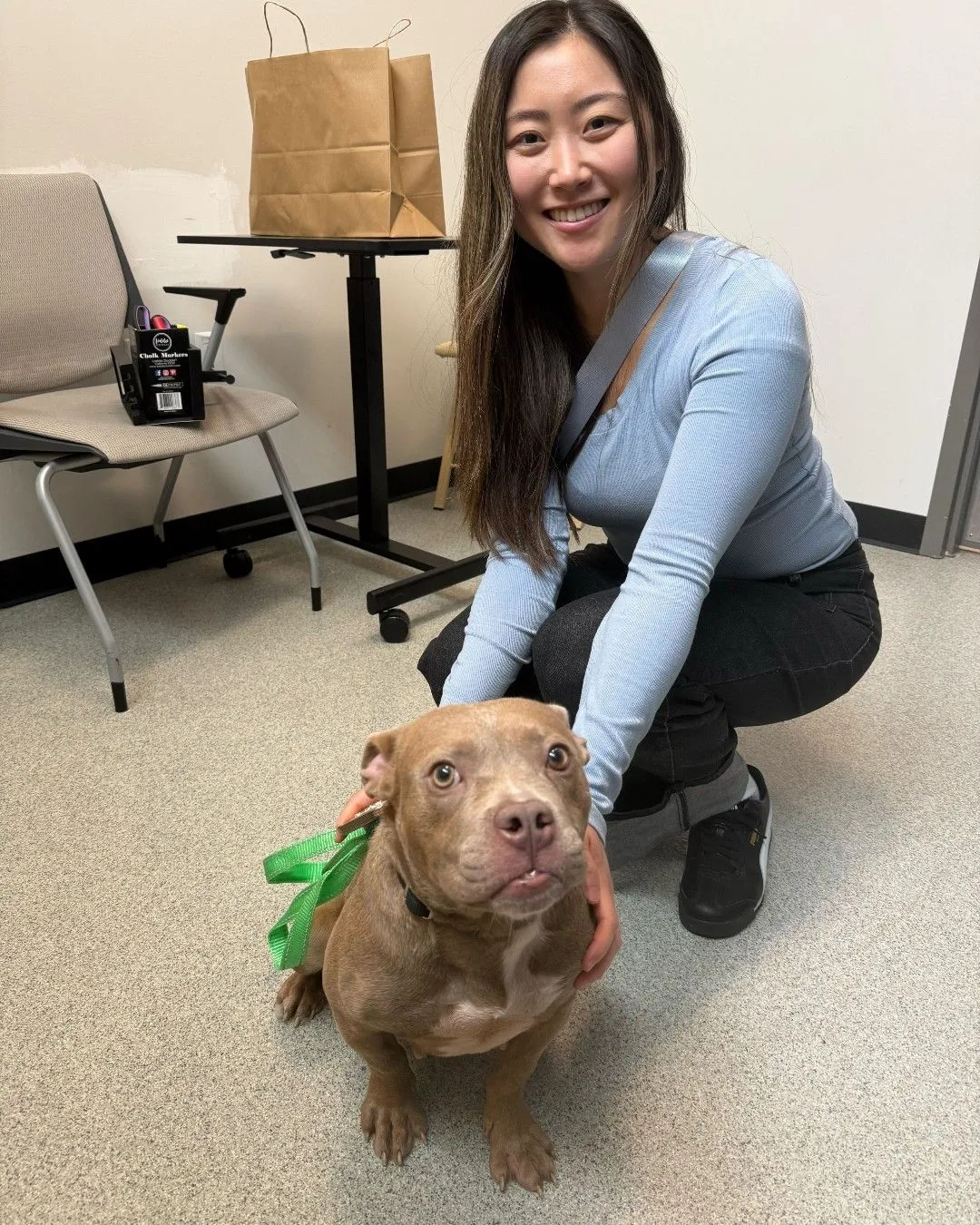
One of the biggest barriers to fostering a heartworm-positive dog is the fear of overwhelming veterinary bills. Fortunately, reputable rescue organizations and shelters almost always cover the entire cost of this medical treatment.
Your role as a foster guardian is to provide a quiet, safe healing environment rather than a credit card.
Heartworm disease requires a rigorous protocol involving antibiotics, steroids, and deep intramuscular injections. These treatments can easily cost a private individual hundreds or thousands of dollars.
When you step up to help a rescue dog, the shelter secures this funding through donations, grants, and dedicated medical funds.
You supply the quiet home and the endless patience. The rescue supplies the medical care required to save their life.
Understanding the Medical Cost Breakdown

Before you bring your foster dog home, the rescue coordinator will outline exactly how medical visits will be handled. You will typically be asked to utilize their specific partner veterinary clinics for all checkups and emergency visits. Clear communication ensures that every stage of the dog’s recovery is fully documented and financially covered by the organization.
A reputable rescue operation will generally cover the following essentials during the heartworm treatment protocol:
- Diagnostic Testing: Initial blood tests, x-rays, and follow-up antigen tests to confirm the dog is negative.
- Prescription Medications: Doxycycline to weaken the parasites, prednisone to reduce inflammation, and the adulticide injections.
- Monthly Preventatives: Heartworm preventatives required to stop new larvae from developing during recovery.
- Routine Vet Visits: All scheduled appointments related to monitoring the dog’s cardiac health and treatment progress.
If you are concerned about other unexpected costs, you might ask who pays the vet bill if a foster dog attacks my pet or suffers an injury. Most standardized foster agreements stipulate that the rescue organization covers all approved medical care for the foster animal, though policies regarding resident pets can vary.
When you foster, the shelter or rescue organization provides all veterinary care, medication, and behavioral support. Your main job is to provide a safe, loving environment for the pet to thrive.
Animal Rescue League of Boston, Foster Program Guidelines
What the Foster Guardian Needs to Provide

While the rescue manages the financial elements, your contribution of time and sanctuary is equally priceless. A dog undergoing heartworm treatment needs a highly controlled, stress-free atmosphere to prevent dangerous complications. Your daily responsibilities will revolve around monitoring their breathing and enforcing strict crate rest.
You will also act as the primary observer for the veterinary team. Since you spend every day with the dog, you will be the first to notice lethargy, coughing, or pale gums.
This vigilant observation is a critical part of the rescue operation. It ensures the animal receives immediate help if an adverse reaction occurs.
Fostering a dog with medical needs requires deep compassion and a commitment to their healing. This journey is a beautiful partnership where a dedicated community pools its resources to save an at-risk animal. By opening your home, you allow these resilient dogs to experience the comfort of a family while they recover.
Financial Peace of Mind: Who Pays for Treatment?
- Rescue organizations completely cover the expensive financial costs of heartworm treatments through dedicated funds and grants.
- Your primary role as a foster is to provide a safe and quiet healing environment, not to pay for veterinary bills.
- Covered medical essentials typically include diagnostic testing, prescription medications, monthly preventatives, and routine checkups.
- Fosters must maintain clear communication and utilize the rescue’s specific partner veterinary clinics for all medical appointments.
Healing Hearts: The Profound Reward of Fostering
Fostering a heartworm-positive dog is a journey of patience, strict boundaries, and profound empathy. While the exercise restrictions and quiet confinement can feel challenging at first, these temporary limits are the very tools that will save a resilient dog’s life.
By transforming physical play into mental enrichment, you give them the ultimate gift: a safe space to heal. Every frozen lick mat and short, leashed potty break is an active step toward their healthy, vibrant future.
The rescue community relies heavily on dedicated fosters willing to take on these complex medical cases. When you guide a dog through heartworm treatment, you aren’t just sheltering them. You are physically helping mend their broken heart.
Navigating the Quiet Period: Fostering Heartworm-Positive Dogs FAQ
Exercise restriction typically lasts for several months. It must begin immediately upon diagnosis and continue for at least 6 to 8 weeks after the final injection. Your veterinarian will provide a specific timeline based on your dog’s individual recovery.
No, your foster dog must be kept separated from resident dogs during active times to prevent sudden excitement and dangerously elevated heart rates. You can allow calm, closely supervised interactions if both dogs remain completely relaxed. However, utilizing separate resting spaces is always the safest option.
Watch closely for sudden coughing, difficulty breathing, pale or pale-blue gums, severe lethargy, or coughing up blood. If you notice any of these symptoms, you must seek emergency veterinary care immediately. This is a life-threatening complication of the dying worms.
Mental enrichment is your absolute greatest tool during this quiet healing period. Try utilizing frozen Kongs, complex snuffle mats, and puzzle feeders to keep your dog occupied. Practicing calm, stationary training commands is another excellent way to burn significant mental energy without straining your dog’s fragile cardiovascular system.