
Table of Contents
- 1. Stick to Dog-Specific Enrichment and Walking
- 2. Handle Outdoor Facility Maintenance and Landscaping
- 3. Sign Up for Animal Transportation and Supply Runs
- 4. Volunteer at Off-Site Adoption and Fundraising Events
- 5. Assist with Laundry and Food Preparation in Cat-Free Zones
- Your Compassion Is Stronger Than Your Allergies
- Shelter Volunteering with Allergies: Your Questions Answered
Walking into an animal shelter, you are immediately greeted by the hopeful eyes of countless residents waiting for a second chance. For animal lovers burdened by allergies, this environment can feel like a forbidden sanctuary where your desire to help clashes directly with your physical limits. However, you can easily prepare beforehand with Claritin 24 Hour Non-Drowsy Allergy Medicine.
Yet, a passion for rescue work should never be sidelined by a sensitive immune system, as shelters are complex ecosystems requiring diverse talents far beyond direct feline contact.
Every shelter operates as a multifaceted rehabilitation hub for domestic and wild species alike. If cat dander triggers your allergies, you can easily channel your invaluable energy into other vital roles. Opportunities abound in dog walking, rabbit Endangered socialization, or essential administrative support.
By diversifying your efforts, you protect your health while still providing the hands-on care and stability these vulnerable animals desperately need.
Ultimately, animal welfare is a collective journey that welcomes every willing heart, regardless of physical limitations. By finding your unique niche within the shelter system, you become an active guardian for species in transition.
Your dedication proves that compassion knows no boundaries, and even the most sensitive advocates can make a profound difference in the lives of animals awaiting their forever homes.
The Compassionate Cheat Sheet
- Focus your compassionate energy entirely on canine care by taking on outdoor dog walking and playgroup supervision, which offer profound ways to improve animal welfare with virtually no cat dander exposure.
- Craft crucial mental enrichment items, like snuffle mats and puzzle toys, in a dog-only wing or outdoor station to safely alleviate kennel stress for rescued dogs.
- Step outside to handle facility maintenance and landscaping, ensuring the rescue grounds remain welcoming for adopters while keeping your allergies completely at bay.
- Always communicate your health needs with the volunteer coordinator; they are experienced advocates who will gladly help tailor a lifesaving routine that keeps you healthy and safe.
1. Stick to Dog-Specific Enrichment and Walking
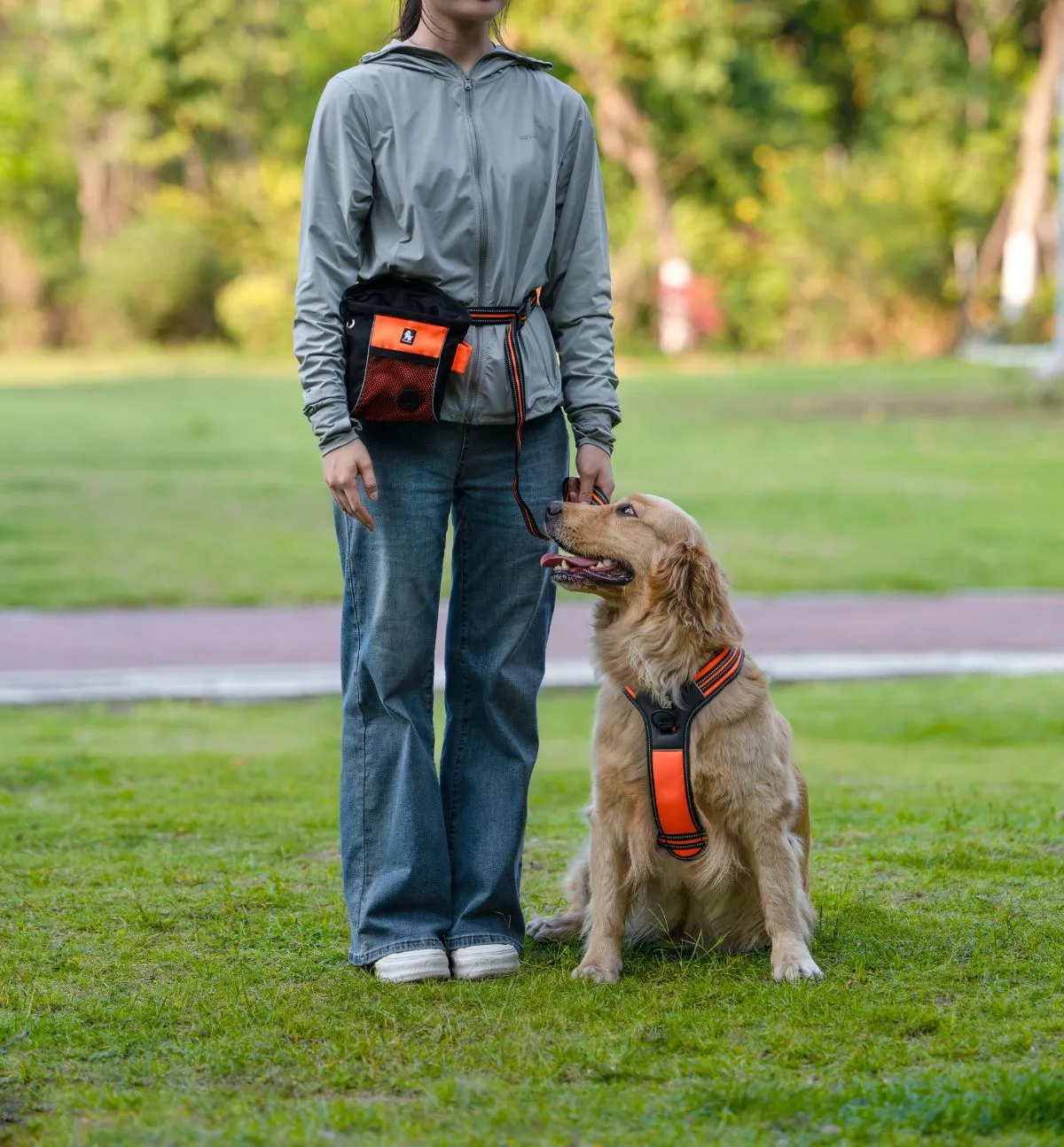
If just looking at a cat makes your eyes water, the canine department is your safest haven at an animal rescue. Shelters constantly need dedicated volunteers to keep their dogs active and mentally stimulated. By focusing strictly on canine care, you can make a massive impact on animal welfare while completely bypassing the cat wards.
View KONG Classic Dog Toy on AmazonDog walking is a fantastic way to minimize your exposure to indoor allergens. You can often head straight from the parking lot to the outdoor kennels or play yards.
Before you start, it is wise to review what to wear to animal shelter volunteer orientation to ensure you have the right gear. For example, a Hands-Free Dog Leash with Dual Handles is perfect for outdoor excursions in all weather conditions.
Beyond physical exercise, mental stimulation is absolutely crucial for dogs waiting for their future guardians.
You can dedicate your volunteer shifts to preparing puzzle toys, freezing peanut butter Kongs, or crafting snuffle mats. These enrichment activities significantly reduce kennel stress and prevent behavioral decline in rescued dogs.
Giving a shelter dog an hour of your time gives them a lifetime of hope.
When selecting your duties, simply ask the volunteer coordinator where the enrichment preparation area is located. Some facilities prep dog toys in a shared kitchen space near the cat rooms, which could expose you to lingering dander. Requesting an outdoor prep station or a dog-only wing ensures your allergies remain manageable.
Environmental enrichment is as essential to an animal’s well-being as proper nutrition and veterinary care.
Association of Shelter Veterinarians, ASV Guidelines for Standards of Care
There are several specific roles you can take on to keep you firmly in the dog zone. Below is a breakdown of popular canine-focused tasks and their risk levels for cat allergy sufferers.
| Canine Volunteer Role | Impact on Animal Welfare | Cat Allergen Risk |
|---|---|---|
| Outdoor Dog Walking | Provides vital physical exercise and reinforces positive leash training. | ❌ Very Low |
| Playgroup Supervision | Encourages healthy socialization and monitors body language among dogs. | ❌ Very Low |
| Enrichment Prep | Delivers mental stimulation that prevents anxiety in the kennel environment. | ✅ Moderate (Depends heavily on room location) |
| Canine Bathing | Helps dogs feel comfortable and look their best for potential adoption. | ❌ Very Low |
Remember to communicate your allergies clearly to the shelter staff on your first day. They are highly experienced in accommodating different volunteer needs and will gladly help you design a routine that keeps you safe and healthy.
Your dedication to the dogs will be deeply appreciated by both the staff and the animals. Every hour you spend volunteering makes a meaningful difference in their lives.
Canine Volunteering Strategies for Cat Allergy Sufferers
- Prioritize outdoor dog walking and playgroup supervision to drastically minimize your exposure to indoor cat allergens.
- Prepare mental enrichment items like puzzle toys and frozen Kongs to help reduce kennel stress for rescued dogs.
- Always verify the location of enrichment prep stations to avoid shared kitchen spaces that might harbor lingering cat dander.
- Communicate closely with the volunteer coordinator to secure dog-only workspaces and safe routes through the shelter.
📢 Association of Shelter Veterinarians
National
Veterinary Association: An organization dedicated to advancing the practice of shelter medicine and setting standards for animal care.
- Published the ASV Guidelines for Standards of Care
- Promotes environmental enrichment for sheltered animals
- Standardizes veterinary protocols across shelters
2. Handle Outdoor Facility Maintenance and Landscaping

If indoor dander triggers your allergies, stepping outside offers a brilliant alternative. Animal shelters rely heavily on dedicated individuals to maintain their exterior grounds. This vital work keeps the facility functioning smoothly while allowing you to breathe fresh air far away from enclosed cat rooms.
Most rescue organizations operate on tight budgets, prioritizing animal care over property upkeep. Volunteering for exterior tasks frees up staff to focus entirely on rehabilitation. Ultimately, your physical labor directly contributes to a safer environment for every animal on the property.
Creating Safe and Stimulating Play Spaces
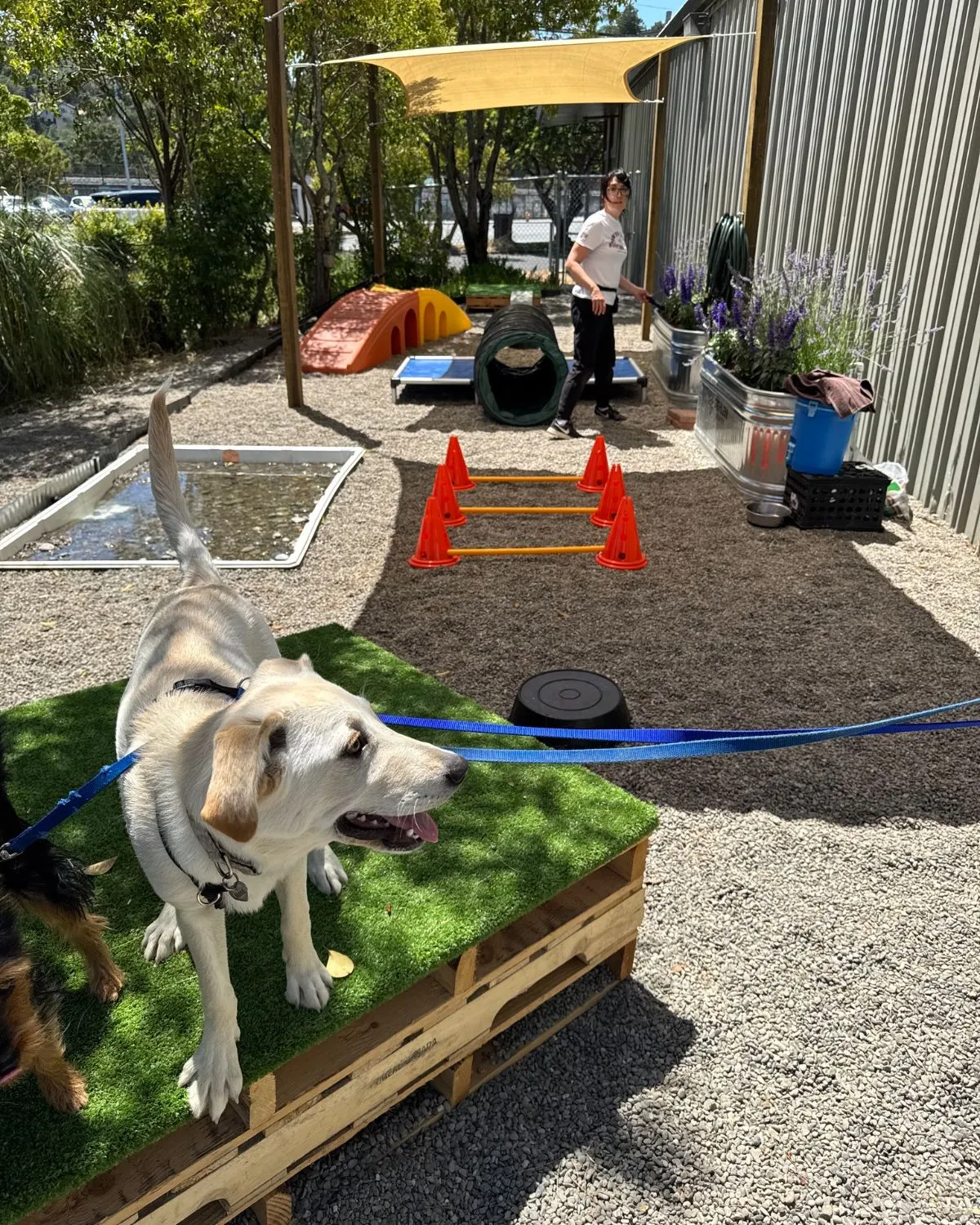
Outdoor play yards are essential sanctuaries for animals awaiting adoption. These areas must be kept incredibly secure to ensure dogs can exercise safely without the risk of escaping.
Volunteers routinely check fence lines for vulnerabilities, fill in holes dug by energetic pups, and remove hazardous debris.
A well-kept yard prevents injuries and drastically reduces anxiety for shelter animals. It provides a clean, enriching environment where dogs can decompress from the intense stress of kennel life.
Spending time in nature allows them to engage in normal animal behaviors. This stimulation is a crucial step in their behavioral rehabilitation.
Environmental enrichment, including access to safe and well-maintained outdoor spaces, is essential for reducing shelter stress and allowing animals to express natural behaviors.
Dr. Pamela Reid, ASPCA Anti-Cruelty Behavior Team
Routine Landscaping and Sanitation Tasks
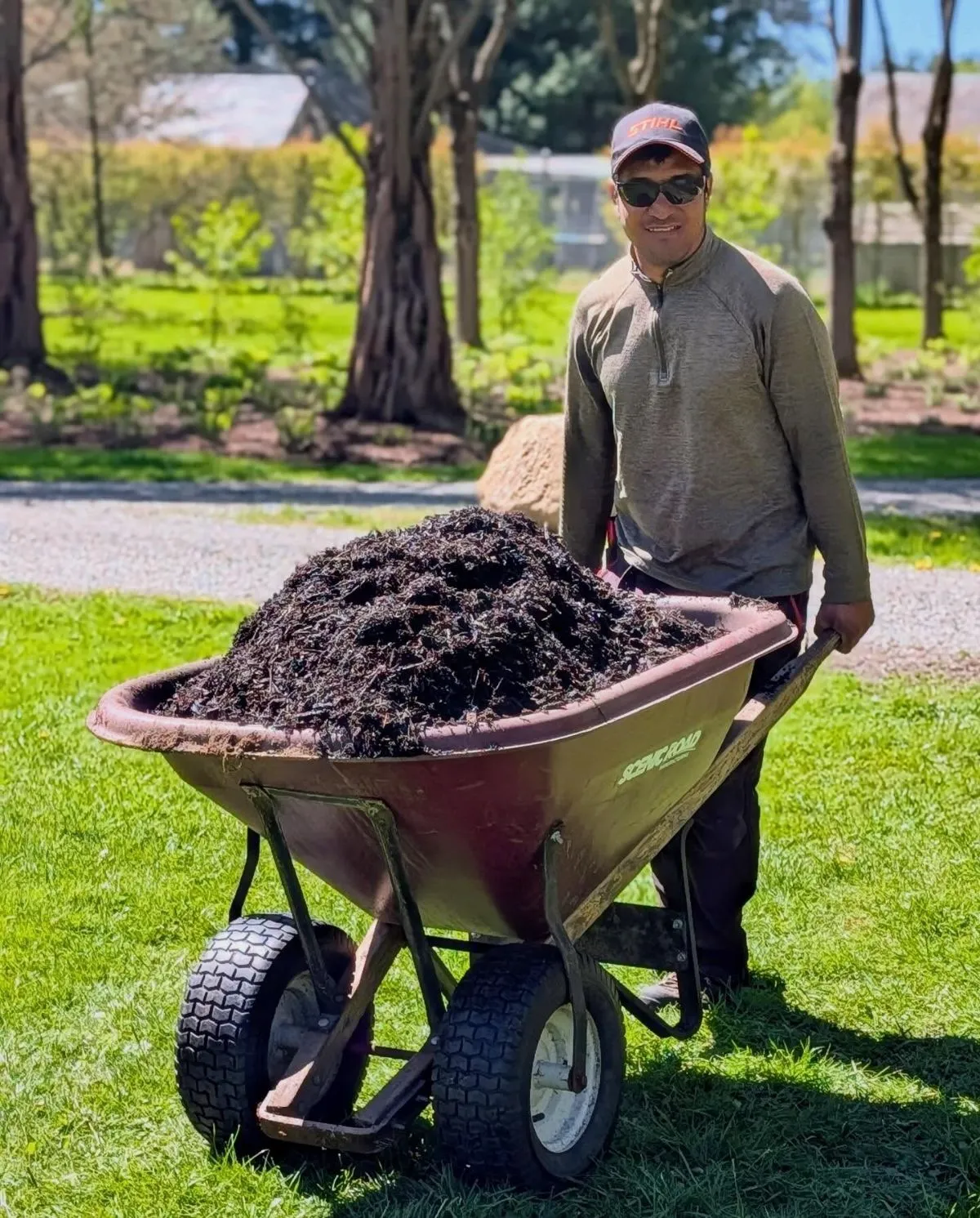
Shelter landscaping goes far beyond basic aesthetics. Overgrown weeds can harbor ticks and fleas, which pose severe health risks to vulnerable rescue animals.
Keeping the grass mowed and the bushes trimmed is a critical component of preventative animal healthcare.
You might find yourself raking leaves, spreading fresh gravel, or sanitizing heavy outdoor water bowls. These chores are highly physical but deeply rewarding for those wanting to help behind the scenes.
If you are unsure about proper gear for this type of physical work, reviewing what to wear to an animal shelter volunteer orientation can help you choose the right protective clothing.
What exactly does an outdoor maintenance volunteer do? Here are common landscaping duties needed at most rescue facilities:
- Mowing lawns and weed-whacking along fence perimeters to eliminate parasite breeding grounds.
- Raking up debris and removing dead branches that could cause injury during dog playgroups.
- Spreading fresh mulch, sand, or gravel in play yards to maintain sanitary, easily washable footing.
- Repairing damaged gates, latches, and digging barriers to ensure absolute habitat protection.
- Planting dog-safe greenery to create a calming sensory garden for reactive or fearful animals.
Maintaining a shelter’s outdoor space isn’t just about landscaping; it is about building a safe foundation where rescue animals can heal, play, and thrive.
Facility maintenance is a highly flexible volunteer role that requires zero direct animal handling. This makes it an ideal option for anyone managing severe pet allergies. It is also an excellent group activity.
Some community programs organize large-scale cleanup days for local shelters. If you are part of a corporate volunteer group or completing court-ordered community service, outdoor landscaping is a frequently assigned and deeply appreciated task.
Green Thumbs for Furry Friends: The Impact of Outdoor Maintenance
- Outdoor upkeep is a perfect, allergy-friendly volunteer alternative that keeps you away from indoor dander.
- Securing fences and clearing hazards creates enriching play yards that help shelter dogs decompress from kennel stress.
- Routine landscaping prevents tick and flea infestations, acting as a crucial component of preventative animal healthcare.
- By handling exterior property maintenance, volunteers free up shelter staff to focus entirely on animal rehabilitation.
Perimeter Check
Inspecting fence lines for holes or gate damage.
This prevents accidental escapes.
Parasite Control
Mowing lawns and weed-whacking along borders.
Eliminates breeding grounds for ticks and fleas.
Habitat Sanitization
Cleaning outdoor bowls and replacing worn mulch or gravel.
Ensures a sanitary and washable surface.
Sensory Planting
Installing dog-safe greenery and sensory gardens.
Reduces stress for reactive or fearful dogs.

Meet Denver #8!
Denver is a handsome chocolate Labrador Retriever who has the perfect mix of playful energy and calm relaxation.
Adopt Me3. Sign Up for Animal Transportation and Supply Runs
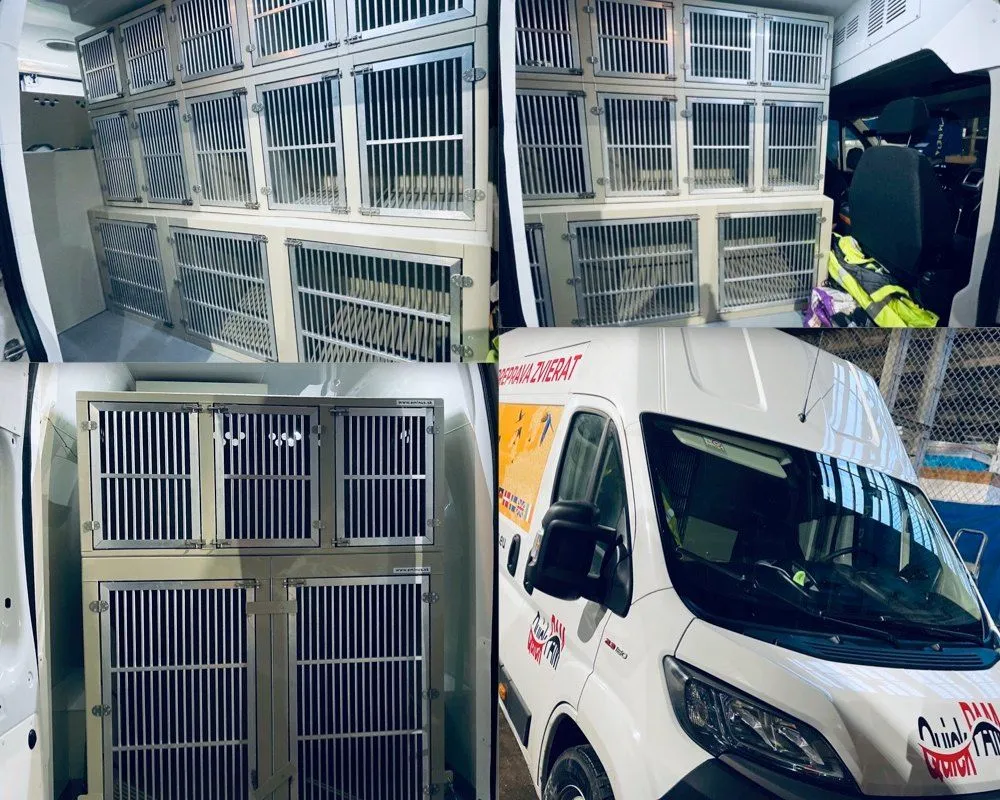
If feline dander inside the facility makes your eyes water and your throat itch, you can still play a vital role in animal welfare. Hitting the road as a volunteer driver keeps you away from high-dander areas while providing a direct lifeline for shelter animals in need.
Shelters constantly require reliable people to handle transportation logistics.
Driving for a rescue organization allows you to control your environment. You can keep your vehicle clean, roll down the windows for fresh air, and strictly limit your exposure to cats.
This role is highly flexible and gets animals one step closer to their forever guardians.
🚁 ASPCA
Relocated 200,000+ animals
National NGO: A leading national organization focused on preventing animal cruelty and managing large-scale rescue logistics.
- Manages the Animal Relocation Initiative
- Maintains an Anti-Cruelty Behavior Team
- Facilitates transfers from high-intake to high-adoption areas
Become a Pet Transporter
Animal transportation is a major logistical challenge for busy rescue groups. Highly adoptable dogs often need rides from overcrowded municipal facilities to specialized foster-based rescues across state lines.
Volunteers form critical relay teams to drive these animals in manageable legs of a larger journey.
By volunteering specifically to transport dogs or small animals, you can completely avoid the shelter’s cat rooms. You might also be asked to drive injured or sick animals to off-site veterinary appointments for specialized care. In some regions, you may even help relay native species to wildlife rehabilitators, which you can learn more about by understanding local wildlife protocols.
It is important to learn what happens when shelters take in injured wildlife.
Keep your furry friend entertained and mentally stimulated with the AWOOF Dog Snuffle Mat.
Safety and ethical guidelines are paramount when moving animals. You must use secure, crash-tested crates to prevent escapes and minimize stress during transit.
Keeping the radio low and maintaining a comfortable temperature helps soothe an anxious dog. Speaking softly also provides comforting reassurance during a chaotic transition.
Volunteering to drive shelter animals proves that you do not need to be inside a building to help save a life.
Initial Pickup
Volunteer collects the animal from an overcrowded municipal facility.
Ensure a secure, crash-tested crate is ready.
Relay Leg
Driving a specific distance or ‘leg’ of the transport route.
Control the climate and keep noise levels low.
Relay Handover
Meeting the next volunteer driver at a pre-arranged safe location.
Minimize stress during the transition.
Final Destination
Animal arrives at a specialized rescue or foster home.
This increases the chance of immediate adoption.
Managing Supply Runs and Donation Pickups
If even brief exposure to a dog that has been near cats triggers your allergies, supply runs are the perfect alternative.
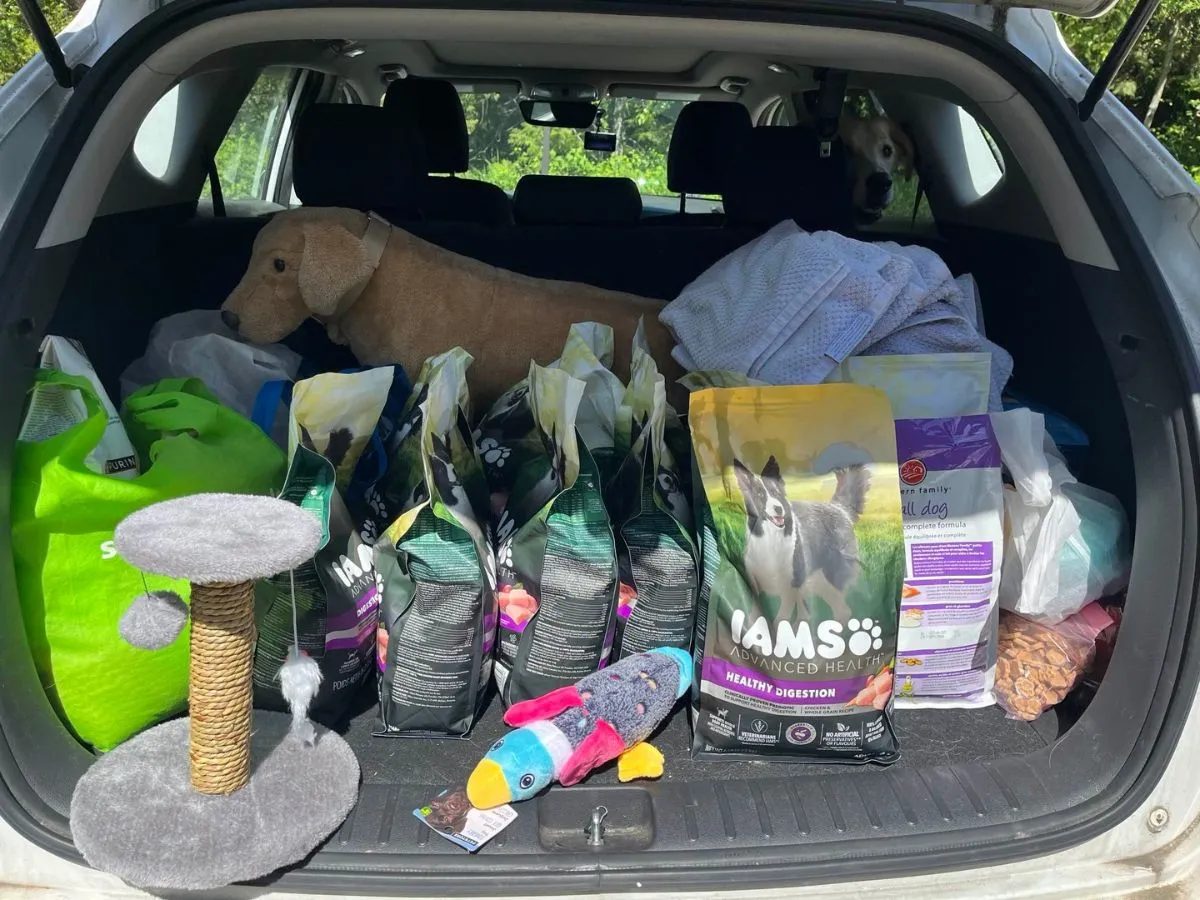
Shelters constantly need basic necessities like food, clean towels, cleaning solutions, and office supplies. You can volunteer to be the designated driver who picks up these donations from local community drop-off points.
Local businesses, schools, and grocery stores frequently host donation drives for animal sanctuaries. Collecting these items requires zero direct contact with animals, ensuring a completely dander-free volunteering experience. You can drop the supplies off at the shelter loading dock without ever setting foot inside the animal holding areas.
Relocation is a crucial tool in the animal welfare field, helping to move animals from areas of overpopulation to areas where they have a higher chance of adoption.
Matt Bershadker, ASPCA Animal Relocation Initiative
To ensure a safe and successful transport run, animal rescue coordinators recommend following a few key protocols. These simple rules protect both the animals and their volunteer drivers.
- Verify Secure Containment: Always double check that transport crates are properly locked and secured to the vehicle seats to prevent shifting during sudden stops.
- Prepare a Cleaning Kit: Keep paper towels, pet safe disinfectant, and garbage bags in your trunk for unexpected messes during the journey.
- Map Out Vet Clinics: For longer distance rescue relays, know the locations of emergency veterinary hospitals along your route just in case an animal experiences medical distress.
- Never Leave Animals Unattended: Temperatures inside a vehicle can fluctuate rapidly, so never leave a dog alone in the car during bathroom breaks or gas stops.
Your willingness to handle road logistics allows shelter staff to remain on-site, focusing entirely on the daily care of the animals. This is an incredibly impactful way to advocate for animal welfare while respecting your own health boundaries.
Hit the Road: Allergy-Friendly Driving and Supply Roles
- Chauffeur dogs and other animals to rescues or vet appointments to avoid high-dander shelter environments.
- Control your exposure by keeping your vehicle clean and well-ventilated while safely transporting animals in secure crates.
- Collect essential supplies and donations from local businesses for a completely dander-free volunteering experience.
4. Volunteer at Off-Site Adoption and Fundraising Events
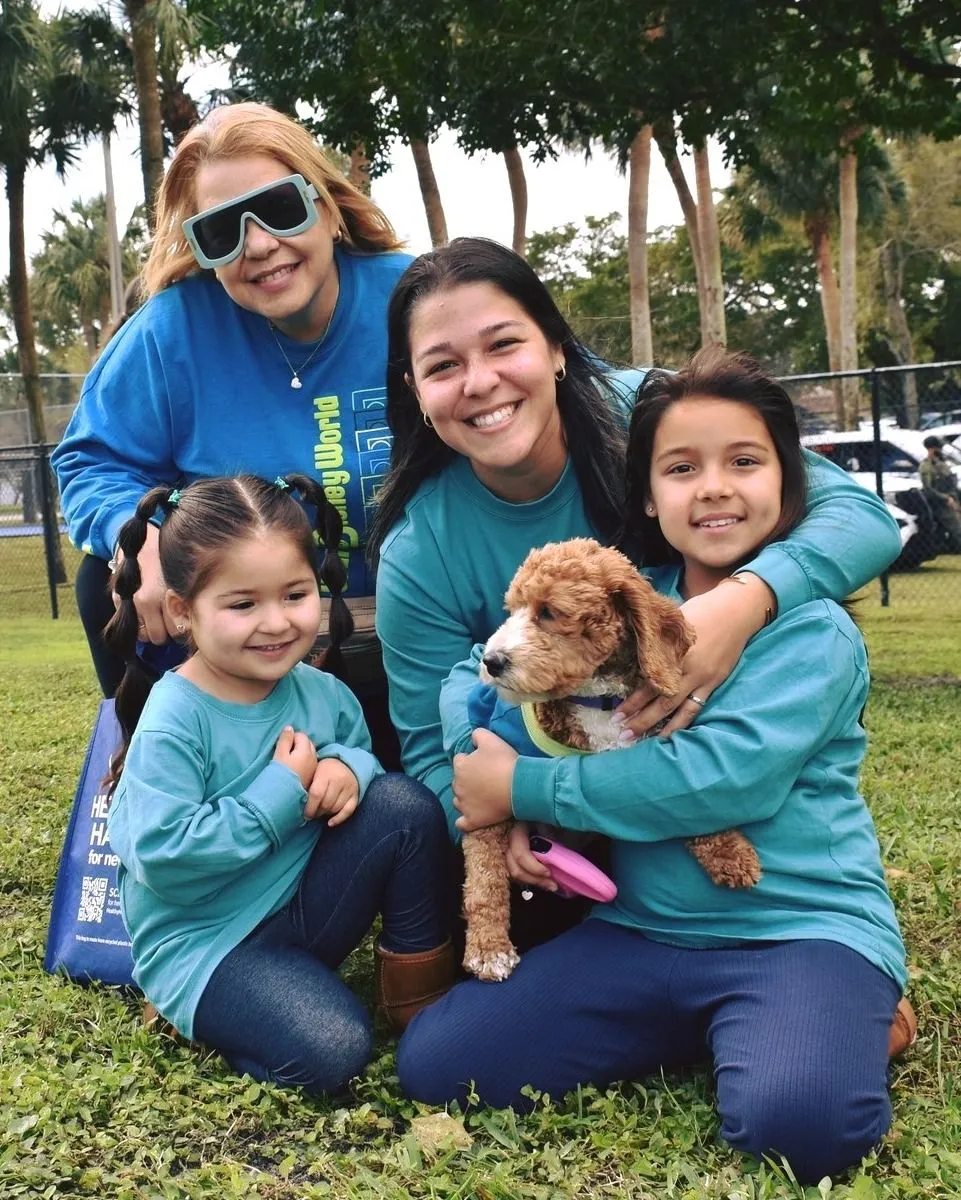
If stepping into a building filled with feline dander triggers your allergies, you can simply take your advocacy outdoors.
Many rescue organizations regularly host off-site adoption events at local parks, farmers markets, and pet supply stores. These events completely bypass the enclosed spaces of a traditional animal care facility.
Participating in off-site events is a strategic way to support animal welfare without compromising your health. Since these gatherings usually focus exclusively on dogs, you will not have to worry about accidental exposure to cats. Open-air environments also naturally disperse lingering allergens, providing a much safer atmosphere for sensitive individuals.
Dog-Specific Showcases and Adoption Drives
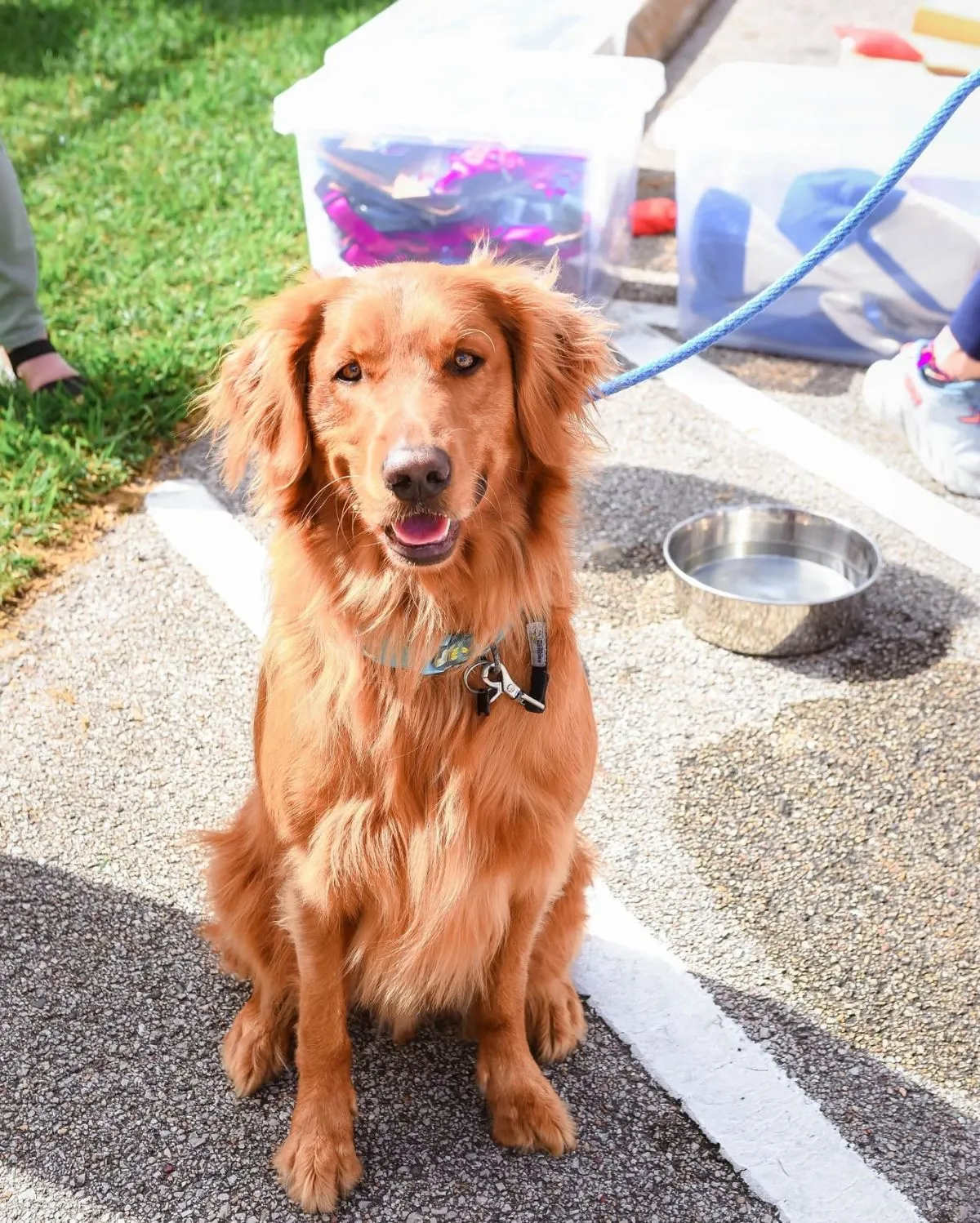
Rescue dogs often struggle to show their true personalities in loud, stressful kennel environments. Outdoor showcases allow them to relax, breathe fresh air, and interact with potential adopters in a natural setting. Your presence helps keep these dogs calm and engaged while providing much-needed mental stimulation.
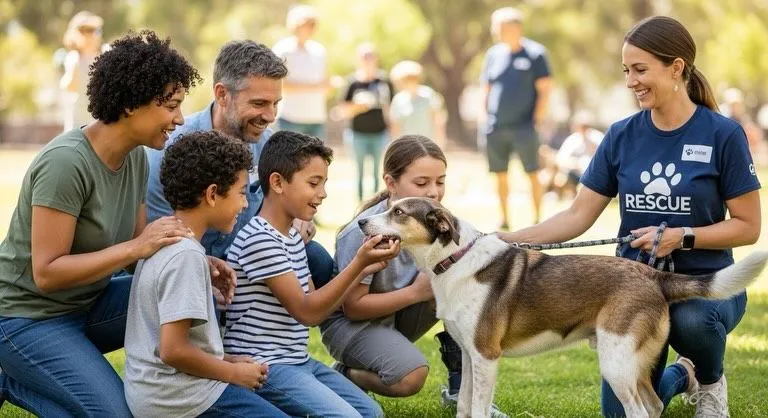
Volunteering at these drives involves a variety of crucial responsibilities. You might be asked to handle a specific dog, monitor animal behavior for signs of stress, or answer questions about the adoption process. It is a highly rewarding way to directly influence an animal’s journey to a permanent home.
- Dog Handler: Responsibly walking and managing a specific rescue dog while closely reading their body language for stress signals.
- Event Ambassador: Engaging with the public, answering questions about the organization, and matching potential guardians with compatible animals.
- Logistics Coordinator: Managing the setup and breakdown of the event space. This is a perfect role for an animal shelter volunteer with social anxiety who prefers quiet and behind-the-scenes work.
- Supply Transporter: Safely driving essential supplies, crates, and informational materials from the main facility to the outdoor venue.
Community adoption events are crucial because they bring the animals to where the people are, breaking down barriers and increasing visibility for pets in need.
Best Friends Animal Society, Fostering and Adopting Resources
Always prioritize safety and ethics during public animal encounters. Be sure to follow all coordinator protocols regarding leash handling and public interactions.
Keeping a safe distance from unfamiliar dogs protects everyone. Encouraging the public to approach calmly will keep the environment safe for both the animals and your community.
Fundraising and Community Outreach
Not all off-site events involve direct animal handling. Non-profit organizations heavily rely on fundraising events to keep their daily rescue operations running smoothly.
These vital initiatives range from charity 5K runs and bake sales to silent auctions held at local community centers.
By stepping into a fundraising role, you become a powerful advocate for local pets and wildlife without ever setting foot in a shelter. You can help gather donations, sell merchandise, or educate the public about habitat preservation and sustainable pet care.
Advocacy knows no boundaries. You can change an animal’s life from the heart of your community, far away from the shelter walls.
The impact of community outreach cannot be overstated. The funds you help raise go directly toward providing critical veterinary care and expanding foster programs.
These resources save vulnerable animals from neglect and abuse. Every dollar collected ensures that ethical rescue operations can continue to thrive.
Benefits and Roles of Off-Site Event Volunteering
- Ideal for individuals with allergies as open-air, dog-specific events bypass indoor dander and circulate fresh air.
- Creates a lower-stress environment for rescue animals to relax and show potential adopters their true personalities.
- Accommodates various comfort levels with diverse roles, from active dog handling and public outreach to quiet behind-the-scenes logistics.
- Expands the reach of animal rescues by bringing adoptable pets directly into public community spaces.
5. Assist with Laundry and Food Preparation in Cat-Free Zones
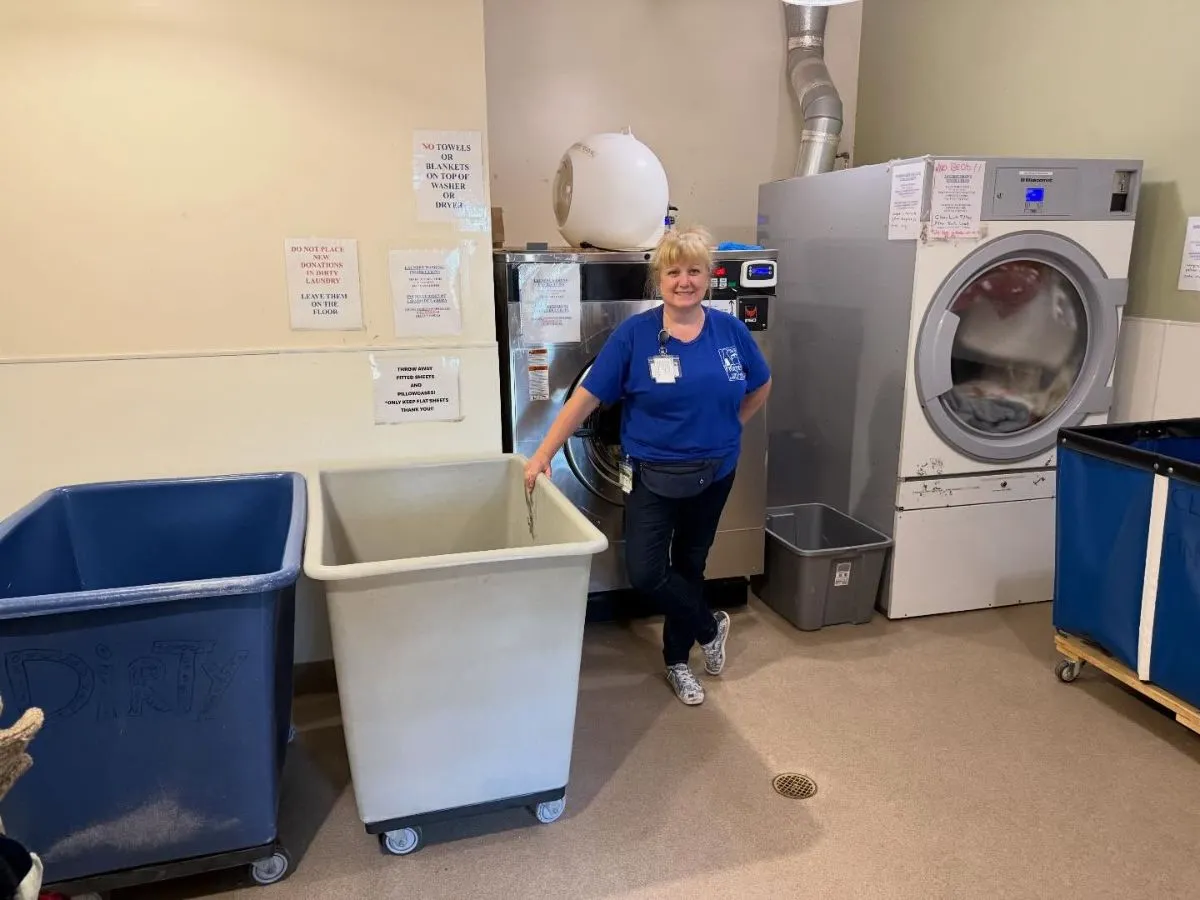
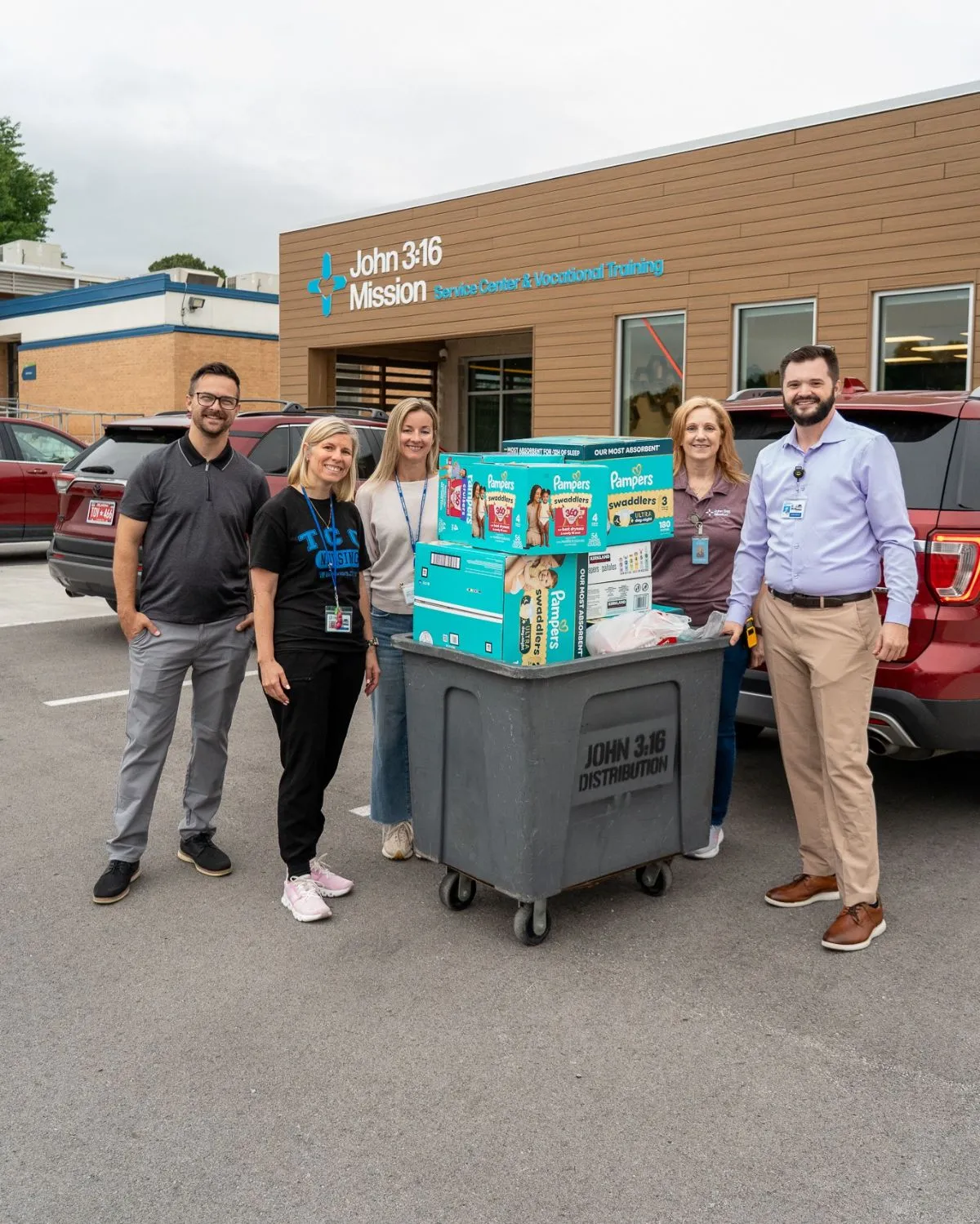
Every rescue operation relies heavily on behind-the-scenes logistics to keep animals healthy and comfortable. The volume of dirty blankets, surgical towels, and food bowls generated daily can quickly overwhelm even the most dedicated shelter staff.
Stepping in to manage laundry and food preparation is a highly impactful way to contribute to the cause. This essential work allows volunteers to support the rescue’s mission without ever needing to enter a feline housing area.
These essential duties are usually confined to dedicated utility rooms or kitchens. Because cats are typically housed in their own separate wards to minimize their stress, these utility areas often remain completely cat-free zones.
This physical separation provides a safe haven for volunteers with allergies.
For individuals who prefer working independently, these background tasks are also a perfect fit. They allow you to contribute meaningfully without the pressure of constant interaction.
If you are an animal shelter volunteer with social anxiety, folding warm towels and preparing daily meal portions provide a peaceful, highly rewarding routine. These quiet tasks ensure the animals are well cared for while giving you space to focus on your work.
- Managing Laundry Flow: Loading, transferring, and folding mountains of blankets to ensure every shelter resident has a soft, warm bed.
- Sanitizing Supplies: Washing and thoroughly disinfecting stainless steel food bowls to prevent the spread of shelter illnesses.
- Dietary Preparation: Measuring specific kibble diets and preparing enrichment items, like frozen peanut butter toys, for the canine wards.
- Inventory Organization: Sorting donated supplies and keeping the utility zones spotless for the medical and behavioral staff.
Providing clean bedding and preparing meals are silent acts of love that keep an animal rescue functioning.
Managing your allergens in these communal spaces is relatively straightforward. While you will not be interacting directly with cats, you should still practice good hygiene to protect yourself from lingering dander on mixed laundry.
Dander can easily travel on unwashed fabrics brought in from the cat adoption floors. Taking extra precautions helps ensure that your experience remains comfortable and reaction-free.
A comfortable, clean, and appropriate resting place is essential for the physical and mental well-being of all confined animals.
Dr. Kate Hurley, UC Davis Koret Shelter Medicine Program
Always wash your hands thoroughly after handling unwashed linens or used food bowls. This simple step is vital for maintaining hygiene.
Some volunteers choose to wear a basic face mask while sorting dirty laundry. Doing so helps them avoid breathing in dust or allergens that might become airborne during the process.
You can also ask the volunteer coordinator if it is possible to wash the dog bedding separately from the cat bedding. This simple step helps keep the laundry process organized.
Taking these small, practical precautions ensures you can continue advocating for animal welfare safely and comfortably. You will be providing critical, ongoing support to the shelter.
Behind-the-Scenes: High-Impact, Cat-Free Roles
- Essential utility tasks like laundry and food preparation typically occur in dedicated, cat-free zones, keeping allergic volunteers safe.
- These independent routines are highly rewarding and serve as an ideal environment for volunteers with social anxiety.
- To manage indirect allergen exposure, volunteers should wash their hands frequently and consider wearing a mask when handling unsorted laundry.
Your Compassion Is Stronger Than Your Allergies
Every animal shelter is a complex, beautiful ecosystem relying on diverse talents and big hearts.
If you are allergic to cats, please do not let that single obstacle deter you from stepping through those rescue doors.
There is a tremendous need for passionate advocates in areas completely isolated from feline dander.
Whether you are leading a high-energy dog through an agility course, repairing kennels, or beautifying the outdoor play yards, your time is invaluable.
Rescue work truly takes a village, and there is a perfect role waiting for you that prioritizes both your health and the animals’ well-being.
Reach out to your local shelter today, communicate your allergy needs clearly, and start making a life-changing impact.
Shelter Volunteering with Allergies: Your Questions Answered
Yes, absolutely! Many shelters have completely separate buildings for dogs and cats, or they offer off-site volunteer opportunities.
You can help with transport or event planning. Alternatively, you might consider fostering animals that do not trigger your allergies.
If you know you will be entering a shared lobby or mixed-species facility, consulting your allergist and taking preventative medication can provide an extra layer of comfort.
However, you should always prioritize roles that minimize your exposure in the first place.
Yes. Rescues desperately need help with social media management, grant writing, answering phone calls, and coordinating adoption events.
These roles are critical to saving lives. They can often be done from a dander-free office or even from your own home.
There is a small risk of secondary exposure if you share break rooms or prep areas with cat-focused volunteers. To stay safe, maintain open communication with the volunteer coordinator.
This will ensure you have designated, dander-free zones during your shift.