

Table of Contents
- 1. Strict Tracking and Documentation of Your Hours
- 2. Assignment to Labor-Intensive Cleaning Tasks
- 3. Limited Direct Interaction with the Animals
- 4. Zero Tolerance for Lateness or Unprofessional Behavior
- 5. Specific Offense Restrictions and Background Checks
- Turning a Requirement Into a Rescue Journey
- Frequently Asked Questions: Navigating Your Mandated Shelter Shifts
Stepping into an animal shelter for court-ordered community service is more than a legal obligation. It is an invitation into the beating heart of animal welfare. Every day, these sanctuaries take in vulnerable animals, from abandoned pets to injured wildlife, each requiring meticulous care and profound empathy.
While the circumstances that brought you here may be complicated, the path ahead offers a transformative opportunity to restore dignity to lives that have been overlooked.
You can expect your time here to be both physically demanding and emotionally illuminating. You will learn the critical protocols of habitat sanitation, dietary preparation, and low-stress handling techniques that keep both you and the residents safe.
Scrubbing every enclosure and preparing every meal directly reduce the stress levels of recovering creatures, facilitating their rehabilitation and ultimate survival. Approaching these tasks with precision and respect for each species ensures a professional environment where true healing can occur.
By dedicating your hours to these resilient animals, you become an active partner in a vital conservation effort. Your labor supports the frontline workers who defend the voiceless. Ultimately, every positive action ripples outward to strengthen our shared ecosystem.
Embrace this experience with an open mind, because in helping these animals rebuild their lives, you might just find a renewed sense of purpose and connection to the natural world.
The Service Blueprint: Essential Takeaways
- Meticulous Hour-Tracking: Treat your time-logging with absolute professionalism, as every accurately recorded minute represents vital support provided to shelter animals.
- Authorized Daily Verification: Secure official sign-offs from authorized shelter managers at the end of every shift, and safeguard your progress by taking backup digital photos.
- Structured and Essential Service: Understand that court-mandated roles demand strict schedule adherence and focus on the crucial cleaning and maintenance tasks that keep the facility running safely.
1. Strict Tracking and Documentation of Your Hours
When completing mandated community service at an animal sanctuary, meticulous record-keeping is non-negotiable. Since shelter coordinators handle dozens of volunteers daily, you are solely responsible for ensuring your hours are accurately logged.
View Heavy Duty Storage Clipboard on AmazonTreat this documentation process with the exact same seriousness as a formal employment contract.
Most facilities use a dedicated sign-in sheet located at the front desk or volunteer center. Modern shelters may instead use digital kiosks, which require a unique identification number to log your hours.
Always make sure to log your arrival and departure times accurately. If you forget to clock in or out, those hours will likely not count toward your court-ordered total.
It is also crucial to arrive prepared and on time for your scheduled shifts. Review our guide on what to wear to animal shelter volunteer orientation to ensure you meet all safety requirements before your clock starts.
Being turned away for not wearing proper slip-resistant work shoes means losing valuable hours.
The Importance of Authorized Signatures
Courts require verifiable proof of your completed hours to satisfy your legal obligations. This usually means a designated staff member must physically sign or digitally approve your timesheet at the end of every shift. This task typically falls to the lead volunteer coordinator or the shelter manager.
View Waterproof Document Envelopes on AmazonDo not ask entry-level volunteers or fellow community service workers to verify your time. Falsifying records or obtaining unauthorized signatures can result in immediate termination from the animal welfare program. To maintain flawless records, follow these standard shelter protocols:
- Always bring your paperwork: Keep your court-issued timesheet in a waterproof folder and bring it to every single shift.
- Obtain daily signatures: Ask the authorized coordinator to sign off before you leave the building for the day.
- Make backup copies: Take a clear photo of your timesheet after every shift to protect against loss, spills, or damage.
In animal rescue, consistency is just as vital as compassion. Accurate documentation ensures you meet your legal goals while providing reliable support for the animals.
What you do makes a difference, and you have to decide what kind of difference you want to make.
Dr. Jane Goodall, The Jane Goodall Institute
📢 The Jane Goodall Institute
Global
Global NGO: A global organization focused on community-centered conservation and the protection of chimpanzees Endangered.
- Founded by world-renowned primatologist Dr. Jane Goodall
- Pioneers community-led conservation efforts worldwide
- Advocates for animal welfare and environmental protection
Arrival
Log in via digital kiosk or sign-in sheet at the front desk.
Use your unique identification number.
Throughout Shift
Keep court-issued paperwork in a waterproof folder.
Protect records from moisture and damage.
End of Shift
Obtain physical signature from the coordinator or manager.
Do not ask entry-level volunteers for verification.
Post-Shift
Capture a digital photo of the signed paperwork.
This serves as an essential backup in case the physical log is lost.
Court-Ordered vs. Traditional Volunteer Tracking
While standard shelter volunteers often enjoy flexible schedules, court-mandated service comes with highly rigid expectations. Understanding the difference between these roles will help you avoid miscommunications with the animal rescue staff. Shelters rely on mandated workers to complete essential, structured cleaning and maintenance tasks.
Because your presence is legally mandated, the facility expects strict adherence to your schedule commitments. Please review the comparison below to understand how your responsibilities differ from those of a standard volunteer.
| Requirement | Court-Ordered Service | Standard Volunteer |
|---|---|---|
| Strict Hour Tracking | ✅ Mandatory | ✅ Encouraged |
| Official Court Signatures | ✅ Required Daily | ❌ Not Required |
| Flexible Arrival Times | ❌ No (Strict Shifts) | ✅ Yes (Generally) |
| Task Refusal Allowed | ❌ No | ✅ Yes (Within reason) |
Mastering Your Service Hour Tracking
- Take full ownership of logging your hours using the shelter’s physical or digital check-in systems.
- Only obtain signatures from authorized personnel, like the volunteer coordinator or shelter manager.
- Create digital backups of your timesheets by photographing them after every shift to prevent data loss.
- Arrive dressed appropriately to avoid being turned away and losing scheduled service hours.
2. Assignment to Labor-Intensive Cleaning Tasks
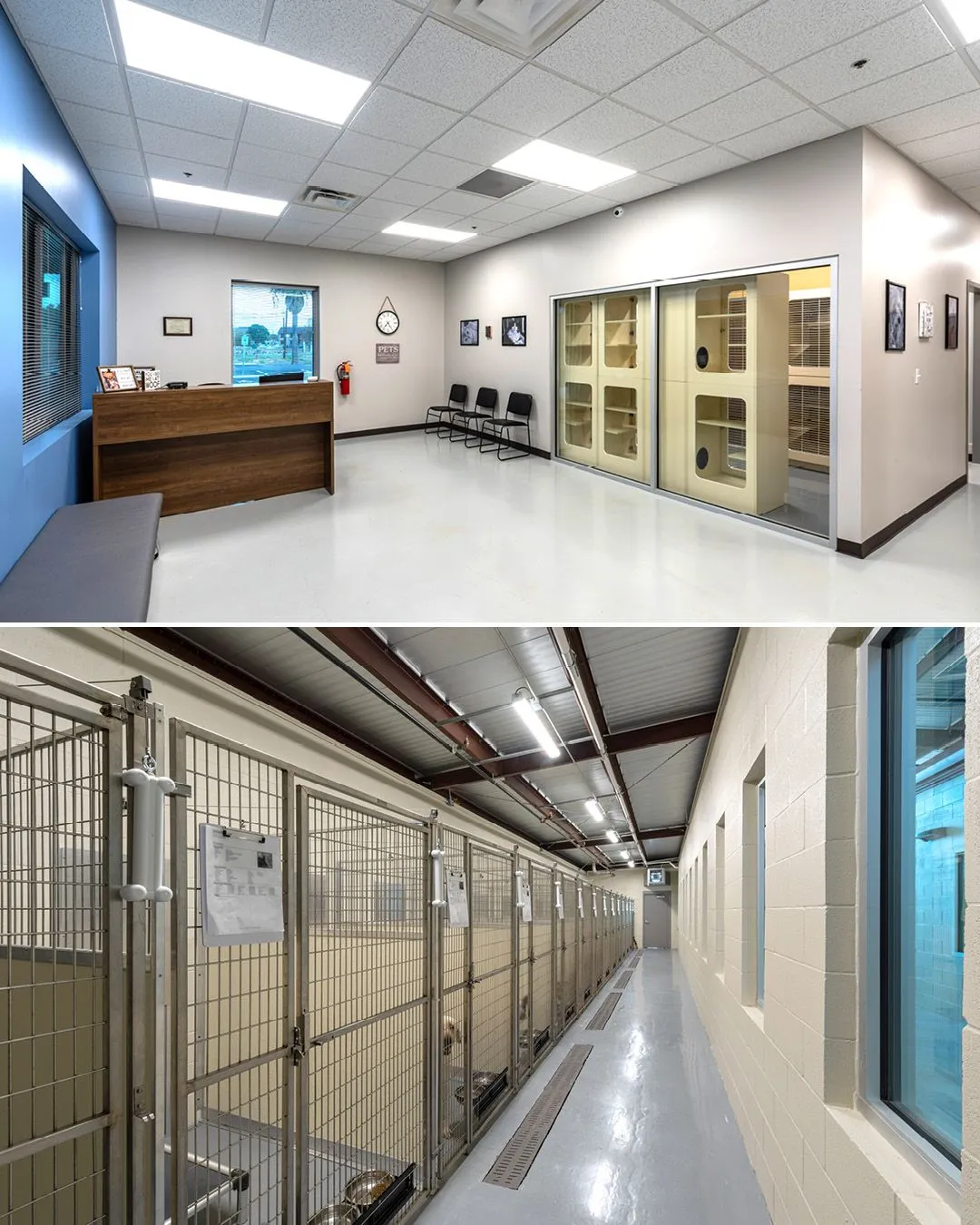
When completing court-ordered community service at an animal rescue, expect to be assigned to the most physically demanding tasks. Direct interaction with the animals is usually strictly limited or prohibited due to liability and safety concerns.
Instead, your primary responsibility will be maintaining the sanitation of the facility.
While scrubbing floors might seem disconnected from animal welfare, these labor-intensive cleaning tasks are the literal foundation of a healthy sanctuary. Without meticulous daily disinfection, highly contagious illnesses like parvovirus or feline upper respiratory infections can devastate the vulnerable populations housed inside.
Every clean dish and folded towel directly impacts an animal’s recovery journey and prepares the animal for a future guardian.
Sanitation is not just a chore in an animal shelter; it is a life-saving medical intervention that protects the most vulnerable.
The Reality of Shelter Sanitation Operations

The daily atmosphere inside a busy animal shelter is loud, humid, and constantly in motion. You will immediately notice the strong scent of enzymatic cleaners mixing with the chorus of energetic dogs anticipating their morning routines. Your shift will typically involve constant movement, requiring stamina and a willingness to handle unpleasant messes.
Because these environments are highly active and frequently wet, proper attire is absolutely essential for your personal safety. Water-resistant clothing, closed-toe, non-slip shoes, and clothes you do not mind ruining are mandatory.
Before your first shift, please make sure you are fully prepared. Review our what to wear to animal shelter volunteer orientation essential safety guide for a detailed breakdown of appropriate clothing.
Typical community service assignments include a rotating schedule of vital housekeeping duties. You should prepare yourself for the following tasks:
- Kennel and Enclosure Scrubbing: Removing waste, hosing down concrete runs, and applying specific disinfectants to ensure a sterile environment for incoming strays.
- Laundry Operations: Managing an endless cycle of soiled bedding, surgical towels, and fleece blankets that keep recovering animals warm and comfortable.
- Dishwashing Stations: Scrubbing hundreds of stainless steel food and water bowls, often utilizing industrial-sized sinks and heavy-duty sanitizing solutions.
- Groundskeeping and Maintenance: Sweeping public walkways, emptying heavy trash receptacles, and organizing donated supplies in the facility storage rooms.
Sanitation is essential for disease prevention and the maintenance of animal health and welfare in shelters. Facility cleanliness directly impacts the physical and psychological well-being of the animals.
Association of Shelter Veterinarians (ASV), Guidelines for Standards of Care in Animal Shelters
🩺 Association of Shelter Veterinarians (ASV)
National
Professional Association: This is the leading professional organization for veterinarians working in animal shelters and animal welfare.
- Authors of the Guidelines for Standards of Care in Animal Shelters
- Sets national benchmarks for shelter medicine and animal welfare
- Provides resources for disease prevention in high-density facilities
Preparation
Donning water-resistant clothing and non-slip shoes.
This ensures safety in high-moisture environments.
Active Duties
Executing kennel scrubbing, laundry, and dishwashing rotations.
Sanitation is treated as a medical intervention.
Safety Compliance
Maintaining silence and physical distance during ward rounds.
Doing so respects animal autonomy and reduces stress levels.
Safety and Ethical Conduct Around Enclosures
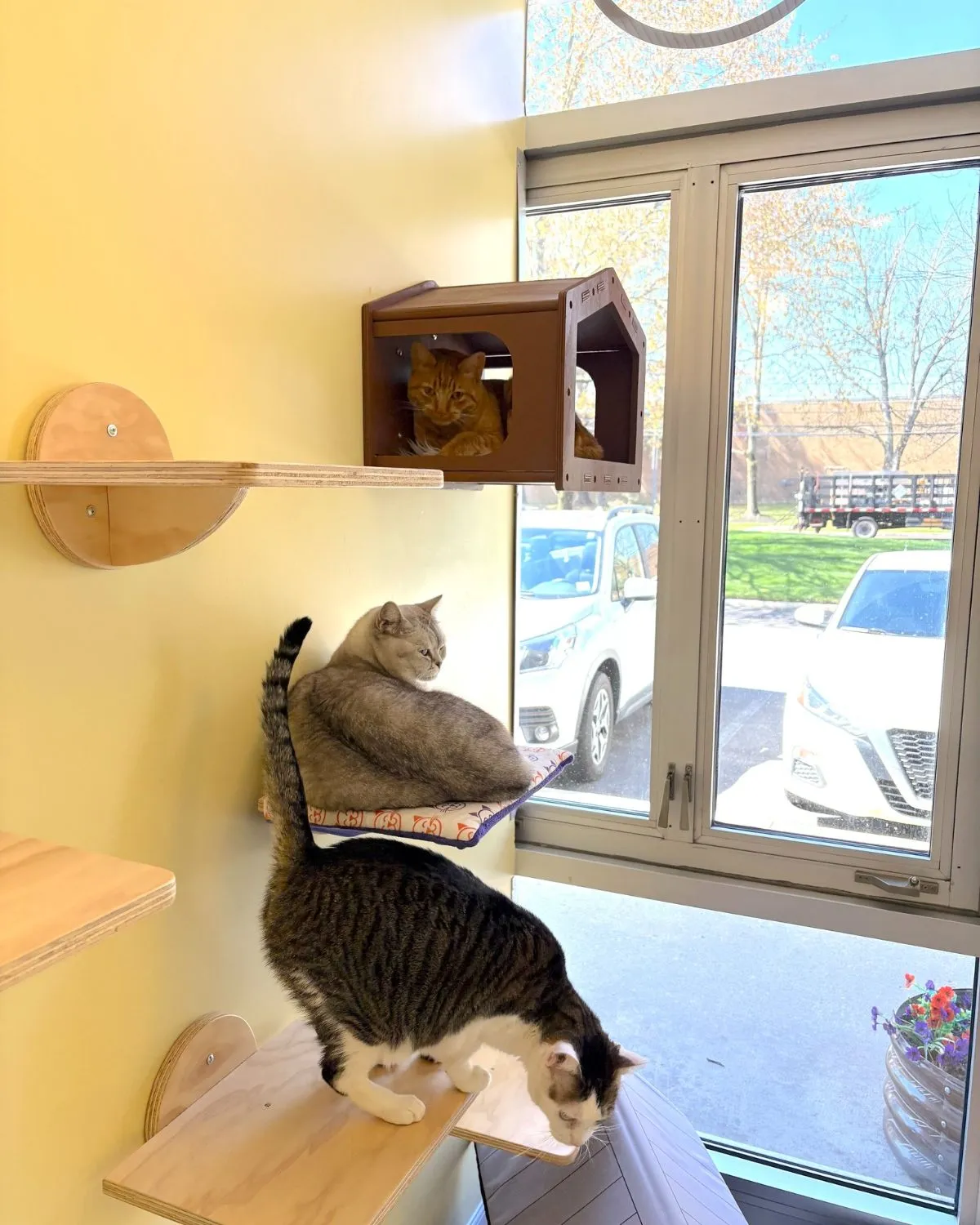
During your cleaning rounds, you will work in close proximity to enclosures housing animals of varying temperaments. Some dogs may excitedly jump at their kennel doors, while timid cats retreat to the back of their freshly sanitized cubbies.
It is imperative that you respect their physical boundaries and animal autonomy at all times.
Shelters enforce strict rules against touching or attempting to comfort the animals while you perform community service tasks. Many of these animals are under immense stress, undergoing behavioral evaluations, or recovering from intense medical procedures.
Unplanned interactions can cause severe anxiety for the animal and pose a significant safety risk to you.
Always move calmly and quietly through the wards to minimize disruption to their resting periods.
If an animal appears distressed or you notice an issue inside their enclosure, do not attempt to intervene yourself. Report the situation immediately to the designated staff member or volunteer coordinator so a trained handler can assist safely.
Sweat and Sanitation: Behind-the-Scenes Shelter Service
- Expect labor-intensive tasks like kennel scrubbing, laundry, and dishwashing rather than direct animal interaction due to safety and liability policies.
- Sanitation is a vital, life-saving measure that prevents the spread of deadly contagions like parvovirus among vulnerable shelter populations.
- The shelter environment is highly active and wet, making durable, slip-resistant, and water-resistant clothing a safety requirement.
- Every chore, from washing bowls to folding blankets, directly supports an animal’s recovery and path to adoption.
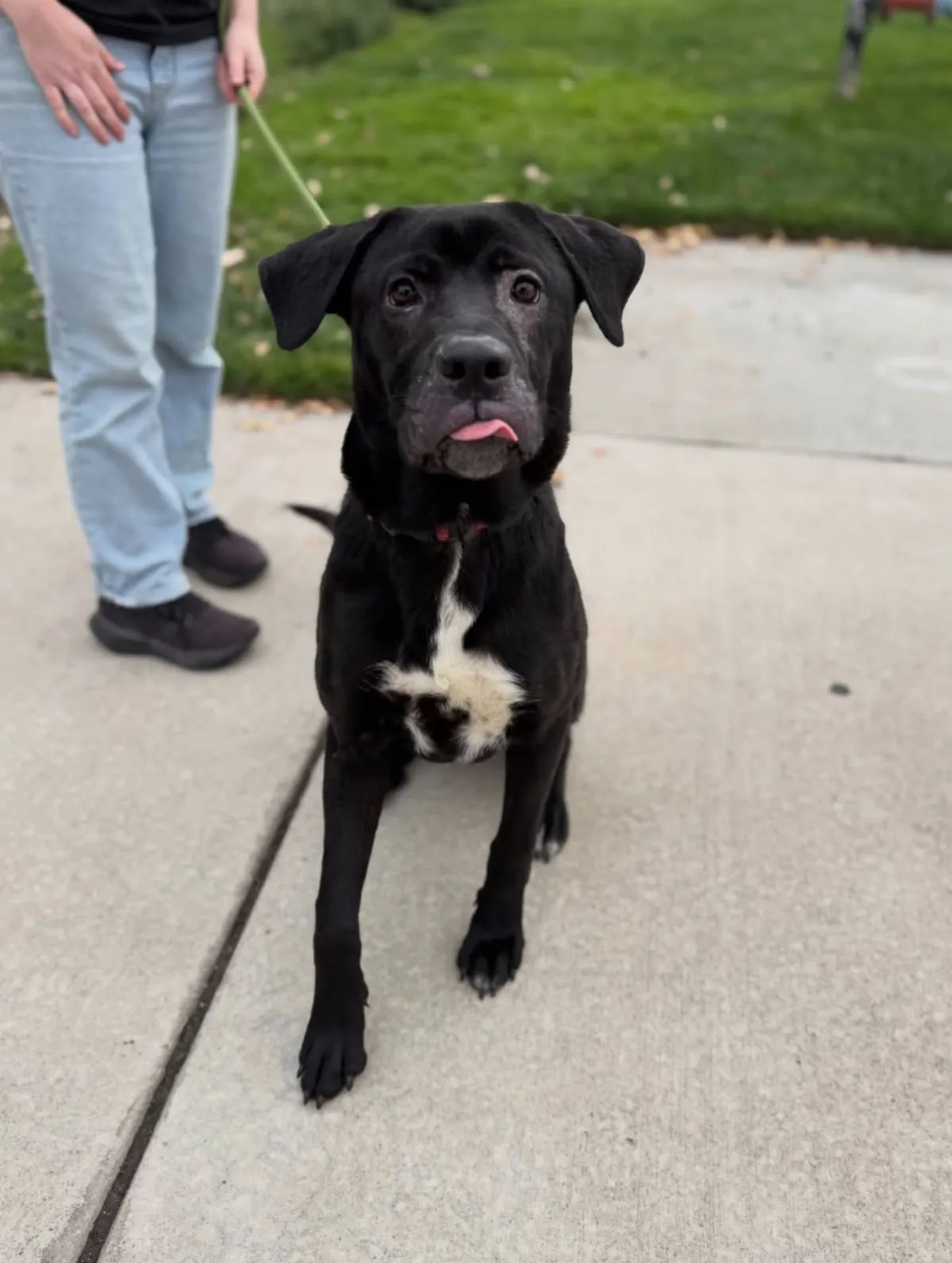
Meet Cinnamon!
Cinnamon is a sweet, fun-loving Australian Cattle Dog mix who enjoys playing in her water tub, running with her brother, and getting lots of treats.
Adopt Me3. Limited Direct Interaction with the Animals

When beginning your court-ordered community service, you might envision spending hours walking dogs or comforting frightened kittens.
However, the reality of these programs involves strictly limited direct interaction with the animals. Animal welfare organizations prioritize safety and structured routines above all else.
Shelter environments are incredibly overwhelming for the vulnerable species temporarily housed there. Loud noises, unfamiliar scents, and constant transitions keep many of these dogs and cats in a heightened state of stress.
To protect both the animals and the public, rescue operations require handlers to undergo weeks of specialized training.
Mandated service programs generally do not provide the time needed to safely train temporary workers in animal behavior and complex handling protocols. Consequently, you will likely not be authorized to open kennel doors, leash dogs, or socialize directly with the residents.
Behind every successful rescue operation is a dedicated team washing bowls, folding laundry, and creating a safe, clean sanctuary for animals in need.
The Vital Impact of Support Tasks

While sweeping floors or washing mountains of dirty laundry might feel disconnected from saving lives, these tasks are the backbone of a functional sanctuary. Every load completed by a community service worker frees up trained behaviorists and medical staff to spend more time directly rehabilitating animals. Ultimately, these support roles ensure the entire facility runs smoothly and efficiently.
Your duties will likely focus on facility maintenance, organizing donation pantries, and deep-cleaning transport carriers. For individuals seeking a less stimulating environment, this hands-off approach is very similar to volunteering as an animal shelter volunteer with social anxiety.
The focus is entirely on creating a serene, hygienic space where animals can safely heal.
Environmental decontamination, or sanitation, is arguably the most important procedure in a shelter to prevent the spread of infectious diseases.
UC Davis Koret Shelter Medicine Program, Sanitation in Animal Shelters
Respecting Boundaries for Animal Safety
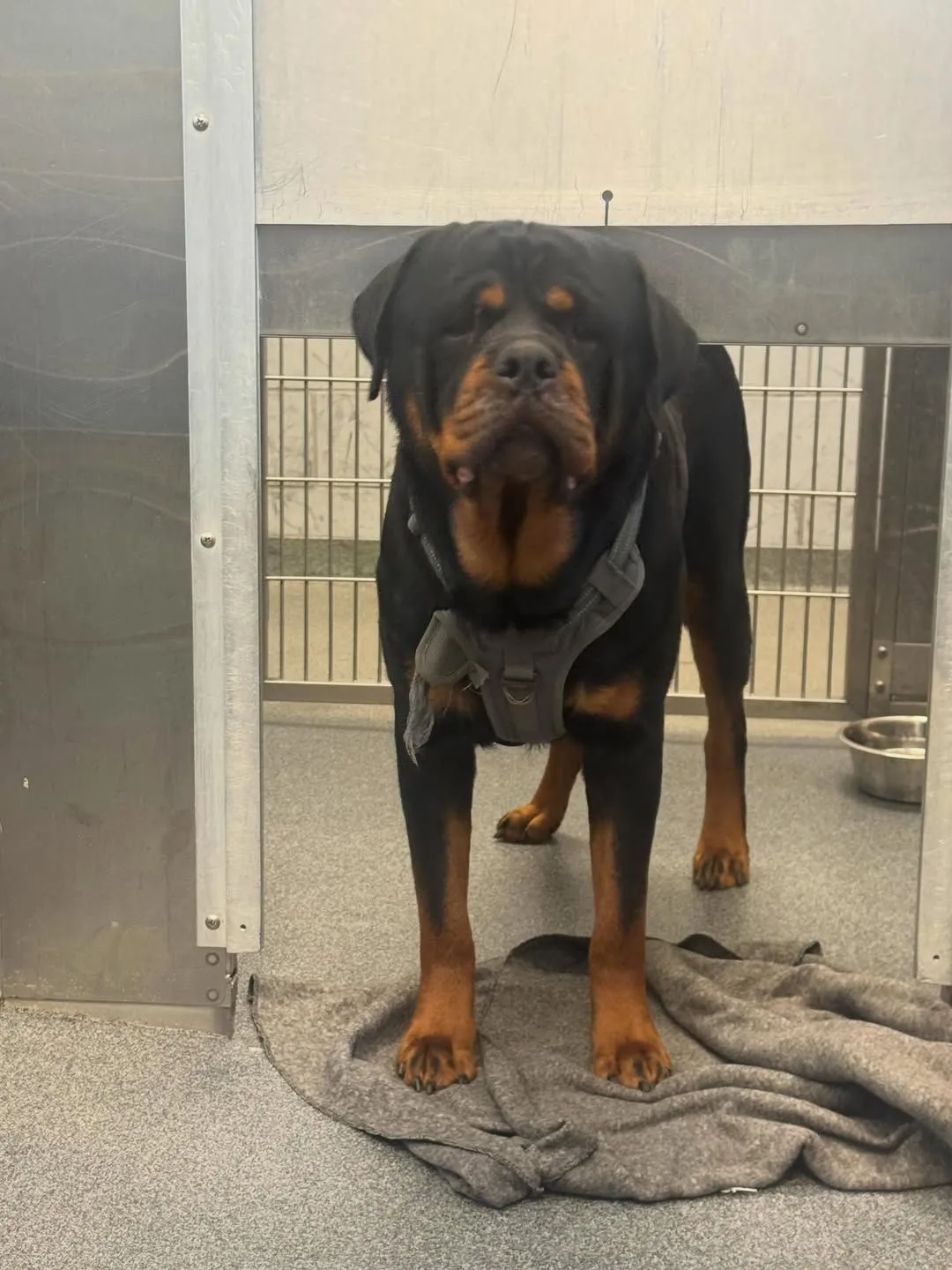
Understanding the boundary between operational support and direct animal care is crucial for a successful community service experience. Attempting to pet a dog through a kennel fence or reaching into a cat enclosure without permission violates essential ethical guidelines.
These seemingly harmless actions can trigger severe anxiety or undo weeks of careful behavioral rehabilitation.
Always respect the physical boundaries set by the shelter directors and resident veterinary staff. Even without physical contact, your presence and hard work actively improve the daily lives of these vulnerable animals.
By maintaining a pristine habitat, you play a direct role in preventing disease. This essential care helps prepare them for a joyful future with a loving guardian.
Behind-the-Scenes: The Reality of Shelter Service
- Direct contact with shelter animals is strictly limited due to safety protocols, animal stress, and the need for extensive behavioral training.
- Essential support tasks like laundry and sanitation are critical, freeing up specialized staff to focus on direct animal rehabilitation.
- Rigorous facility cleaning and decontamination are vital to preventing the spread of infectious diseases among vulnerable animals.
- Respecting operational boundaries and avoiding unauthorized animal contact is crucial for maintaining a safe and low-stress environment.
4. Zero Tolerance for Lateness or Unprofessional Behavior
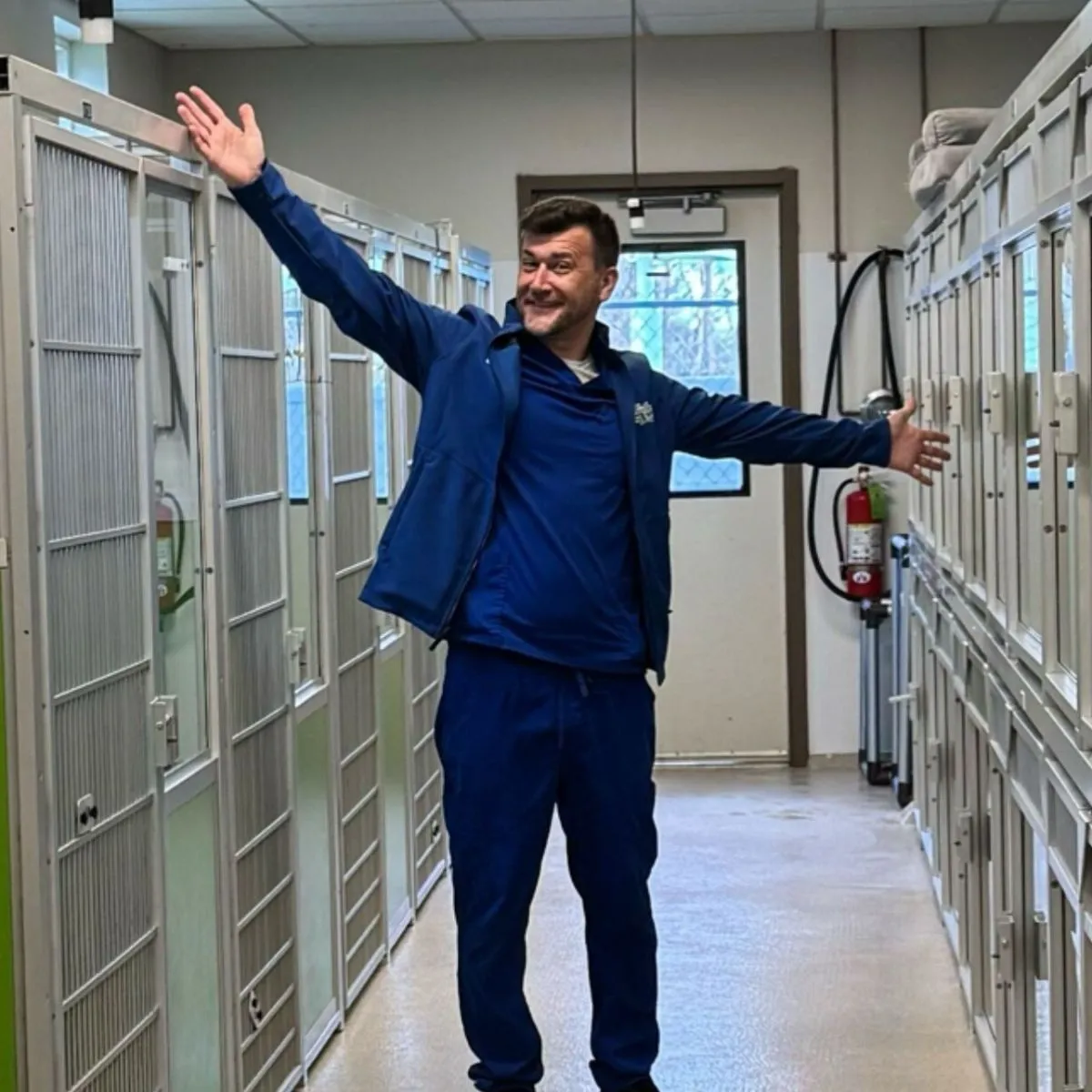
An animal rescue operation functions like clockwork to ensure the safety and health of every resident. Vulnerable shelter animals rely heavily on predictable routines to feel secure in an unfamiliar environment. When these daily schedules are disrupted, it directly impacts the welfare of the animals in care.
Shelter supervisors manage incredibly tight timelines for feeding, administering medications, and sanitizing enclosures. If you arrive late for your court-ordered community service, it creates a negative ripple effect across the entire facility. Staff members are forced to pause life-saving duties to track you down or reassign your critical tasks.
Providing a consistent, predictable environment is one of the most effective ways to reduce fear, anxiety, and stress in shelter animals.
Dr. Marty Becker, Fear Free Shelters
Professionalism extends far beyond simply clocking in on time. It requires maintaining a calm demeanor, showing respect to staff, and strictly following all safety protocols.
Loud noises, erratic movements, or ignoring staff instructions can severely frighten timid dogs cowering in their runs or cats recovering from past trauma.
You must always respect animal autonomy. You must also follow staff guidance regarding which enclosures are safe to approach.
Unauthorized handling of animals is a severe safety violation and will result in immediate dismissal. Your focus must remain completely on the tasks assigned to you by the rescue coordinators.
In animal rescue, your punctuality is not just a professional courtesy; it is a critical component of an animal’s daily survival and comfort.
Understanding Court Reporting and Compliance

Shelter directors are legally obligated to report accurate hours and behavioral compliance directly to your court officer. These facilities maintain a zero-tolerance policy for individuals who treat the assignment casually or disrupt the staff.
If you are dismissed for unprofessionalism, the facility will notify the court immediately.
Common behaviors that will get your community service terminated include arriving late, refusing to follow instructions, and showing disrespect to staff.
- Chronic Tardiness: Arriving late consistently or leaving your shift early without explicit permission.
- Cell Phone Distractions: Texting or taking personal calls while performing cleaning duties or navigating sensitive animal areas.
- Protocol Violations: Opening kennel doors, interacting with animals without authorization, or ignoring sanitation guidelines.
- Disrespectful Conduct: Arguing with the rescue staff or displaying a negative attitude toward the assigned work.
If you find the bustling environment of a large rescue operation overwhelming, clear communication is vital. Speak with your supervisor early in your assignment to discuss your concerns.
They can often assign you to quieter tasks like laundry or dishwashing. This shift is highly beneficial if you are an animal shelter volunteer with social anxiety.
Ultimately, treating your court-mandated hours with the utmost seriousness ensures you fulfill your legal requirements while genuinely aiding a worthy cause. Every cleanly washed bowl and strictly followed schedule helps a rescue animal step closer to finding a permanent, loving guardian.
Why Punctuality & Professionalism Matter in Shelter Service
- Predictable routines reduce fear and stress in shelter animals, making your on-time arrival crucial to their well-being.
- Lateness disrupts tight feeding and medication schedules, forcing staff to divert attention from life-saving animal care.
- Safety and professionalism require calm behavior, strict adherence to protocols, and zero unauthorized animal handling.
- Shelters hold a legal duty to report behavioral compliance; non-compliance or dismissal is immediately reported to the court.
5. Specific Offense Restrictions and Background Checks
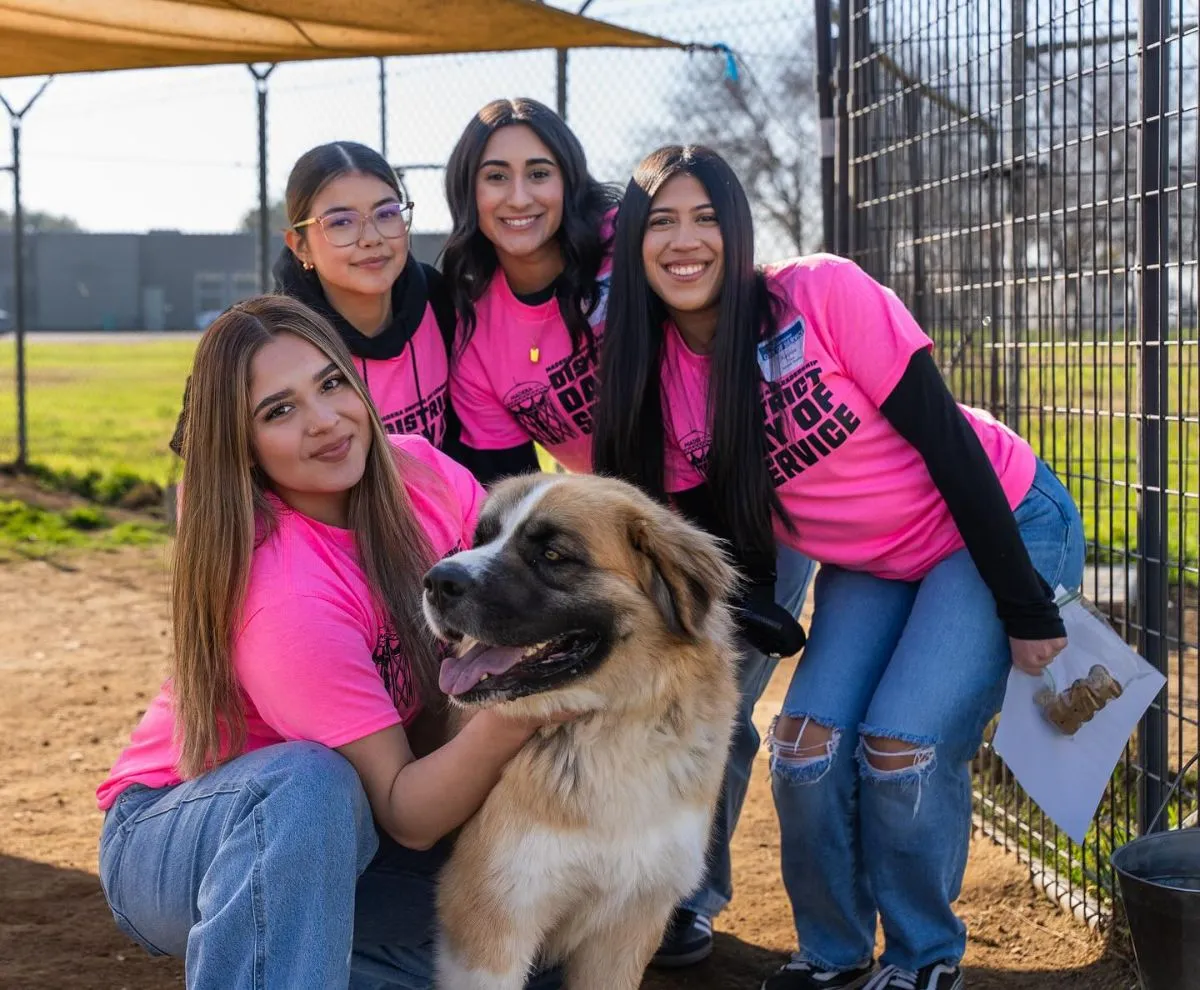
Animal rescue organizations carry a profound responsibility to protect the vulnerable animals in their care. Because of this duty, community service programs at these facilities are not open to everyone. Shelters must maintain strict safety protocols to protect their animals, staff, and visitors.
To ensure a secure environment, almost all facilities require a comprehensive background check before you can begin your hours. This evaluation helps volunteer coordinators determine if your specific charge aligns with their safety guidelines. Understanding these restrictions early can save you time and help you meet your court deadlines efficiently.
The primary goal of sheltering programs must be to provide a safe, humane environment for animals.
ASPCA, Position Statement on Shelter Operations
Shelter environments can be highly unpredictable and stressful. Staff members regularly work with strong, fearful animals, administer controlled medications, and handle sensitive financial donations. Due to these safety and security concerns, certain legal offenses are universal deal breakers for animal welfare organizations.
While policies vary slightly between municipal and private facilities, certain charges typically result in immediate disqualification.
- Animal Cruelty or Neglect: Any history of harming animals is an absolute barrier to entry.
- Violent Crimes: Charges involving assault, battery, or domestic violence pose a direct risk to staff and community members.
- Theft or Burglary: Shelters house valuable veterinary equipment, controlled medications, and public donation funds.
- Sexual Offenses: Organizations frequently host youth groups, school tours, and family adoption events.
- Severe Drug Charges: Due to the presence of regulated veterinary anesthetics, felony drug charges are usually flagged.
Conversely, many shelters gladly welcome individuals seeking to complete hours for non-violent, minor infractions. Community service programs often approve candidates with these backgrounds.
- Traffic Violations: Speeding tickets, reckless driving, or minor vehicular infractions are generally accepted.
- DUI Offenses: Many shelters accept these candidates, provided they have safe and reliable transportation to the facility.
- Minor Public Nuisance: Noise complaints, trespassing, or low-level ordinance violations rarely pose a safety risk.
The Background Check Process
The screening process requires full transparency from the very beginning. You will typically need to submit a formal application and provide court documentation detailing your exact charge.
You must also consent to a criminal background screening. Many facilities require applicants to cover the processing fee for this check, which generally costs a minimal amount.
Depending on the organization’s resources, processing times can range from a few days to several weeks. If you have an approaching court deadline, avoid waiting until the last minute to apply. Being proactive demonstrates your accountability and respect for the busy shelter staff.
Transparency is the first step in earning trust. Honesty on your community service application protects both you and the vulnerable animals relying on the shelter.
The most crucial rule during this stage is to remain completely honest on your paperwork. Attempting to hide a charge will almost certainly result in an automatic rejection once your background check clears. Fortunately, shelter coordinators appreciate candor and are often willing to work with you if your offense falls into a gray area.
Alternative Options for Restricted Offenses
If your specific charge disqualifies you from working inside the facility, you still have options to help animals. Some shelters offer off-site tasks that require neither building access nor direct interaction with the animals. These duties might include picking up trash around the property perimeter, organizing off-site recycling, or maintaining the landscaping.
Additionally, modern rescue organizations increasingly need specialized digital support to boost adoptions. If the court allows non-traditional setups, you might explore remote volunteer opportunities to fulfill your obligations.
Tasks like digital advocacy, writing pet biographies, or coordinating online fundraising campaigns provide massive value to overcrowded rescues.
Always verify with your probation officer or court liaison before switching to an alternative or remote role. You must ensure that digital or off-site hours will officially count toward your mandated community service before you begin.
Shelter Eligibility: Navigating Background Checks & Restrictions
- Comprehensive background checks are standard practice for animal shelters to ensure the safety of animals, staff, and visitors.
- Serious offenses including animal cruelty, violent crimes, theft, sexual offenses, and major drug charges result in immediate disqualification.
- Minor, non-violent offenses such as traffic violations, DUIs, and public nuisances are widely accepted by volunteer coordinators.
- Reviewing eligibility criteria early prevents delays and helps ensure court-ordered deadlines are met.
Turning a Requirement Into a Rescue Journey
Completing court-ordered community service at an animal shelter is a unique opportunity to make a tangible difference. While the strict tracking and rigid schedules may feel overwhelming at first, they are vital for both your legal compliance and the shelter’s daily operations.
Every hour you accurately log is an hour spent supporting animals who desperately need care. Remember to treat your timesheet with the utmost responsibility.
Securing those daily, authorized signatures ensures your hard work is officially recognized by the court. Always keep a backup copy of your records, such as taking a photo, to protect your progress.
Ultimately, your presence helps sustain the incredible work of animal welfare professionals. Approach each shift with compassion, and you might just find that this mandated service transforms into a deeply rewarding experience.
Frequently Asked Questions: Navigating Your Mandated Shelter Shifts
While policies vary by shelter, mandated service often focuses on essential cleaning, laundry, and maintenance tasks. Direct animal handling is usually reserved for specially trained traditional volunteers, but your hard work directly improves the animals’ living conditions.
Unfortunately, undocumented hours typically do not count toward your court mandate. You must treat your sign-in process and timesheet like a strict job requirement. This ensures every minute of your service is legally verified.
No, only designated staff members, such as a volunteer coordinator or shelter manager, are authorized to sign court-mandated timesheets. Obtaining an unauthorized signature can result in termination from the program.
Yes. Because shelters rely on court-mandated workers for structured daily operations, you will be expected to commit to a strict, pre-approved schedule and arrive on time.